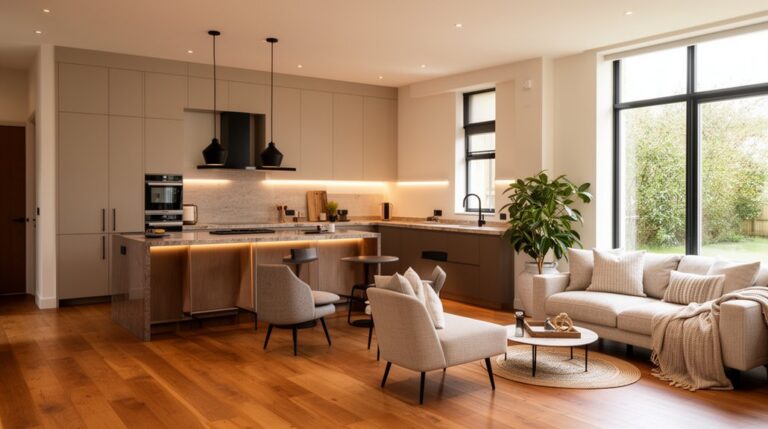
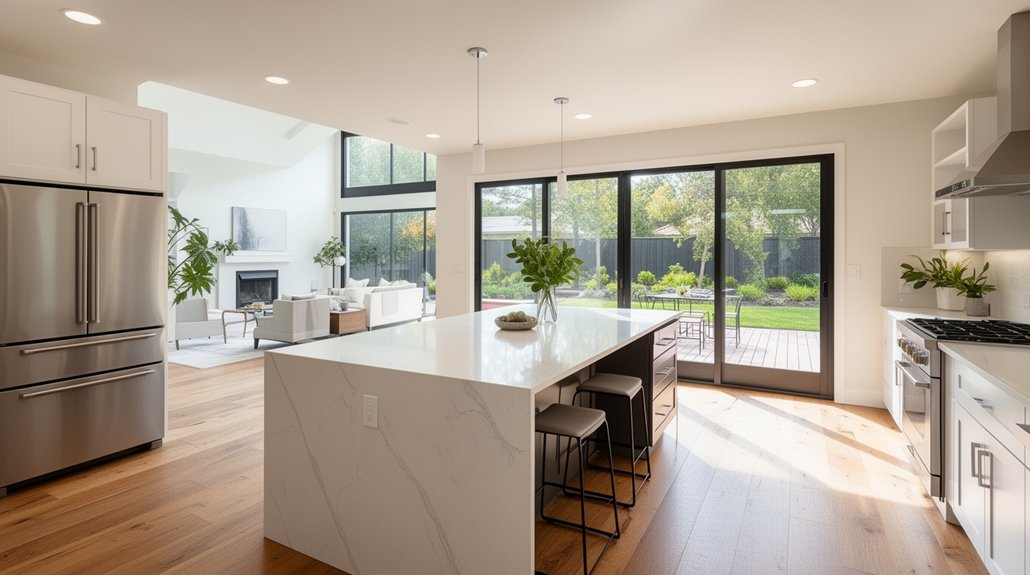
Homes with strong curb appeal can sell for up to 7% more, according to market studies, which means your upgrade choices directly impact your return. You’ll see the best results when you prioritize improvements buyers consistently value—functional kitchens, updated baths, and efficient systems—over personal or trend-driven projects. In a competitive market, every dollar should work harder, but not every upgrade pulls its weight…
Key Takeaways
- Midrange kitchen and bathroom upgrades deliver strong ROI, especially with neutral finishes, modern fixtures, and energy-efficient appliances that appeal to broad buyer demand.
- Curb appeal improvements—landscaping, fresh entryways, and clean exteriors—boost first impressions and help homes stand out in competitive markets.
- Energy-efficient upgrades like smart thermostats, insulation, and high-efficiency HVAC systems attract cost-conscious buyers and can reduce time on market.
- Outdoor living enhancements such as patios or staged garden spaces increase usable square footage and photograph well, raising perceived value.
- Align upgrades with local comparable sales and buyer expectations to avoid overbuilding and ensure improvements translate into higher resale value.
How Buyers Evaluate Home Upgrades
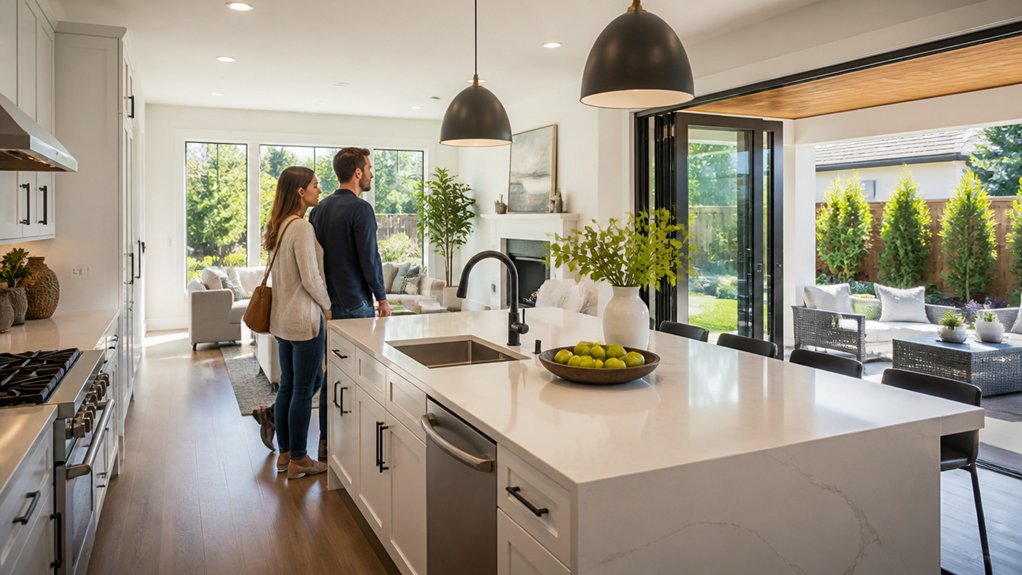
When you’re evaluating home upgrades from a buyer’s perspective, the key question isn’t what you spent—it’s what value they perceive. You track signals buyers trust: comparable sales, days on market, and feature premiums in your area.
Outdoor landscaping boosts curb appeal metrics immediately, shaping first impressions before they step inside.
Inside, smart home technology signals efficiency, security, and modern living, aligning with buyer expectations in competitive segments.
You’re not just adding features; you’re matching what your market rewards. Buyers compare your home against nearby listings, weighing condition, functionality, and lifestyle fit.
If your upgrades feel cohesive and current, you create a sense of belonging that translates into stronger offers and faster closings, reinforcing measurable value in real time, improving perceived return for discerning buyers.
How to Prioritize High-ROI Home Improvements
You should prioritize upgrades by reading your local comps and buyer demand, not personal taste, so your spend aligns with what the market rewards.
Focus on projects with proven cost-to-value ratios—like kitchens, baths, and curb appeal—where you’re likely to recoup a higher percentage at resale.
Balance scope and budget tightly, because overspending past neighborhood norms erodes ROI even if the finish looks premium.
Market-Driven Upgrade Choices
Because resale value tracks buyer demand more than personal taste, the smartest upgrades mirror what your local market already rewards. Study recent comps, days-on-market, and listing photos to spot patterns buyers consistently pay for. If top sales feature luxury landscaping and smart home technology, prioritize those signals over personal preferences.
Align your plan with neighborhood expectations so your home feels like it belongs at the top of the comp set.
Track micro-trends by zip code, not citywide averages, and match finish levels to the median of winning listings. Focus on upgrades that photograph well, show instantly, and reduce buyer friction during tours.
You’re not guessing; you’re following evidence, positioning your property where demand already concentrates and bidding behavior confirms value in your specific segment.
Cost Vs Value Balance
Although every upgrade carries a price tag, only a subset reliably converts into measurable resale gains, so your priority is to invest where return consistently outpaces cost. Focus on improvements with proven recoup rates in your local comps, not personal taste.
You’ll see stronger returns from kitchen refreshes, minor bath updates, and energy-efficient systems than from niche luxury add-ons. Integrate Smart home features buyers expect—security, thermostats, lighting—without overspending on bleeding-edge tech.
Extend value outdoors by enhancing outdoor living spaces that photograph well and expand usable square footage. Benchmark each project against regional cost-versus-value reports, and cap budgets where margins tighten.
When you align upgrades with buyer demand and data, you protect equity and stay competitive in fast-moving markets. That discipline keeps aligned to demand.
Kitchen Upgrades With the Best ROI
What upgrades actually move the needle on resale value in a kitchen? You should prioritize improvements buyers consistently reward with higher offers. Data shows midrange kitchen remodels recoup 60–70 percent, but targeted updates often outperform full overhauls.
Start with cabinetry: refacing or repainting delivers strong returns, especially when paired with smart Storage solutions like pull-outs and vertical organizers.
Upgrade to energy-efficient appliances with Smart home integration; they signal modern living without overspending.
Replace dated countertops with quartz, refresh lighting with layered LEDs, and keep layouts open.
You win by aligning finishes with local comps and price tier expectations. Skip ultra-luxury splurges; consistency sells faster and protects your margin.
Focus on neutral palettes and durable materials that photograph well and appeal to broad buyer pools.
Bathroom Upgrades Buyers Pay More For
When you upgrade your bathroom, you’ll capture higher offers by prioritizing features buyers consistently pay more for. Install luxury shower features and double vanities to boost perceived value and improve daily usability.
This translates into stronger comps. Finish with high-end tile to signal quality and justify premium pricing in competitive markets.
Luxury Shower Features
While bathroom remodels often compete on aesthetics, luxury shower features consistently deliver some of the strongest ROI by aligning with what today’s buyers actively seek: comfort, efficiency, and a spa-like experience at home.
You increase perceived value by installing enclosures, rainfall showerheads, jets, and controls that promise consistency and water efficiency. Buyers in competitive markets reward turnkey bathrooms, often paying premiums of 3–5% for updated showers that signal low maintenance.
Choose neutral tile, large-format slabs, and linear drains to communicate modernity and easy cleaning. Prioritize water-saving certifications to appeal to cost-conscious households without sacrificing pressure.
When you present these upgrades, you position your home within a higher tier, shorten days on market, and attract offers from buyers who want daily luxury without renovation risk.
Double Vanity Installations
Because shared bathrooms create daily friction, installing a double vanity delivers immediate functional value that buyers notice and price in. You position your home with a feature that signals convenience, equity, and modern expectations in competitive listings.
Choose durable vanity materials like quartz tops and solid wood bases to balance longevity and perceived quality without overbuilding. Buyers compare side-by-side comps, so clean layouts, ample storage, and matching sinks reduce objections and speed offers.
Keep installation costs controlled by using existing plumbing lines when possible; that preserves margins and improves your ROI. In mid-tier markets, you’ll often recoup a strong share of spend while differentiating your home within its price band.
A palette ties it together and helps your listing photos convert attention into tours.
High-End Tile Finishes
Although fixtures draw the eye, high-end tile finishes anchor the perceived value of a bathroom and often justify higher list prices in buyer comps. You’ll see stronger appraisal support when you invest in large-format porcelain, precise grout lines, and consistent layouts that photograph well.
Add Marble accents at focal points and subtle mosaic patterns in niches or floors to signal craftsmanship without overcapitalizing. Buyers in your segment expect durability, easy maintenance, and a cohesive palette, so stick to neutral tones with a premium finish.
Data shows updated tile can return 70–90% at resale and shorten days on market. Choose timeless over trendy, and you’ll appeal to the widest pool while protecting your upside. You’ll align with comps and attract buyers who recognize quality instantly.
Curb Appeal Home Improvements That Boost Value
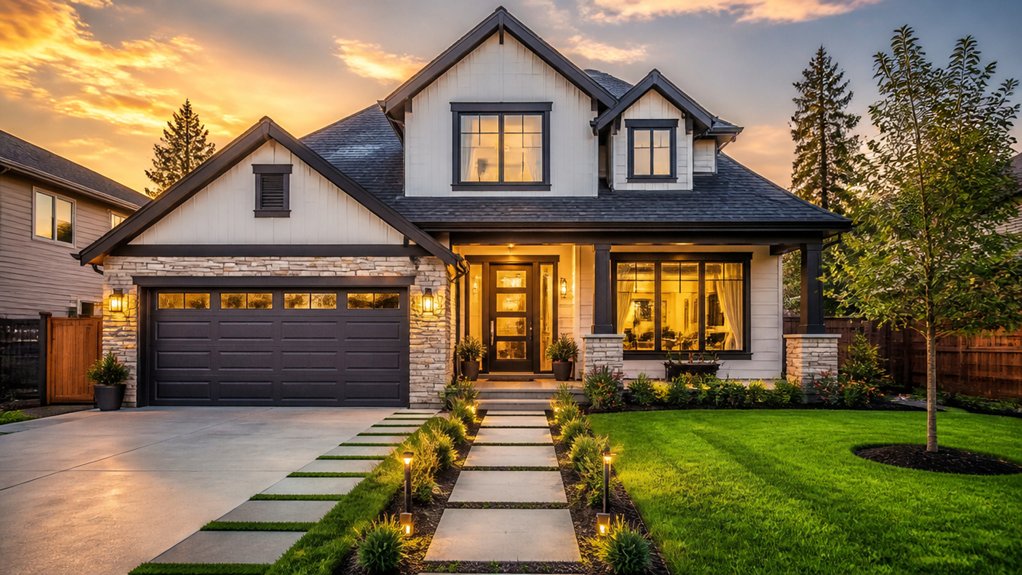
If you want to increase your home’s value without major structural work, start with curb appeal improvements that deliver strong ROI and fast buyer impact. Focus on landscaping trends that signal low maintenance and modern taste, like native plant palettes, clean edging, and layered greenery that photographs well online.
Add exterior lighting to highlight pathways and architectural features, extending perceived livable space and improving nighttime showings.
You’ll also see measurable gains from a fresh front door, updated house numbers, and a power-washed façade. These upgrades reduce days on market and strengthen first impressions, helping your property compete confidently in tight, comparison-driven neighborhoods where buyers decide quickly.
Strategic mailbox upgrades, color accents, and tidy driveways reinforce value and create a cohesive, welcoming streetscape buyers trust.
Energy-Efficient Upgrades That Sell Homes Faster
While buyers compare monthly ownership costs as closely as purchase price, energy-efficient upgrades consistently tip decisions and shorten time on market. You capture demand by lowering utility projections and signaling modern stewardship. Install smart thermostats to demonstrate control and data-backed savings buyers can verify.
Pair high-efficiency HVAC with insulation upgrades to tighten envelopes and stabilize bills. Solar panels further differentiate your listing, converting sunlight into predictable offsets that improve debt-to-income optics. Highlight estimated payback periods, local incentives, and recent comps to anchor value.
You position your home within a community that prioritizes efficiency, resilience, and long-term savings. That alignment attracts serious buyers and compresses days on market. You’ll see stronger offers as perceived risk drops and operating costs become transparent and manageable for buyers.
Home Improvements That Don’t Add Value
Because not every upgrade translates into buyer value, some projects quietly erode your return despite high upfront costs. Over-personalized renovations, niche landscaping trends, and excessive smart home features often fail to align with broad market demand. You might spend heavily, but buyers won’t pay a premium for taste-specific upgrades or complex systems they won’t use.
Data shows returns drop when maintenance costs rise or usability declines. Think luxury lighting, elaborate water features, or fully integrated tech ecosystems that date quickly. In competitive markets, you belong with sellers who prioritize neutral, functional improvements that buyers recognize and trust.
Focus on upgrades with proven demand signals, not fleeting trends. Skip overbuilding; align scope with neighborhood comps to protect resale value and keep your investment competitively positioned.
About the Author