What do we class as thoughtful property upgrades, in the context of things? Like renovating a house on a TV show, you might think bigger is always better, but that’s rarely true in your market. You add real value when you focus on kitchens, bathrooms, and curb appeal that buyers actually notice and trust. Keep your budget tight, choose durable upgrades, and avoid overbuilding for the neighborhood—because the difference between profit and regret often comes down to a few smart decisions.
Key Takeaways
- Focus on high-impact areas like kitchens, bathrooms, and curb appeal to maximize buyer interest and resale value.
- Choose durable, neutral finishes and energy-efficient upgrades that appeal broadly and signal low maintenance.
- Align improvements with neighborhood standards to avoid over-improving beyond what buyers are willing to pay.
- Invest in functional upgrades like lighting, storage, and smart home features that enhance daily convenience.
- Plan upgrades strategically using local market data, balancing costs with expected return to protect profit margins.
Which Property Upgrades Add the Most Value?

Where should you spend to get the strongest return? Focus on upgrades buyers notice immediately and value long term. You want improvements that signal care, efficiency, and modern living without overspending.
Energy-efficient windows, durable flooring, and fresh, neutral finishes help your home feel move-in ready and widely appealing.
Smart technology, like programmable thermostats or security systems, adds convenience buyers expect and can justify a higher price.
Select a few well-chosen Luxury features, such as built-in storage or upgraded lighting, to create a sense of comfort and belonging without pricing yourself out of the market.
Always compare costs against local sales, so your upgrades align with what buyers in your area are willing to pay. This approach keeps your budget tight and your returns predictable.
Focus on Kitchens, Bathrooms, and Curb Appeal
Because buyers form opinions quickly, you’ll get the strongest return by prioritizing kitchens, bathrooms, and curb appeal. Update surfaces, fixtures, and lighting with durable, midrange options that feel current without overspending.
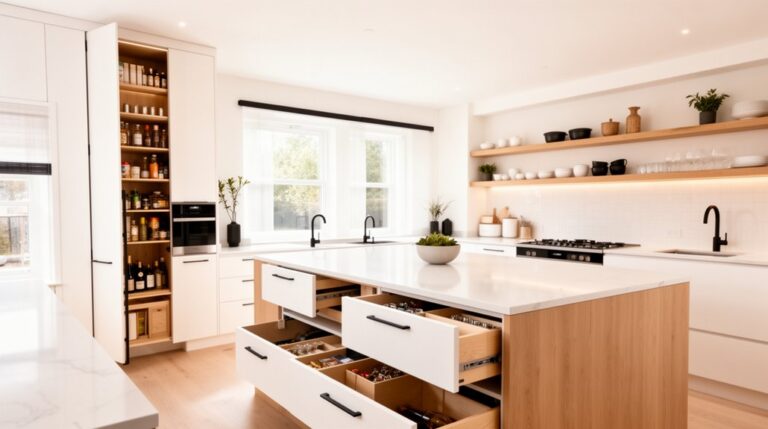
In kitchens, focus on cabinet refacing, efficient layouts, and energy-saving appliances buyers recognize.
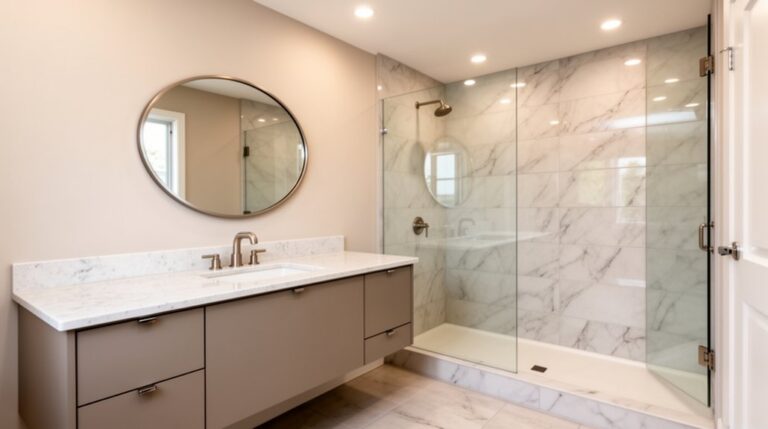
In bathrooms, choose clean tile, water-saving fixtures, and simple vanities that signal move-in readiness.
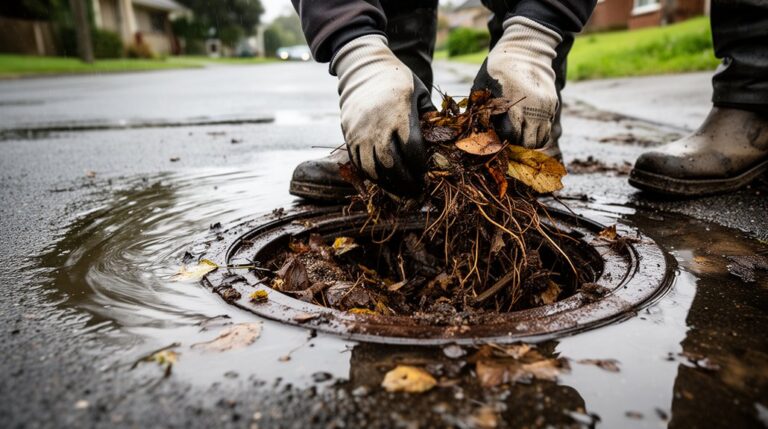
Outside, follow landscaping trends like low-maintenance plantings, defined pathways, and fresh paint to create a welcoming first impression.
Add subtle smart home technology—smart locks, lighting, and thermostats—to show convenience without complexity.
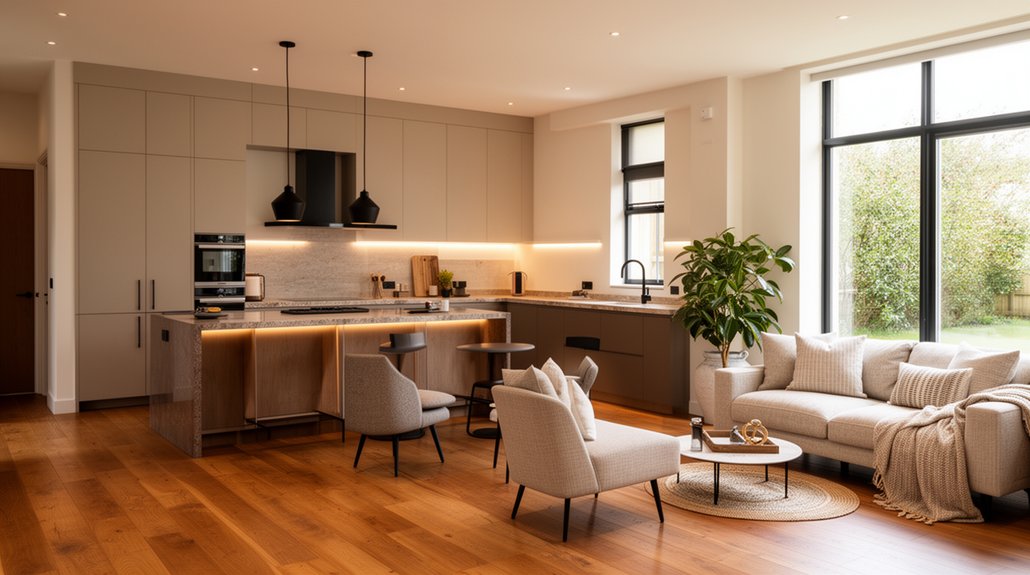
Keep finishes cohesive so each space feels connected, helping buyers picture their place in the neighborhood.
Prioritize visible upgrades that photograph well, since online listings drive traffic and set expectations before anyone steps inside today.
How to Balance Cost and ROI for Upgrades
Once you’ve targeted kitchens, bathrooms, and curb appeal, the next step is deciding how much to spend versus what you’ll realistically get back. Focus on upgrades that align with local buyer expectations and price ranges, so you stay competitive without overspending.
Not every project needs luxury enhancements; choose where they truly matter and skip them where they won’t move value. Prioritize improvements that boost energy efficiency, since buyers increasingly value lower operating costs.
Compare estimated costs against typical resale gains, and leave room for margins. When you balance spending with realistic returns, you’ll feel confident you’re investing like others in your market, not overreaching or cutting corners.
This grounded approach helps you belong among smart sellers and keeps your decisions disciplined and purposeful.
How to Plan High-ROI Property Upgrades
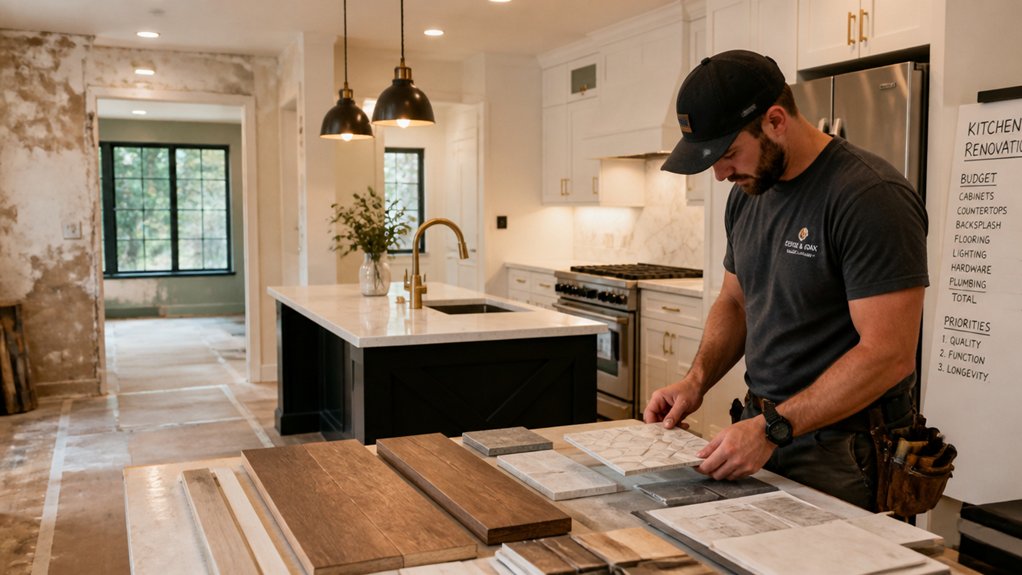
While it’s tempting to jump straight into renovations, you’ll get better results by starting with a clear, market-driven plan. Begin with current property valuation and recent comparable sales so you know what buyers in your area actually pay for.
Prioritize upgrades that close the gap between your home and neighborhood standards, not personal wish lists. Map your budget to expected returns, and phase projects based on upgrade timing that aligns with seasonal demand and local trends.
Get quotes, set contingencies, and focus on visible, functional improvements first. When you plan this way, you stay competitive, spend with purpose, and position your property to attract confident offers from buyers who value what you’ve improved.
Build trust within your market community over time consistently, reliably.
Avoid Common Property Upgrade Mistakes
Although upgrades can boost value, common missteps can quietly erode your return if you don’t stay disciplined. You might overspend on luxury enhancements that don’t match your neighborhood, or ignore outdated features that buyers immediately notice. Focus on what your market rewards, not personal taste. Stick to comparable properties, set a firm budget, and avoid over-customizing layouts or finishes.
You also need to time upgrades wisely, coordinating work to prevent delays and extra costs. Don’t neglect permits, inspections, or quality control, since shortcuts can hurt resale and your reputation. Choose durable, widely appealing materials so your property fits comfortably within your local market and attracts confident buyers.
You’ll protect your margins and feel aligned with other smart investors making steady, informed upgrade decisions today.
About the Author