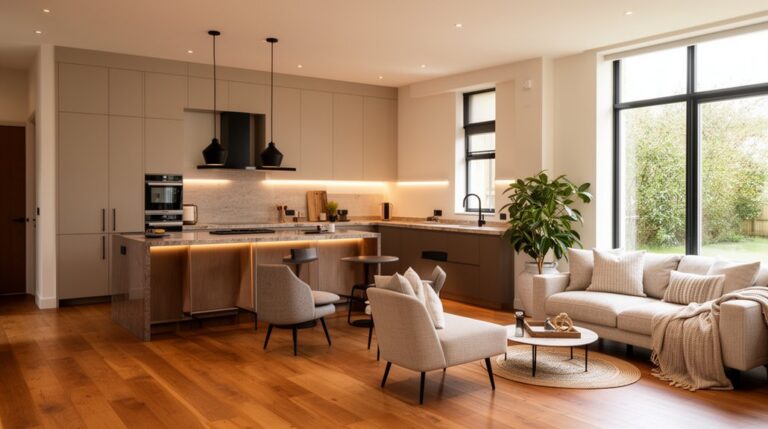
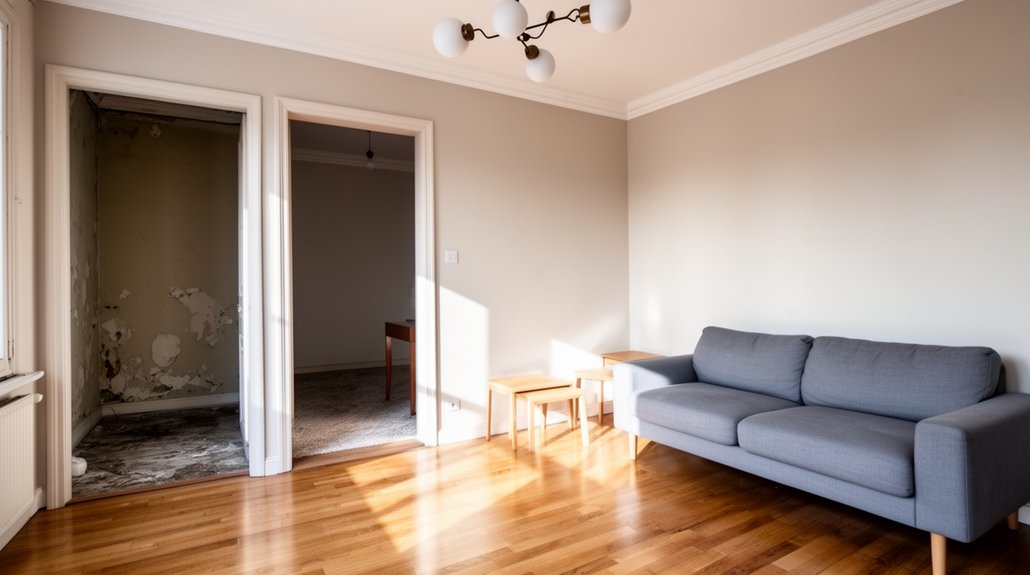
If you want to increase rental yield, you can’t afford to renovate blindly—you need upgrades that tenants will pay for. Focus your budget where it drives rent, reduces vacancy, and limits future maintenance. Smart refurbishments don’t just improve appearance; they shift how your property competes in the market. The difference between average and optimized often comes down to a few targeted decisions—some obvious, others easy to overlook.
Key Takeaways
- Focus upgrades on kitchens, bathrooms, and layouts that tenants value most to justify higher rents and faster leasing.
- Use durable, low-maintenance materials to reduce repair costs, limit turnover expenses, and protect long-term yield.
- Improve energy efficiency with insulation, LED lighting, and efficient systems to lower operating costs and attract cost-conscious tenants.
- Enhance curb appeal and interior presentation to increase perceived value, reduce vacancy periods, and support rent premiums.
- Align refurbishment spending with local market demand and track metrics like rent uplift, voids, and payback period to ensure strong ROI.
Which Refurbishments Boost Rental Yield Most?
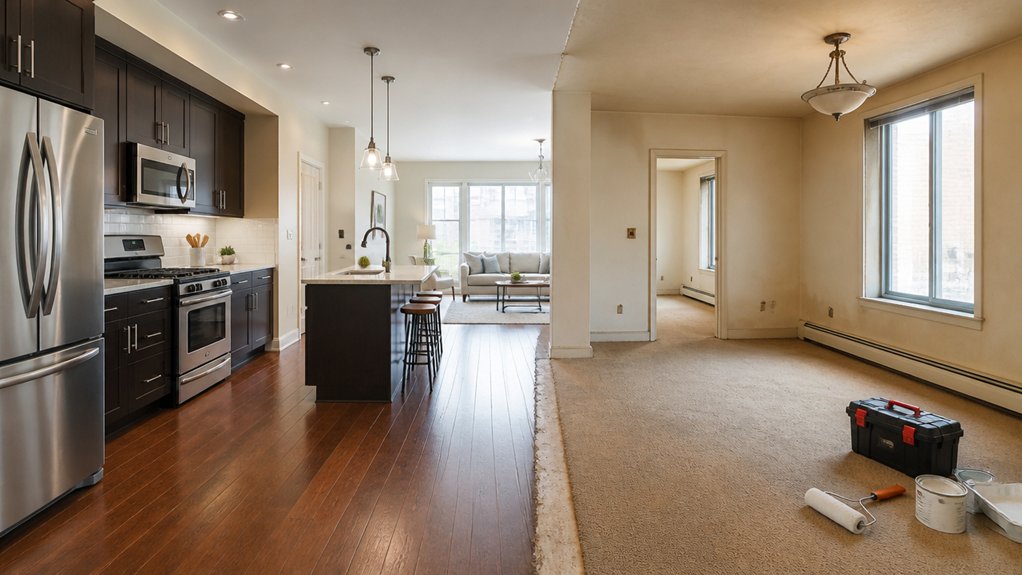
While not every upgrade pays off equally, you’ll see the strongest rental yield gains from refurbishments that improve functionality, durability, and broad tenant appeal without overspending.
Focus on kitchens and bathrooms, where modest, well-specified finishes outperform flashy luxury upgrades. Choose hardwearing flooring, neutral palettes, and smart storage that reduce turnover costs and widen your tenant pool.
Prioritize energy efficiency through insulation, LED lighting, and efficient appliances to cut bills tenants notice immediately.
Upgrade heating controls, windows, and ventilation to protect the asset and signal quality.
Refresh paint, lighting, and curb appeal for quick wins that photograph well and lease faster.
You’re building a home renters feel part of, so balance durability with comfort and keep specs consistent across units to streamline maintenance and pricing.
Why Do Targeted Refurbishments Increase Yield?
Because targeted refurbishments align spend with what tenants actually value and pay for, they convert each dollar into higher rent, faster lets, and lower voids. You focus capital where it moves the needle, guided by Market trends and tenant preferences, avoiding waste on low-impact upgrades.
Smart choices lift perceived quality, justify premiums, and reduce negotiation friction. They also shorten downtime, as well-targeted updates photograph better, market quicker, and match active demand.
You protect margins by sequencing works, controlling costs, and prioritizing payback periods. Over time, consistent, data-led upgrades compound returns, strengthen your positioning, and build a reputation tenants recognize and trust.
You stay competitive, fill units reliably, and keep yields resilient in changing markets while preserving flexibility for future shifts and opportunities ahead too.
Key Property Features That Drive Rental Yield
When you choose features that tenants actively search for and will pay a premium to secure, you turn each upgrade into measurable yield rather than sunk cost.
Focus on Interior lighting that elevates mood, improves perceived space, and lowers energy costs, because tenants notice comfort immediately. Invest in durable finishes, smart storage, and reliable connectivity to support daily life and reduce turnover.
Add Landscaping enhancements that boost curb appeal, create shared pride, and justify stronger rents from first viewing. Prioritize low-maintenance materials and efficient fixtures to protect margins over time.
Align upgrades with your target renter profile so every pound works harder, shortens vacancy, and builds a sense of belonging people will pay to keep.
Track results and iterate quickly to compound returns consistently.
How Do Kitchen Upgrades Increase Rent?

Upgrade the kitchen and you’ll command higher rent because modern features signal quality and justify a premium.
You boost perceived value with updated appliances, clean finishes, and smart layouts, so tenants are willing to pay more.
Keep it cost-conscious by targeting high-impact swaps that lift appeal without overspending.
Modern Features Drive Rent
While tenants rarely pay more for square footage alone, they’ll consistently pay a premium for a modern, functional kitchen that feels move-in ready. You capture higher rents when you install durable, mid-range cabinetry, quartz worktops, and energy-efficient appliances with Smart technology.
Tenants value reliability, low running costs, and eco-friendly features that align with modern living.
Focus spend where it shows: lighting, hardware, and clean layouts that improve workflow. You’ll reduce voids and justify stronger asking rents without overcapitalising.
Keep specs consistent with your target tenant, so finishes feel cohesive and easy to maintain. Small upgrades, like soft-close hinges and integrated appliances, signal quality while protecting your margin.
Prioritise quick installs and trusted brands to limit downtime and future maintenance costs across your portfolio.
Perceived Value Boost
Because tenants judge value in seconds, a crisp, modern kitchen reframes the entire property and lets you anchor a higher rent without adding square footage. Upgrade surfaces, lighting, and layout to lift perceived value while keeping costs tight. You don’t need luxury brands; cohesive finishes, durable worktops, and efficient appliances signal care and reliability.
When prospects walk in, they picture daily life, and that sense of fit drives tenant satisfaction and faster lets. You can justify rent premiums because the kitchen reads newer, cleaner, and easier to maintain.
Focus on high-impact swaps—cabinet fronts, handles, splashbacks, and LED task lighting—that photograph well and age slowly. Track comps, price above similar stock, and you’ll capture demand from renters who want to belong in a well-kept home.
Which Bathroom Improvements Add the Most Value?
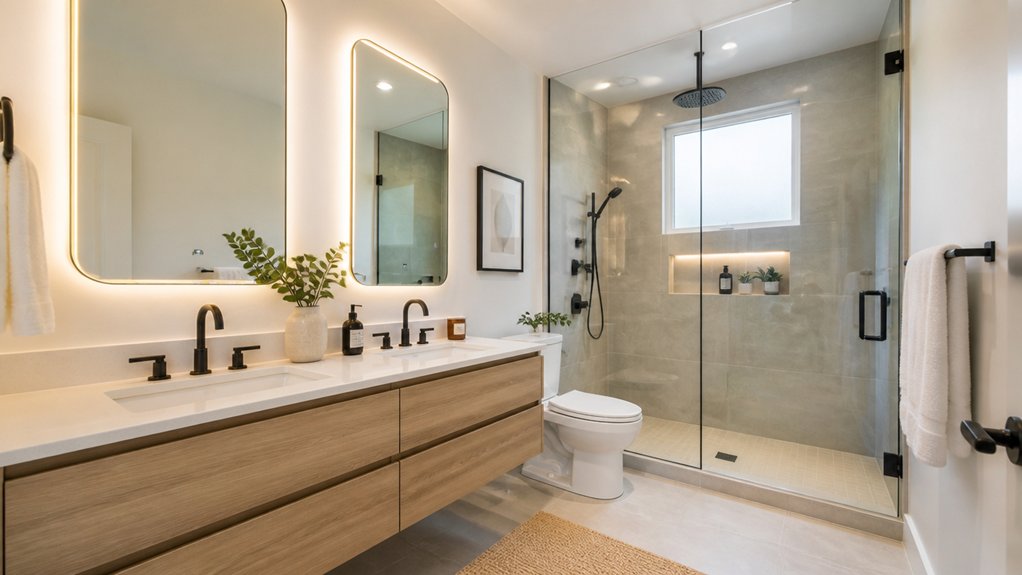
In the bathroom, you’ll boost rent fastest by prioritizing high-impact fixture upgrades like modern taps, efficient showers, and sleek vanities that signal quality without major plumbing changes.
Pair these with cost-effective cosmetic fixes—fresh grout, neutral tiles, updated lighting, and a clean paint palette—to lift perceived value on a tight budget.
Done right, you’ll increase appeal, reduce vacancy, and capture higher yields without overspending.
High-Impact Fixture Upgrades
If you want the fastest lift in rental appeal without blowing your budget, focus on fixture upgrades that tenants notice immediately and use daily. Swap dated taps for sleek, water-efficient luxury fixtures that signal quality and cut bills. Install rainfall showerheads and thermostatic mixers to deliver consistent comfort tenants remember.
Upgrade vanities with integrated storage and durable stone tops that photograph well and wear better. Add LED mirrors and motion-sensor lighting to blend style with smart home technology expectations. Choose finishes that match across fittings to create a cohesive, premium feel.
These targeted upgrades cost less than full remodels, reduce maintenance, and justify higher rents while attracting tenants who value well-considered, modern living. You’ll see quicker leasing, stronger comps, and fewer vacancy gaps overall.
Cost-Effective Cosmetic Changes
While full renovations grab attention, it’s the low-cost cosmetic tweaks that often deliver the sharpest return per dollar. You can boost perceived value fast by revitalizing color schemes to neutral, modern tones that appeal to broad renters.
Update fixtures like taps, handles, and showerheads for an instant lift, and swap dated lighting for bright, energy-efficient options.
Improve wall textures with simple repainting or peel-and-stick tiles that photograph well in listings. Regrout tiles and reseal edges to signal cleanliness and care.
Add a framed mirror and coordinated accessories to create a cohesive look. These changes cost little but help your property stand out with tenants who expect style and reliability.
They also reduce vacancy time and support stronger rent negotiations in competitive markets today right now.
What Storage Upgrades Do Tenants Pay For?
Although tenants won’t pay extra for gimmicks, they consistently reward practical, space-maximizing storage that makes daily living easier. You should focus on smart Storage solutions, aligned with tenant preferences.
Built-in wardrobes with adjustable shelving add flexible capacity, while under-bed drawers and entryway cabinets reduce clutter immediately. In-unit laundry cupboards and kitchen pull-outs boost usability without expanding footprint.
Tenants also value secure bike storage and dedicated pantry space, especially in urban markets. When you prioritize layouts that feel organized and intuitive, you strengthen perceived value and reduce vacancy risk.
Practical storage helps renters settle in faster and stay longer, protecting your yield and keeping your property competitive. Avoid overbuilt custom units; choose durable, neutral finishes that appeal broadly and support easy maintenance between tenancies cycles.
How Much Should You Budget for ROI?
Because returns hinge on disciplined spend, you should budget refurbishment at roughly 5–15% of the property’s value, scaling to market expectations and the rent uplift you can realistically achieve. Anchor your numbers to comps and cashflow, not optimism; model payback within 24–36 months after costs, including Property taxes and financing.
Prioritize upgrades that lift rent and reduce voids, then cap spend where returns taper. Keep a contingency of 10–15% to protect margins, and phase works if liquidity is tight.
Pair smart capex with disciplined Tenant screening to secure stable income and fewer arrears, reinforcing yield you can bank. Track performance monthly, adjust rents to market, and recycle gains into the asset so your portfolio compounds steadily without overextending risk or eroding net returns over time.
Which Refurbishment Mistakes Lower Yield?
If you overspec finishes beyond what your target tenants will pay for, you’ll sink capital without a matching rent uplift and compress yield. Chasing luxury amenities that your comp set doesn’t support ties up cash and slows payback.
You also hurt returns when you ignore energy efficiency upgrades that tenants expect and that reduce operating costs. Higher bills deter renewals and increase voids.
Over-customizing layouts limits your renter pool, while trendy finishes date quickly and trigger repeat capex.
Cutting corners on durability creates maintenance drag and reputational damage.
Finally, poor scope control and contractor creep inflate budgets and timelines, eroding net income.
Stay aligned with local demand, prioritize durable, efficient upgrades, and protect yield through disciplined, data-led decisions so you stay competitive in market.
How Do You Measure Rental Yield Gains?
To measure rental yield gains, anchor everything to before-and-after numbers you can defend: compare pre-refurb rent, voids, and operating costs to post-refurb performance.
Then calculate both gross yield (annual rent ÷ total cost) and net yield (rent minus opex ÷ total cost).
Track rent per square foot, days on market, and renewal rates to see if upgrades align with Market trends and Tenant preferences.
Benchmark against local comps so you know whether gains are property-specific or market-driven.
Include capex in your basis, and test sensitivity to interest rates and maintenance drift.
If your net yield expands while risk tightens, you’re winning.
Share results with your circle, refine your playbook, and reinvest where returns compound fastest.
Keep disciplined records and revisit assumptions quarterly for accuracy.
About the Author