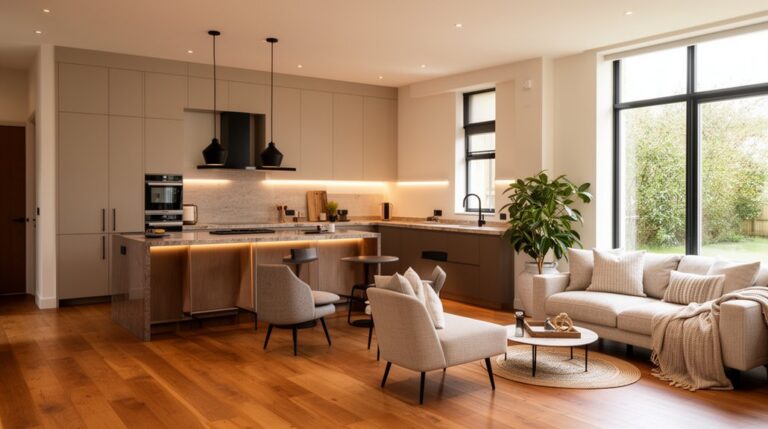
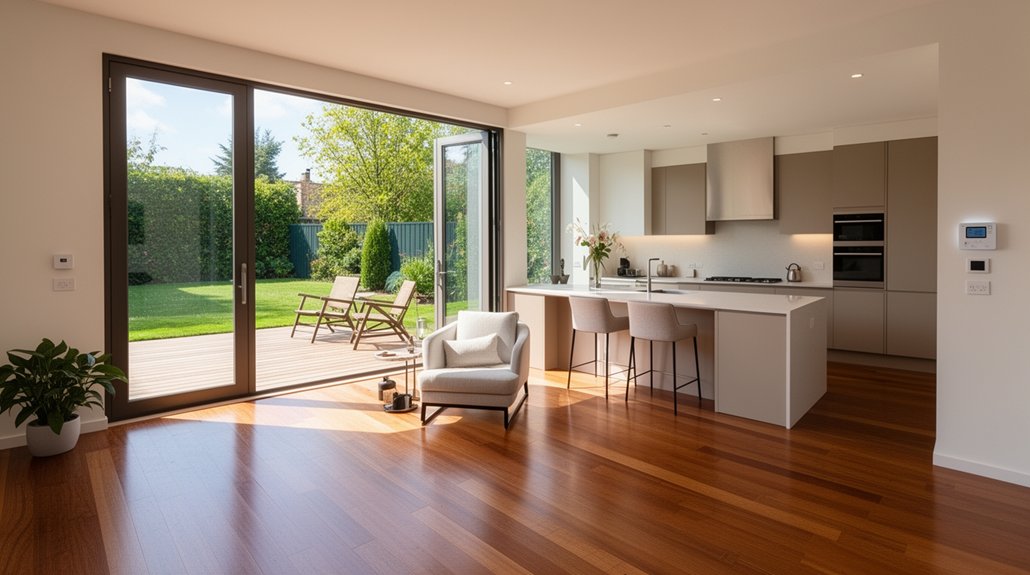
If you want to maximise your property’s value, you need to focus on improvements that buyers actually pay for. Start with upgrades that boost efficiency, modern appeal, and everyday function rather than cosmetic trends. Smart tech, solid infrastructure, and clean, neutral finishes often outperform flashy choices. But not every upgrade delivers equal returns, and timing matters more than you might think…
Key Takeaways
- Prioritize kitchen, bathroom, and curb appeal upgrades that create strong first impressions and align with buyer expectations.
- Fix structural, electrical, plumbing, and roofing issues first to prevent deal-breakers and support higher valuations.
- Invest in energy-efficient insulation, appliances, and smart thermostats to reduce costs and attract modern buyers.
- Stick to a realistic budget, focusing on high-ROI improvements while avoiding overly personalized or luxury upgrades.
- Time renovations strategically and match upgrades to local market trends to maximize resale value and buyer interest.
High-Value Home Improvements to Start With

When you’re aiming to boost property value quickly, focus on improvements that buyers consistently pay more for—kitchens, bathrooms, and energy efficiency upgrades top the list. You’ll get strong returns by modernising cabinetry, adding stone countertops, and installing water-saving fixtures that signal quality.
Layer in Smart home security and Automated lighting to elevate everyday convenience and reassure buyers who want connected, safe living. Prioritise cohesive finishes, neutral palettes, and durable materials so your home feels move-in ready and aligned with current expectations.
Upgrade insulation, windows, and efficient HVAC systems to cut costs and signal long-term value to budget-conscious households. Choose projects that photograph well, appraise higher, and help you stand out in competitive listings where buyers compare fast.
Focus on updates that community values and recognises.
Fix Key Issues Before Home Improvements
Before you invest in visible upgrades, fix the issues that can derail a sale or drag down appraisals. Start with foundation stability and roof integrity; buyers and lenders flag these immediately. Address cracks, drainage, leaks, and missing shingles so your home feels secure and move-in ready.
Then tackle electrical faults, plumbing leaks, HVAC inefficiencies, and pest damage. Document repairs and permits to build trust and reduce renegotiation risk. A solid baseline lets your upgrades shine and positions your property within the expectations of serious buyers, helping you compete confidently in your market and close faster with fewer surprises.
Prioritize inspections to uncover hidden defects and correct them early. Clean up moisture issues and improve ventilation to prevent future problems. Keep records organized for review.
Set a Budget for Value-Adding Improvements
With core issues resolved, set a clear budget that targets improvements buyers will pay for. You want budget planning that aligns with local demand, not personal taste. Research recent sales, price bands, and buyer expectations to define realistic spend limits. Prioritise projects with proven returns and cap each line item.
Use disciplined expense tracking to keep costs visible and decisions grounded. Get multiple quotes, build a contingency, and avoid over-improving for your street. Focus on cohesive updates that help buyers picture themselves living there and fitting in.
Track progress weekly, adjust, and protect your margin at resale. Choose neutral finishes, durable materials, and simple upgrades that photograph well and appeal broadly across your market segment. Stay with scope and timeline to avoid drift.
Upgrade Energy Efficiency for Higher Value

Boost your home’s value by tightening energy performance where buyers notice it most. You’ll see strong returns when you add high-efficiency insulation, upgrade to energy-saving appliances, and install smart climate control that cuts ongoing costs.
These improvements don’t just lower bills—they position your property as modern, efficient, and market-ready.
High Efficiency Insulation
How much value can you release by upgrading insulation? You tap into smart insulation that strengthens energy conservation and positions your home with confident appeal.
Buyers notice consistent comfort, lower running costs, and fewer surprises during inspections. By sealing gaps, boosting loft and wall ratings, and addressing thermal bridges, you protect the structure and elevate perceived quality.
You join a community of owners who value efficiency and resilience. Document upgrades, show before-and-after performance, and highlight warranty-backed materials.
You reduce noise, improve air quality, and stabilize temperatures year-round. It signals care, future-ready thinking, and dependable returns when it comes time to sell.
Focus on high-performance batts, blown-in options, and airtight detailing to maximise ratings and stand out in competitive listings today for stronger buyer confidence.
Energy Saving Appliances
Why prioritize energy‑saving appliances when upgrading your home? You boost appeal, cut running costs, and signal modern living buyers expect. Replace outdated fridges, washers, and ovens with high‑efficiency models carrying strong ratings; they deliver immediate savings and cleaner performance.
Pair these upgrades with energy efficient lighting to reduce consumption across every room while enhancing ambience.
You also strengthen your home’s market position by showing thoughtful, future‑ready choices. Even simple additions like smart thermostats complement efficient appliances by demonstrating integrated efficiency without major renovation.
Buyers want homes that feel responsible and cost‑conscious, and you’re meeting that expectation directly. Focus on proven brands, clear energy labels, and consistent upgrades, and you’ll create a cohesive, desirable package that stands out in competitive listings right now for value.
Smart Climate Control
Pair efficient appliances with smart climate control to extend savings across the biggest energy load in your home—heating and cooling. A smart thermostat learns your routines, reduces waste, and signals modern efficiency buyers expect.
You gain precise scheduling, remote control, and data-driven climate optimization that keeps rooms comfortable without overspending. Highlight zoning, geofencing, and integration with other systems to show a cohesive, future-ready home.
Document lower utility bills and maintenance alerts to strengthen your listing narrative. These upgrades are affordable, quick to install, and instantly visible during viewings.
Position your property within a community that values sustainability and smart living, helping buyers feel they belong while seeing clear long-term savings and resilient performance.
Emphasize easy upgrades and compatibility with existing HVAC systems today now.
Remodel Kitchens and Bathrooms for ROI
When done strategically, kitchen and bathroom remodels deliver some of the highest returns because buyers judge these spaces first and price their offers accordingly. Focus on clean layouts, durable materials, and cohesive finishes that match your neighborhood’s expectations.
Upgrade with Smart lighting and modern fixtures to signal quality without overcapitalizing. Refresh cabinets with neutral tones, replace worn countertops, and choose easy-care flooring that photographs well.
In bathrooms, prioritize walk-in showers, efficient storage, and bright, flattering illumination. Keep plumbing locations where possible to control costs and protect margins.
Aim for a polished, move-in-ready feel that helps buyers picture themselves living there. Get quotes, set a tight scope, and track ROI so every dollar supports your asking price and shortens time on market for faster sales.
Add Smart Tech Buyers Actually Want
After you’ve tightened up kitchens and baths, layer in smart tech that buyers recognize and trust. Focus on smart tech integration that aligns with buyer preferences, not gimmicks. Install a smart thermostat, video doorbell, and app-controlled lighting—features people already use and value.
Guarantee compatibility with major platforms so buyers feel included, not locked out. Keep controls simple, with clear instructions and default settings that work from day one. Highlight energy savings, security, and convenience in your listing.
Avoid over-automation that complicates daily routines or raises maintenance concerns. When you choose familiar brands and clean installations, you signal reliability.
Done right, smart upgrades make your home feel current, connected, and ready for the way buyers live now and stand out in competitive markets today clearly.
Boost Kerb Appeal With Simple Fixes

First impressions sell, so start with a front door refresh—clean, repaint, or swap hardware to signal a well-kept home.
Keep landscaping tidy with trimmed edges, fresh mulch, and low-maintenance plants that frame the entry. These quick, low-cost fixes lift curb appeal and help buyers see value before they step inside.
Front Door Refresh
Why does a simple front door refresh make such a strong first impression? You signal care and cohesion through front door aesthetics, setting expectations before anyone steps inside.
Choose a modern colour that complements your façade, then add crisp contrast with trim or sidelights. Clean surfaces and repair minor wear so everything feels intentional.
Smart hardware upgrades finish the look and elevate perceived value. Replace dated handles with sturdy, stylish sets, update locks for security, and align finishes with exterior fixtures.
Install clear house numbers and a welcoming light to improve visibility and safety. These focused updates create a confident entry that helps buyers picture themselves at home.
Add a seasonal wreath or mat for subtle warmth without clutter or maintenance concerns for buyers today.
Tidy Landscaping Basics
Because buyers form an opinion before they reach the door, tidy landscaping delivers quick, visible value with minimal cost. You want a clean, cohesive look that signals care and belonging in your street.
Start with simple garden design: edge lawns, define paths, and keep sightlines open. Trim hedges, remove weeds, and refresh mulch to create contrast and order. Prioritise plant maintenance so everything looks healthy, not overgrown.
Choose hardy, low-maintenance plants that suit your climate and match neighbouring styles. Repair borders, straighten pavers, and hide bins.
Add subtle lighting to guide visitors and highlight features at dusk. Finish with a swept driveway and a rinsed facade so your home feels welcoming, consistent, and ready for inspection.
Buyers notice details, small fixes signal clear pride.
Choose Home Improvements With Best ROI
How do you decide which upgrades actually boost your home’s market value instead of just adding cost? Focus on improvements buyers expect and recognize, so your home fits the neighborhood and feels move-in ready.
Prioritize visible, functional updates like kitchens, bathrooms, and fresh finishes that signal care and consistency.
Add Smart security and exterior lighting to enhance safety, curb appeal, and perceived value from the street.
Choose durable materials, neutral palettes, and efficient systems that reduce future maintenance and appeal to a broad buyer pool.
Match each upgrade to comparable homes nearby, so you stay competitive and confidently justify your asking price.
Track local sales, consult agents, and prioritize projects with clear payback timelines that buyers immediately notice during showings before they step inside.
Don’t Overspend on Low-Value Upgrades
Don’t sink money into over-personalized features that won’t appeal to most buyers. Focus your budget on upgrades with proven ROI instead of niche add-ons.
Prioritize essential improvements first, so every dollar you spend supports market value.
Avoid Over-Personalised Features
While it’s tempting to tailor your home to your exact tastes, highly personalized upgrades rarely translate into higher resale value. Buyers want a space they can picture themselves in, not one defined by your Personalised decor or bold, Unique architectural features that limit appeal.
You should aim for choices that feel welcoming to a broad audience. Keep finishes neutral, layouts functional, and styling adaptable. When your home feels inclusive, more buyers connect emotionally and competitively.
Avoid niche additions that require costly reversals. Instead, think about how each update supports flexibility and everyday living.
A widely appealing home attracts stronger interest, reduces time on market, and helps you position your property within the expectations of your local community and aligns with what most buyers seek.
Focus On High ROI
Because every upgrade competes for your budget, you need to prioritize improvements that buyers consistently value and are willing to pay for. Focus on changes that signal quality, efficiency, and modern living without draining your returns.
Smart security upgrades, like integrated cameras and app-controlled locks, reassure buyers and add perceived value.
Thoughtful garden design boosts curb appeal and creates an inviting first impression that helps your property stand out in a competitive market.
Avoid niche features with limited appeal or expensive finishes that won’t translate into higher offers. Instead, align your choices with what most buyers expect and appreciate, so your investment feels relevant, desirable, and worth the price you’re asking.
Keep your upgrades disciplined, comparable, and beneficial to everyday buyers in your area.
Prioritise Essential Upgrades
High-ROI thinking naturally leads to a tighter filter on what you upgrade next: prioritise the basics that buyers expect to work flawlessly before spending on extras.
You’ll get stronger returns by fixing wiring, plumbing, heating, and insulation first, then layering simple smart lighting and reliable security systems that feel standard, not flashy.
Skip niche gadgets and over-custom installs; most buyers want ease, safety, and low running costs.
Choose upgrades you can explain in one line during viewings, and that align with local expectations.
That way, you stay in step with your market, avoid sunk costs, and present a home that feels complete, dependable, and ready to join the neighbourhood.
Buyers notice consistency, and they reward homes that simply work from day one smoothly.
Time Your Improvements for Maximum Return
If you time upgrades to align with market cycles and buyer demand, you’ll capture more value with less spend. Use Seasonal timing to schedule visible improvements before peak listing periods, when competition is high and buyers are active.
Track Market trends in your area so you invest in features buyers currently expect, not yesterday’s upgrades.
Plan projects backward from your intended sale date, allowing time for permits, contractors, and staging.
Avoid over-improving in slow periods; focus on maintenance and small enhancements that keep your home competitive.
When momentum builds, complete high-impact updates that photograph well and influence first impressions.
Smart timing helps you fit your property into what buyers want right now, strengthening your position and supporting stronger offers with less negotiation risk overall.
About the Author