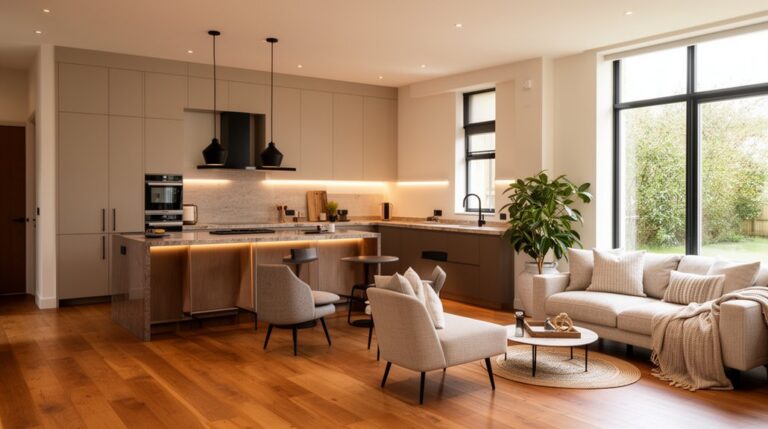

You walk into a dated home with worn floors and faded walls, but you see clean lines, light, and margin. You don’t chase every upgrade—you target kitchens, baths, and curb appeal that buyers pay for. You keep finishes neutral, budgets tight, and comps in view so you don’t overbuild. With the right plan, timing, and presentation, you turn potential into profit—but the details decide the outcome.
Key Takeaways
- Buy below market value with solid comps, strong demand indicators, and enough margin to absorb renovation and holding costs.
- Prioritize high-ROI upgrades like kitchens, bathrooms, curb appeal, and essential systems to boost value without overspending.
- Use neutral, modern designs and open layouts to attract the widest pool of buyers and enhance perceived space.
- Control costs with detailed budgets, contractor bids, and a 10–15% contingency to protect profit margins.
- Price strategically and time the sale to market peaks to generate competition, reduce days on market, and maximize returns.
Choose a Profitable Fixer‑Upper

Spotting a profitable fixer‑upper starts with numbers, not charm: you’re looking for a property priced well below market value with repair costs you can realistically control.
You focus on comps in the same block, tracking recent sales and days on market to confirm demand.
You favor locations with strong Neighborhood amenities like transit, schools, and retail, because buyers pay for convenience.
You also weigh Historical significance, which can attract niche demand but may limit changes or add permit costs.
Run conservative estimates, include holding expenses, and leave margin for surprises.
When the numbers align with local trends, you’re not chasing a dream—you’re joining a market that rewards disciplined buyers.
Stick to your buy box and walk away quickly when a deal doesn’t pencil out.
Identify Fixer‑Upper Renovations With High ROI
Once the numbers work on the purchase, you protect your margin by choosing upgrades buyers will actually pay for. Focus on kitchens and baths first; clean layouts, durable surfaces, and neutral finishes move listings faster.
Improve curb appeal with simple landscaping, fresh paint, and updated lighting that photographs well and signals care.
Prioritize fixes that remove objections: roof, HVAC, plumbing, and electrical.
Blend Historical restoration where character sells—refinish original floors, restore trim—while avoiding over-customization.
Add Sustainable upgrades like efficient windows, insulation, and smart thermostats to lower operating costs buyers notice.
Choose improvements that match neighborhood comps, so you fit in while standing out just enough to win offers.
Stick to broadly appealing materials and finishes that appraisers recognize, helping your resale value hold up.
Set a Smart Fixer‑Upper Budget
Before you swing a hammer, anchor your plan with a budget that reflects local comps, realistic timelines, and a clear exit price. Ground your budget planning in comparable sales and contractor bids, not guesses or optimism.
Build line-item costs for labor, materials, permits, holding expenses, and contingencies, keeping a 10–15% reserve for surprises.
Align renovation financing with your timeline, comparing rates, draw schedules, and fees so cash flow stays steady.
Track spend weekly, adjust fast when bids shift, and protect your margin by capping scope creep. You stay disciplined because everyone in your circle wins when the numbers work.
Share your assumptions with agents, lenders, and contractors to validate pricing and timelines, keeping decisions grounded in current market reality and avoid costly late surprises.
Prioritize High‑Impact Upgrades Buyers Notice
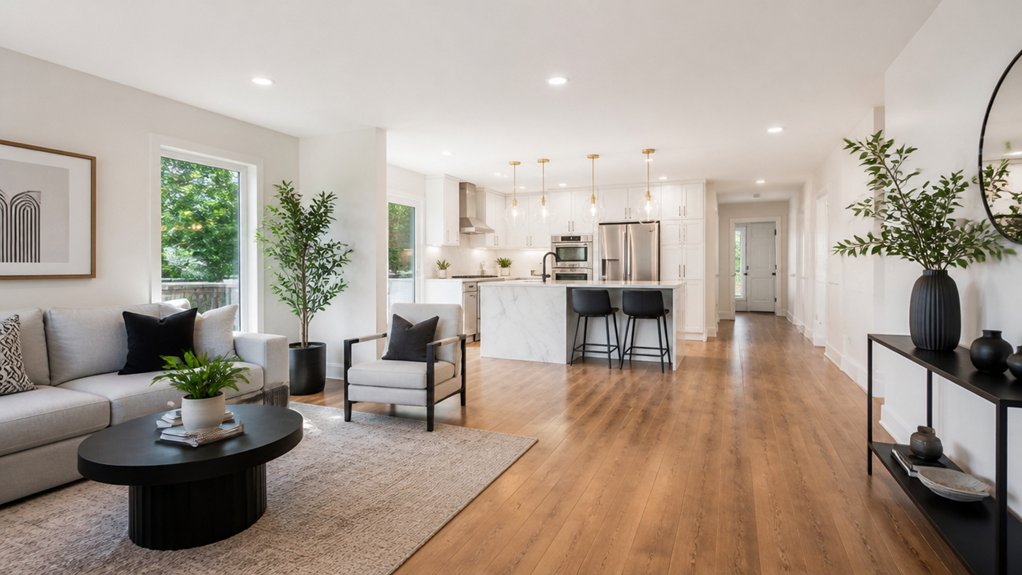
While your budget sets the guardrails, you’ll protect your margin by directing dollars toward upgrades buyers instantly notice and value. Focus first on curb appeal and function: landscaping enhancements that frame the entry, fresh exterior elements, and visible repairs signal care and reduce objections.
Inside, prioritize systems buyers scrutinize: roofs, HVAC, plumbing, and electrical. Pair those with energy efficiency upgrades like insulation, sealed ducts, and high‑performance windows to cut utility costs and strengthen offers.
Keep scopes tight, document improvements, and highlight warranties. When buyers feel confident about big‑ticket items, they’ll move faster and negotiate less, helping you protect profit and stay competitive in your local market.
Done right, you build trust and momentum. Smart prioritization keeps budgets intact while maximizing perceived value at closing.
Use Design Choices That Boost Resale Value
Choose neutral color palettes so your space appeals to more buyers and keeps repaint costs low.
Upgrade to modern, affordable fixtures that instantly signal value without blowing your budget.
If you can, open up the layout to improve flow, because buyers consistently pay more for homes that feel spacious and connected.
Neutral Color Palettes
Why do neutral color palettes consistently outperform bold schemes at resale? Because buyers need to see themselves in your space, and color psychology shows calm, familiar tones reduce friction and widen appeal.
Smart paint selection—soft whites, warm grays, greige, muted taupe—creates continuity, brightens rooms, and photographs well online, where first impressions form.
Stick to a cohesive whole-home palette so flow feels intentional and square footage reads larger. Use durable, mid-tier paints to control costs while ensuring coverage and touch-up ease.
Pair neutrals with simple trim contrast to add depth without risk. You’ll attract more showings, minimize buyer objections, and shorten days on market, protecting your margin.
Keep finishes consistent across rooms to signal care and reduce perceived renovation scope for cautious, value-focused buyers today.
Modern Fixture Upgrades
Because fixtures are the most touched and noticed elements in a home, upgrading them delivers outsized impact for relatively low cost. You can quickly signal quality by swapping dated hardware, faucets, and handles for cohesive finishes like matte black or brushed brass. Buyers notice consistency, and it helps them picture themselves belonging in the space.
Focus on kitchens and baths, where returns are strongest. Install modern lighting that brightens work areas and adds warmth, and consider a smart fixture or two—like a programmable thermostat or touchless faucet—to show convenience without overinvesting.
Stick to midrange brands with solid warranties, and avoid overly niche styles. When your choices feel current, durable, and easy to maintain, you reduce objections and support a higher asking price at sale.
Open Layout Appeal
Upgraded fixtures set the tone, but layout determines how buyers feel the space works day to day. You can open up value by embracing an Open concept design that removes unnecessary walls and connects living, dining, and kitchen zones.
Focus on a Spacious kitchen layout with clear sightlines, ample prep space, and seating that invites gathering. Keep costs controlled by relocating only nonstructural walls and upgrading lighting to define areas.
Buyers want flow, flexibility, and a place to belong, so prioritize circulation paths and consistent flooring. Done right, you’ll boost perceived square footage and resale appeal without overspending.
Consider removing bulky cabinetry, widening doorways, and aligning finishes to create continuity that photographs and attracts competitive offers in your market while staying within your renovation budget.
Avoid Over‑Improving Your Fixer‑Upper
While it’s tempting to turn a fixer‑upper into your dream home, over‑improving can quietly erase your return on investment. You want upgrades that match neighborhood expectations, not exceed them. Focus on durable, midrange finishes buyers recognize and trust, avoiding luxury splurges that rarely pay back.
Watch for DIY pitfalls and renovation myths that promise big savings but lead to costly rework. Keep systems updated, layouts functional, and aesthetics neutral so more people feel at home.
Set a clear scope and budget ceiling before you start, and stick to it. Every extra upgrade should have a purpose tied to broad appeal, not personal taste. That discipline protects your margins and keeps your project aligned with what buyers actually value.
Weigh costs before adding another feature.
Price and Market for a Fast, Profitable Sale
You need to price competitively from day one, using recent comps to attract serious buyers without leaving money on the table.
Time your listing to match peak demand in your local market so you don’t carry extra holding costs.
Position the property to meet what buyers want most right now, so it stands out and sells quickly.
Competitive Pricing Strategy
Because pricing sets the pace of your entire sale, anchoring your fixer-upper slightly below comparable renovated homes can generate immediate interest and competitive offers. You use pricing psychology to position value while leaving room for multiple bids.
Ground your decision in solid market analysis, comparing recent comps, condition adjustments, and buyer expectations. Set a clean number that feels accessible yet confident, avoiding overpricing that stalls momentum.
Factor in renovation costs and target margins, but stay flexible if feedback signals resistance. A sharp price invites traffic, shortens days on market, and helps you sell within your community’s expectations while protecting profit.
Monitor showing activity and agent feedback, then fine-tune quickly to maintain urgency and keep your listing competitive without eroding perceived value in buyers’ eyes.
Market Timing Tactics
Smart pricing gets eyes on your listing, but timing determines how fast those eyes turn into offers. You want to launch when Seasonal trends favor movement, not hesitation. Spring and early summer often deliver higher activity, while late fall can slow momentum and stretch holding costs.
Watch local calendars and plan your listing window so your renovation investment works harder, not longer.
Track economic indicators like interest rates, job growth, and inventory levels before you go live. If rates rise or supply tightens, adjust your timing to protect margins. A short delay or quick acceleration can reduce days on market, limit carrying expenses, and keep your project aligned with how your community buys and sells.
Keep your exit predictable and your returns more reliable.
Buyer Demand Positioning
How do you turn interest into competing offers without leaving money on the table? You price where demand clusters, not where hope lives. Study recent comps, pending sales, and days-on-market, then set a slightly strategic entry point to spark urgency.
Your goal is to attract multiple qualified buyers fast, not sit and negotiate down.
Align finishes with what your target buyer values, prioritizing visible, cost-effective luxury upgrades and outdoor enhancements that photograph well and signal lifestyle. Package the home as move-in ready, price within the neighborhood’s sweet spot, and coordinate showings to concentrate traffic.
When buyers feel competition and see clear value, they stretch, contingencies tighten, and you capture a faster, cleaner, more profitable sale. This positioning keeps you competitive while protecting your margins.
About the Author