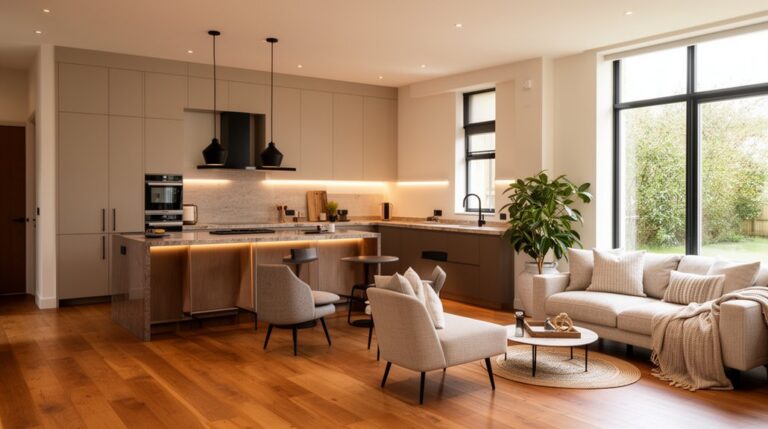
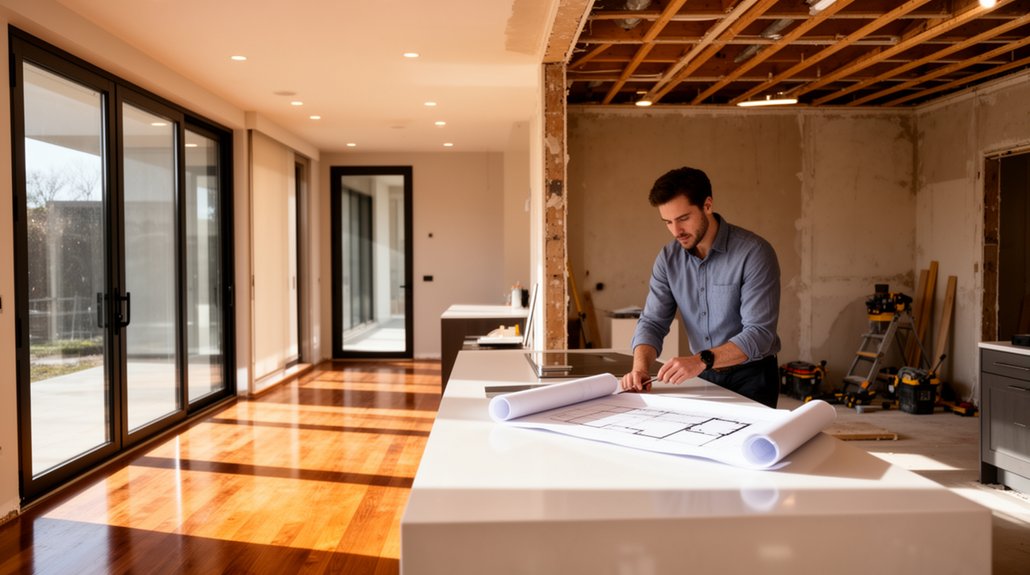
Most investors underestimate how much a well-timed renovation can shift long-term returns. When you target upgrades that align with tenant demand, local regulations, and resale trends, you don’t just improve appearance—you strengthen income stability and asset value. Focus on disciplined spending and high-impact areas, and you’ll position your property to outperform the market, but the real advantage comes from knowing exactly where—and when—to invest next.
Key Takeaways
- Target high-ROI upgrades like kitchens, baths, and systems to increase rents, property value, and appraisal outcomes.
- Align renovations with market demand and neighborhood standards to avoid overbuilding and ensure strong return on investment.
- Improve efficiency and durability with modern systems to reduce operating costs, maintenance, and long-term risk.
- Time renovations strategically around leasing cycles and market conditions to minimize vacancy and maximize income potential.
- Maintain disciplined budgeting, compliance, and planning to control costs, protect value, and support long-term asset performance.
What Are Strategic Renovations in Real Estate?

While not every upgrade pays off, strategic renovations in real estate are targeted improvements designed to maximize return on investment by aligning property features with market demand, regulatory standards, and buyer expectations.
You evaluate assets through a compliance lens, weighing zoning, permits, and Historical preservation constraints while integrating Sustainability initiatives that reduce operating costs and appeal to evolving tenants.
You prioritize upgrades that fit neighborhood comps, strengthen durability, and future‑proof systems against codes and climate risk, so your property belongs in its market tier and performs predictably.
You sequence work to minimize vacancy, document compliance, and communicate value to stakeholders, turning renovation from guesswork into a disciplined, data‑driven strategy you can repeat across your portfolio with confidence and community alignment over time with discipline.
Which Strategic Renovations Deliver the Highest ROI?
Because returns hinge on what buyers and tenants will actually pay for, the highest-ROI renovations are those that close the gap between your property and top-performing comps without overbuilding the asset.
You should prioritize kitchens and baths with durable, code-compliant finishes, layout improvements, and systems upgrades that reduce operating risk.
Historic preservation can facilitate incentives while protecting character that your market values, but you must align with guidelines and approvals.
Eco-friendly upgrades like high-efficiency HVAC, insulation, and water-saving fixtures cut expenses and meet tightening standards.
Focus on functional improvements that match neighborhood expectations, avoid luxury creep, and pass inspections smoothly.
When you scope work with permits, timelines, and resale comparables in mind, you keep capital disciplined and returns predictable within your investment community.
How Do Renovations Increase Rent and Property Value?
When your upgrades align with what tenants and buyers will actually pay for, renovations translate into higher rents and stronger valuations through both income growth and risk reduction. You capture premium pricing by matching finishes, layouts, and amenities to local demand drivers, while staying compliant with codes and rent regulations.
Smart Interior redesign improves livability, shortens vacancy, and supports rent increases that appraisers capitalize into higher value. Property staging strengthens perceived quality, helping you justify comps and accelerate leasing or sale timelines.
You also reduce operational risk by updating systems, lowering maintenance volatility and insurance concerns. In competitive markets, these signals place your asset within a community of well-performing properties, attracting qualified tenants and disciplined buyers who sustain long-term returns over time and cycles.
How Should You Budget Strategic Renovations?

You should set clear budget limits upfront, aligning spend with expected returns and local code requirements.
Focus your capital on high-ROI upgrades that tenants value and appraisers recognize, not vanity improvements.
Always plan for contingencies so cost overruns or compliance issues don’t erode your projected returns.
Set Clear Budget Limits
Two guardrails should anchor every renovation budget: a hard cap tied to projected after-repair value and a contingency reserve of 10–20% for code-driven surprises.
You’ll define scope early, align bids with permitting realities, and lock contracts that cap change-order exposure. Keep your underwriting disciplined: if costs drift, re-scope or pause.
Track draws against milestones and document compliance to satisfy inspections and lenders. Build room for Property marketing and Tenant retention considerations without breaching your cap.
Share assumptions with partners so expectations stay synchronized. When markets shift, revisit assumptions, not limits.
Your budget isn’t a wish list; it’s a control system that protects yield and reduces regulatory risk and preserves optionality for refinancing or exit timing amid rate volatility and local compliance updates across cycles.
Prioritize High ROI Upgrades
Although budgets set the ceiling, returns are driven by where you deploy each dollar. You should target upgrades with proven payback in your market, aligning choices with buyer demand, code requirements, and appraisal standards.
Focus on kitchens, baths, and energy-efficient systems that elevate property aesthetics while meeting regulatory expectations. Sequence work to optimize renovation timelines, minimizing vacancy and carrying costs.
Avoid over-improving beyond neighborhood comps; instead, match finishes to local benchmarks so valuations support your spend. You belong to a disciplined investor cohort that tracks data, not trends, and prioritizes measurable gains.
Plan For Contingencies
Because renovation plans rarely unfold exactly as scoped, build a contingency reserve—typically 10–20% of total project cost—into your budget to absorb surprises without eroding returns.
Contingency planning anchors disciplined underwriting, helping you protect yield when materials spike, timelines slip, or inspections uncover code issues. Treat the reserve as restricted capital, not optional padding, and align it with lender covenants, permits, and local compliance requirements.
Integrate risk management into scopes, bids, and contracts, using allowances, unit pricing, and clear change-order protocols to control cost drift.
Benchmark reserves against comparable assets in your market so you stay competitive and credible with partners.
When surprises hit, deploy funds deliberately, document impacts, and update pro formas to preserve IRR and maintain stakeholder confidence. Replenish reserves before next phase.
When Is the Best Time to Renovate Investment Properties?
While timing isn’t everything, it directly shapes your renovation ROI by influencing costs, vacancy, and resale value. You should align Market timing, Renovation timing with leasing cycles, interest rates, and local permitting windows.
Start projects during slower rental seasons to minimize lost income, and finish before peak demand to capture higher rents. Monitor contractor availability and material pricing; off-peak starts often secure better bids and faster timelines.
Stay compliant with local codes and inspection queues so you don’t stall turnover or refinancing. If you’re repositioning, renovate just ahead of comparable sales to anchor valuation and appraisals.
If you hold, phase upgrades between leases to protect cash flow and tenant experience. Track macro signals and neighborhood momentum; act decisively when spreads favor execution over waiting tactically.
What Strategic Renovation Mistakes Should You Avoid?
Timing your renovation sets the stage, but strategic missteps can erase returns just as quickly. If you over-improve beyond neighborhood comps, you cap ROI and delay payback.
Ignore renovation timing, and you risk vacancy spikes, lost rent, and strained cash flow.
Skipping permits or code compliance invites fines, forced rework, and reputational damage with lenders and insurers.
Cutting corners on durable materials increases maintenance and weakens tenant retention.
You also undermine performance when you renovate without data, overlooking rent ceilings, demand trends, and regulatory constraints.
Finally, avoid fragmented scopes and contractor misalignment; they drive change orders and budget creep.
Stay disciplined, benchmark decisions, and align upgrades with market expectations to protect yield and strengthen long-term asset value within your investment community for shared success.
About the Author