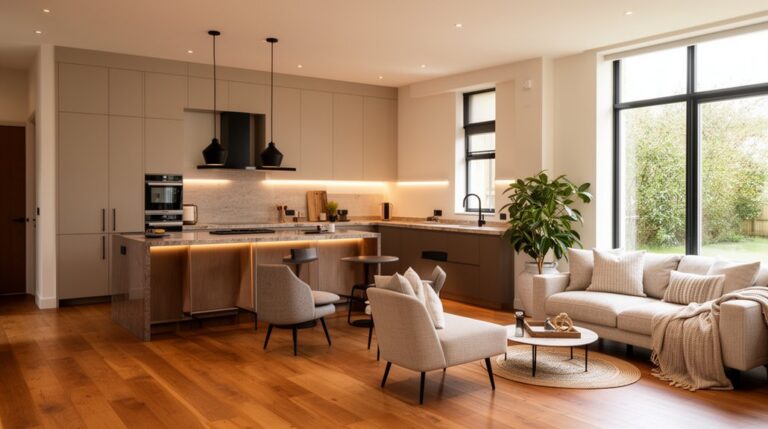
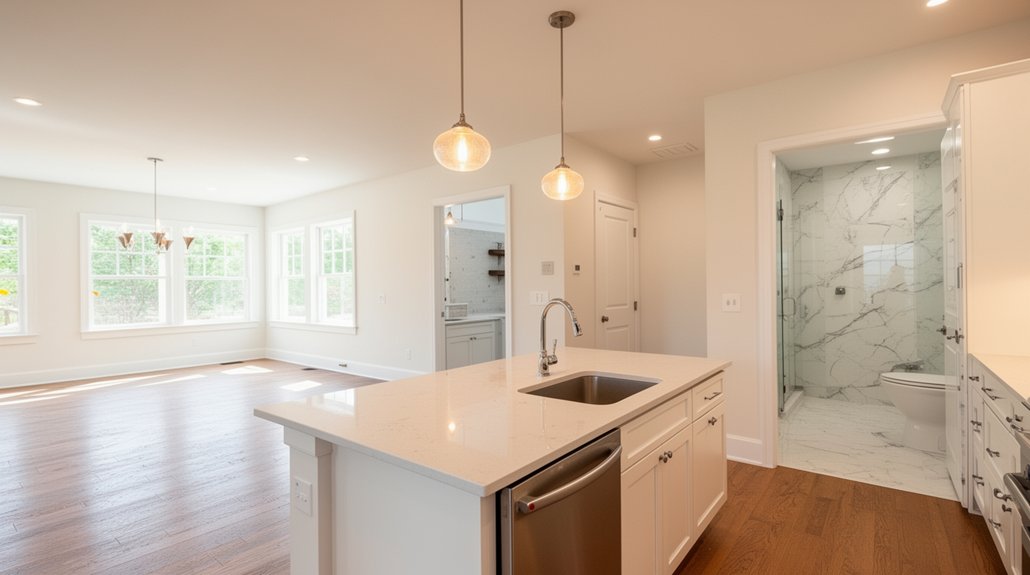
If you want stronger returns, you need to treat upgrades like investments, not personal preferences. Focus on projects that consistently lift resale price, shorten time on market, and match buyer demand in your area. Small, targeted improvements often outperform large, expensive renovations when you measure cost versus value added. The key is knowing which upgrades actually move the needle—and which quietly drain your margins.
Key Takeaways
- Kitchen and bathroom updates consistently deliver high ROI due to strong buyer demand and measurable resale value increases.
- Energy-efficient upgrades like insulation, HVAC improvements, and smart thermostats lower costs and attract cost-conscious buyers.
- Curb appeal enhancements, including exterior paint, landscaping, and entry upgrades, boost perceived value and shorten time on market.
- Flooring and surface updates with durable, neutral materials improve aesthetics while appealing to a broad range of buyers.
- Addressing structural and maintenance issues early preserves property value and prevents costly repairs that reduce overall investment returns.
How to Evaluate ROI on Home Upgrades

Before you budget for any upgrade, you need to quantify what you’ll realistically get back, not just what you’ll spend. You anchor decisions in data, not assumptions, using comparable sales, rental comps, and proven valuation methods.
Focus on marginal value added versus cost, and model best, base, and downside scenarios. Factor in investment timing, local demand cycles, and liquidity.
You’re part of a community of disciplined investors, so benchmark your estimates against recent deals and adjust quickly. Prioritize projects with clear buyer appeal, short payback periods, and measurable price premiums at exit.
Skip upgrades where returns hinge on taste or uncertain comps, and track results post-sale to refine your model. Over time, your accuracy compounds and your capital allocation gets sharper and more predictable.
Maintenance Fixes That Protect Property Value
You protect your home’s value by prioritizing fixes that prevent costly structural damage, since deferred maintenance can cut resale prices by double-digit percentages.
You should address plumbing issues and leaks early, as water damage is one of the most common and expensive inspection flags in today’s market.
You also keep HVAC systems efficient with regular servicing, because buyers factor energy costs and system age directly into their offers.
Prevent Costly Structural Damage
While cosmetic upgrades can boost appeal, neglected maintenance is what quietly erodes property value and drives expensive structural repairs. You protect returns by prioritizing foundation stability and targeted structural reinforcement before visible damage escalates.
Small cracks, shifting slabs, or uneven floors signal risk; addressing them early typically costs far less than major remediation. Market data shows buyers discount homes with structural concerns by significant margins, shrinking your exit options.
You should schedule routine inspections, seal vulnerabilities, and correct grading to manage moisture around load-bearing elements. Reinforcing beams, stabilizing soil, and updating supports extend asset life and preserve appraisal strength.
These disciplined fixes position your property within investor-ready standards, helping you compete confidently and maintain long-term value and reduce risk premiums in tightening lending environments.
Address Plumbing And Leaks
Although leaks often start small, they compound quickly into value-eroding damage, raising repair costs and triggering buyer skepticism during inspections. You protect returns by prioritizing plumbing maintenance and consistent leak detection across fixtures, supply lines, and hidden cavities.
Benchmark data shows unresolved leaks can inflate annual operating costs by 10–15% and accelerate material degradation. Act early: replace aging hoses, reseal joints, calibrate pressure, and install smart sensors that flag anomalies in real time.
Document repairs and warranties to reassure buyers and lenders, supporting smoother underwriting and stronger comps. Disciplined upkeep signals stewardship, reduces surprises at closing, and preserves valuation multiples in competitive markets.
Schedule quarterly inspections, test shutoff valves, and audit water bills for spikes so you catch issues before they erode NOI materially.
Maintain HVAC Efficiency
Because HVAC systems drive both operating costs and buyer perception, keeping them tuned and efficient directly protects asset value and NOI. You should schedule preventive maintenance twice yearly, replace filters quarterly, and seal ducts to cut energy loss by up to 20%.
Smart thermostats and commissioning reports help you verify performance and document savings for buyers and lenders. These steps extend HVAC lifespan, stabilize cap rates, and reduce surprise capital expenditures.
Prioritize coils, calibrated controls, and balanced airflow to improve indoor air quality and tenant retention. Keep service logs; they signal disciplined ownership and support higher valuations in competitive markets.
If systems are aging, plan phased replacements before failure to avoid vacancy, protect rent, and preserve underwriting assumptions, and keep insurance premiums in check.
Kitchen Renovations With the Highest ROI
How do you boost resale value without overcapitalizing on a kitchen? You focus on upgrades buyers consistently reward: midrange cabinets, durable quartz, and efficient layouts.
Data shows minor remodels recoup more than luxury overhauls, so you prioritize function and finish balance. Add Luxury appliances selectively, pairing one statement piece with reliable brands to signal quality without inflating costs.
Integrate Smart lighting to improve usability and perceived modernity, especially under-cabinet and task zones.
Stay aligned with your market’s price ceiling and comps. Neutral palettes, soft-close hardware, and energy-efficient fixtures appeal broadly and photograph well.
You’re not chasing trends; you’re matching expectations for your segment, ensuring your renovation feels current, cohesive, and competitively priced at resale.
Small, strategic updates typically outperform full gut jobs in ROI.
Bathroom Remodels That Add Real Value

You’ll see strong ROI when you prioritize high-impact fixture upgrades like modern vanities, water-saving toilets, and quality faucets that buyers notice immediately.
Pair those with contemporary tile and durable surfaces—think large-format tiles and quartz—that signal low maintenance and current design.
Add energy-efficient improvements such as LED lighting and low-flow showerheads, and you’ll cut operating costs while boosting buyer appeal in a value-conscious market.
High-Impact Fixture Upgrades
While full bathroom overhauls can be expensive, targeted fixture upgrades consistently deliver stronger returns per dollar by aligning with buyer expectations and appraisal standards. You improve perceived value quickly by replacing dated faucets, showerheads, and vanities with midrange, water-efficient models buyers recognize.
Updated lighting fixtures brighten spaces, photograph better, and influence online click-through rates, which drives showing volume. Stick to cohesive finishes—brushed nickel or matte black—to signal a curated, move-in-ready feel.
Swap old toilets for high-efficiency units to appeal to cost-conscious buyers and meet evolving codes. Coordinate these updates with overall curb strategy; even strong landscaping design reinforces quality signals across the property.
You’re not chasing luxury—you’re matching market comps, controlling costs, and positioning your asset to compete effectively at appraisal and resale today.
Modern Tile And Surfaces
Surfaces carry the visual weight once fixtures are updated, and buyers notice them immediately in photos and walkthroughs. You should prioritize Modern tile with clean lines, large formats, and neutral palettes that photograph well and signal move-in readiness.
Market data shows buyers discount dated grout patterns and mixed materials, but pay premiums for cohesive finishes. Choose porcelain or high-grade ceramic for Surface durability, low maintenance, and consistent resale appeal.
Extend the same tile from shower walls to floors to create perceived space and reduce visual breaks. Limit accent bands; instead, use niche detailing for subtle interest.
When you standardize materials across units or projects, you control costs, simplify installs, and present a unified, investor-savvy product buyers trust. This approach aligns with buyer expectations today.
Energy Efficient Improvements
How much value do energy-efficient upgrades really add in a bathroom remodel? You can expect measurable returns when you cut utility costs and signal modern efficiency to buyers.
Low-flow fixtures, LED lighting, and smart ventilation reduce bills immediately, while insulation upgrades prevent heat loss and moisture issues that erode value.
If your property already includes Solar panels, highlighting that integration strengthens your resale narrative and supports premium pricing.
You also align with market demand for sustainable living, which continues to influence appraisal adjustments and buyer decisions.
Focus on verifiable savings, durable materials, and code-compliant installs so your investment feels credible and competitive within your local investor cohort expectations today and positions your asset for stricter energy standards and future buyer preferences across markets nationwide.
Space-Adding Upgrades That Boost Value
Because buyers consistently pay a premium for usable square footage, space-adding upgrades tend to deliver some of the strongest returns when they’re aligned with market demand. You should prioritize smart space utilization, focusing on interior expansion that adds functional rooms without overbuilding.
Converting underused basements, attics, or garages into livable areas often yields higher ROI than full additions. In tighter markets, buyers reward flexible layouts like home offices or in-law suites, especially when permits and comps support the change.
You also reduce risk by matching upgrades to neighborhood norms and price ceilings. Track cost-per-square-foot against resale comps to confirm value creation.
When you expand thoughtfully, you don’t just add space—you strengthen liquidity and buyer appeal within your target segment more consistent demand across cycles.
Flooring and Paint Updates That Sell Homes
While buyers often focus on layout and space, updated flooring and new paint can shift perceived value faster than almost any other cosmetic upgrade.
You see measurable returns when you replace worn carpet with durable, mid-tone hardwood or high-quality LVP; national data consistently shows strong buyer preference and faster days on market.
Choose Sustainable materials to align with rising buyer expectations and reduce long-term maintenance costs.
Keep paint palettes neutral but warm, creating continuity across rooms and improving listing photos.
Strategic use of custom finishes—like accent walls or matte trims—adds distinction without overpersonalizing.
You’re not just revitalizing surfaces; you’re signaling care, efficiency, and move-in readiness, which helps your property compete and belong in higher-value buyer pools and capture stronger offers with fewer concessions overall.
Curb Appeal Changes That Increase Resale Price

You’ll boost perceived value quickly by upgrading your front entry—new door, hardware, lighting, and clear house numbers consistently rank among high-ROI fixes.
A fresh, market-aligned exterior paint scheme can lift buyer interest and reduce time on market, especially when colors match neighborhood comps.
Focus your budget where buyers form first impressions, because these visible changes often translate into stronger offers and fewer concessions.
Front Entry Enhancements
Although buyers often claim to focus on square footage and layout, listing data consistently shows that first impressions at the front entry can shift perceived value by several percentage points. You capture that lift by tightening Entry security, upgrading hardware, and layering tasteful decorative accents that signal care and belonging.
Install a solid door, smart lock, and well-lit path to reduce friction and risk. Add a clean mat, house numbers with strong contrast, and a cohesive mailbox to improve wayfinding. Keep sightlines open and clutter minimal so photos read clearly online.
In competitive markets, these low-cost moves routinely outperform larger projects on ROI, shortening days on market and supporting stronger offers. Buyers feel welcomed immediately, aligning your listing with neighborhood expectations and buyer confidence.
Exterior Paint Upgrades
Because exterior paint is one of the first signals buyers process—often within seconds—you can materially influence perceived value with a targeted refresh that aligns with current market palettes. You should choose color palettes that reflect neighborhood comps and recent sales data, favoring neutrals with contrast accents that photograph well online.
Coordinate exterior textures—siding, trim, masonry—so finishes read cohesive and maintained, reducing buyer uncertainty. Prioritize prep: cleaning, scraping, priming, and sealing; these steps extend lifespan and support higher appraisal outcomes.
Limit bold colors to doors or shutters to broaden appeal and minimize days on market. A disciplined paint upgrade can return strong ROI by boosting curb appeal and buyer confidence at listing.
Track local absorption rates and adjust timing to capture peak demand windows effectively.
Energy Upgrades That Save and Add Value
How much value can energy upgrades really add when buyers already expect efficiency? Market data shows you still gain measurable premiums when you target cost savings buyers can verify.
Start with insulation upgrades; sealing attics and walls often cuts energy use 10–20%, and appraisers increasingly note documented reductions.
Layer in renewable energy, especially modest solar systems, which can lift resale value while shortening time on market in energy-conscious regions.
You should also prioritize high-efficiency HVAC and windows where climate demands it, focusing on payback periods under seven years.
Keep documentation tight—utility bills, warranties, and permits—so buyers trust the numbers.
When your property demonstrates lower operating costs, you position it within a community of savvy, forward-looking homeowners who value resilience and predictable expenses today locally.
Smart Features Buyers and Renters Want
While buyers now expect baseline connectivity, you can still command stronger offers by installing smart features that clearly reduce friction and operating costs. Focus on upgrades tenants use daily and can quantify. Smart thermostats cut energy use by 8–15%, and remote scheduling lowers vacancy risk during turnovers.
Automated lighting improves security, trims utility bills, and supports showing-ready homes on demand. Add smart locks, leak sensors, and app-based monitoring to reduce maintenance calls and insurance claims. You signal professionalism and predictability—traits renters value and lenders underwrite.
Keep systems interoperable, easy to reset, and documented for handoff. When features save time, reduce surprises, and feel intuitive, you widen your renter pool and justify premium pricing without extended marketing time and improve tenant retention across competitive submarkets.
Home Upgrades With the Worst ROI
Smart features that lower costs and friction can lift returns, but plenty of popular upgrades do the opposite by overcapitalizing the property relative to its comps. You’ll see weak payback from luxury kitchens, high-end finishes, and overbuilt amenities in mid-tier neighborhoods.
Buyers anchor to nearby sales, so your premium rarely appraises. Garden landscaping beyond basic curb appeal often burns cash without lifting rents or sale price. Similarly, elaborate Interior lighting packages can date quickly and add maintenance costs.
Focus on what your submarket rewards: durable materials, neutral finishes, and code-compliant updates. If you can’t comp it, don’t build it; protect margin and stay aligned with buyer expectations.
Track days on market and price per square foot to validate decisions before committing capital at scale.
About the Author