If you’re restoring a Victorian terrace and replace the original timber sash windows with off-the-shelf uPVC, you can erase the very detail that gives the house its value. You need to weigh character, repairability, and heritage before you make a move, because the right choice isn’t always the obvious one. The real question is how far you can improve comfort without losing what makes the building worth saving.
Key Takeaways
- Original timber sash windows preserve a period home’s character, proportions, and architectural authenticity.
- Era-specific details like glazing bars, horns, and mouldings help maintain the building’s historical integrity.
- Repairing sash windows early prevents rot, draughts, rattles, and costly structural damage.
- Skilled conservation repair can improve performance with draught seals, secondary glazing, and restored mechanisms.
- Respecting original profiles and materials keeps restorations authentic, efficient, and visually consistent with the street.
Why Original Sash Windows Matter
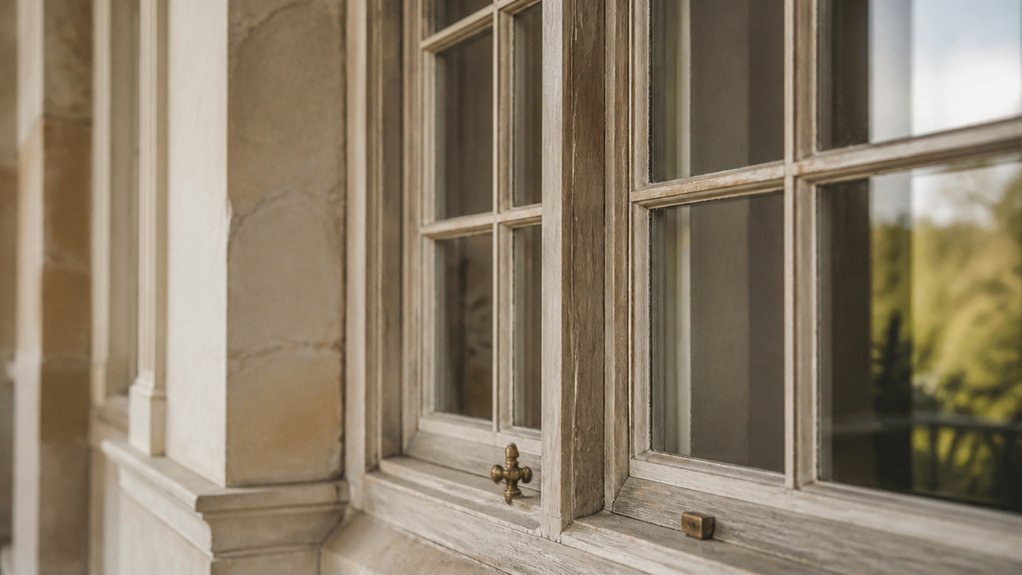
Original sash windows matter because they preserve the character, craftsmanship, and proportion that give a period home its identity. When you keep them, you protect more than timber; you protect the story your house tells and the standards that define good historical preservation.
Their slim profiles, balanced panes, and refined joinery keep your façade visually coherent, so the home feels authentic, not forced. You also maintain aesthetic integrity, which helps your restoration sit comfortably within its architectural context.
For you, that means choices that respect the original design while still supporting modern comfort. When you value these windows, you join a community of owners who understand that true period style comes from keeping what was made well, not replacing it needlessly.
Signs Your Sash Windows Need Repair
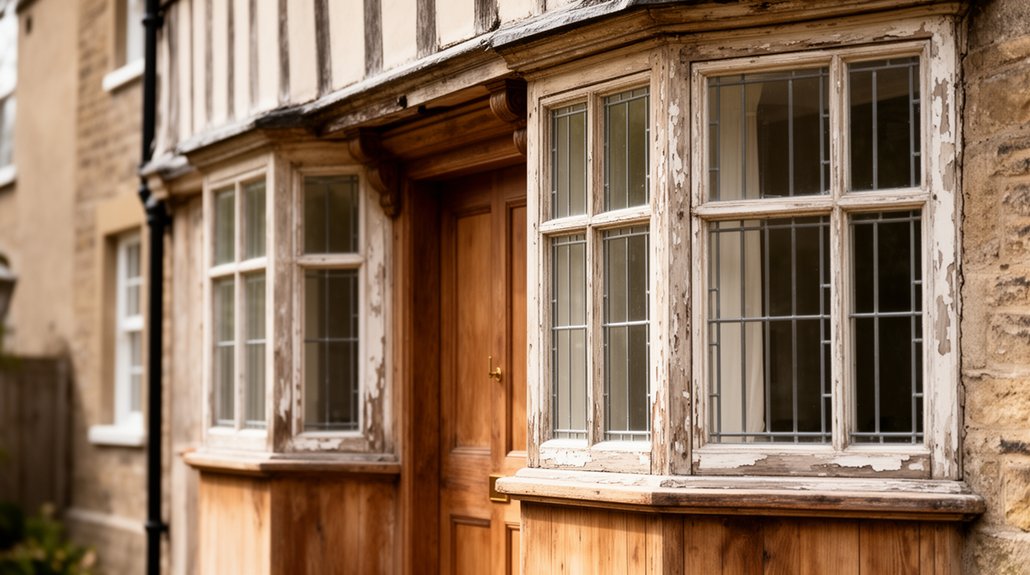
When timber sash windows start to stick, rattle, or refuse to stay open, they’re telling you something’s wrong. You might also notice draughts, chipped paint, softened timber, or gaps where the frame no longer meets cleanly. These aren’t just cosmetic issues; they affect comfort, security, and the historical significance of your home.
If the cords feel slack, the sashes sit unevenly, or condensation builds between panes, the windows need attention. You can keep the character you belong to while still allowing sensible modern adaptations that improve everyday use.
Look closely for decay at joints, moisture staining, and paint failure around exposed edges. The earlier you recognise these signs, the better you can protect the original fabric and preserve the elegance that defines period living.
How to Repair Timber Sash Windows
Start by evaluating the timber for rot, cracking, and soft spots, especially around joints, rails, and sill edges.
Once you’ve identified the damaged sections, remove only what’s failed and splice in sound timber or use a matching repair method that preserves the original frame.
Then restore the sash mechanisms so the weights, cords, pulleys, and stops move smoothly and the window opens and closes without binding.
Assessing Timber Damage
Before you repair a timber sash window, you need to assess exactly where the damage lies, because not every soft patch or split rail means the whole sash is beyond saving. Check the timber with a probe, looking for rot, previous filler, and hidden decay around joints, meeting rails, and lower corners.
If the wood still holds its shape, you can often retain it, protecting historical accuracy and material preservation. You’ll make better decisions when you separate cosmetic wear from structural failure, since preservation starts with honest diagnosis.
Photograph each defect, note moisture sources, and judge whether localised repair will keep the sash sound. By reading the timber carefully, you respect the building’s original fabric and avoid unnecessary replacement, which helps your period home stay authentic and dependable.
Restoring Sash Mechanisms
Once you’ve confirmed the timber is sound enough to keep, you can turn to the sash mechanism itself, where worn cords, seized pulleys, broken staff beads, and out-of-balance weights often cause the real frustration.
You’ll repair these parts one by one, removing paint build-up, freeing pulleys, and replacing cords with durable braided lines that match the original setup. Rebalance the sashes so they glide smoothly without strain, and renew beads or linings where they’ve split.
If the window needs extra ease, choose modern innovations like discreet low-friction pulleys or concealed draft seals, but keep them reversible. That way, you protect historical authenticity while making everyday use easier.
When you restore the mechanism properly, you’re not just fixing a window—you’re preserving the craft your home still belongs to.
How to Improve Efficiency Without Replacing Them
You don’t need to replace original timber sash windows to make them perform far better; in many period homes, the biggest gains come from careful repair, draught-proofing, and sympathetic upgrades.
You can start by tightening loose joints, renewing putty, and fitting discreet brush seals that reduce air leakage without changing the profile you love.
Add secondary glazing where appropriate, and you’ll improve comfort, cut noise, and lift energy ratings while preserving authentic sightlines.
If your home needs modern insulation, pair it with properly balanced windows so rooms feel warmer and less temperamental through the seasons.
When Sash Window Replacement Makes Sense
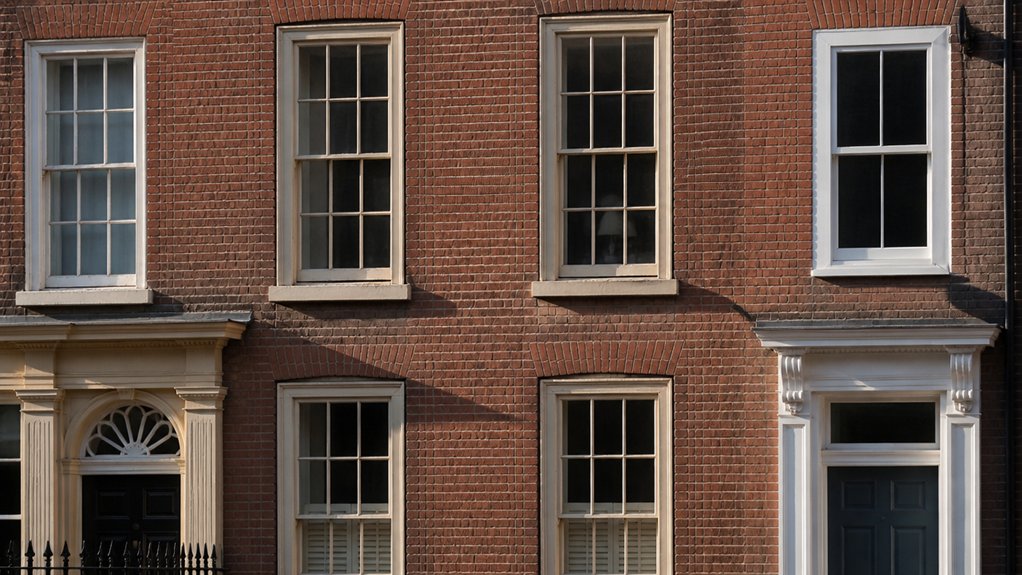
Replacement makes sense when the timber is beyond economical repair, or when defects are so widespread that patching would only delay the inevitable. You should also consider it after repeated failures of joints, cords, or frames have made reliable operation impossible.
In those cases, you’re not giving up on a period home; you’re making a measured decision that protects the rest of the building. Choose replacement when modern materials deliver better durability, lower maintenance, or stronger energy solutions than the existing sash can realistically provide.
You’ll get the best result when the new units suit the house’s age, proportions, and performance needs. That way, you stay part of the community of careful homeowners who restore with judgement, not sentiment alone.
How to Protect Period Window Character
Preserving period window character starts with keeping the proportions, profiles, and detailing that give original sash windows their visual weight. You should repair, not replace, wherever possible, because each retained rail, stile, and glazing bar supports historical authenticity.
Use matching timber sections, fine joinery, and traditional putty lines so the window still reads as part of the original house. Avoid heavy modern fittings that crowd the frame or alter sightlines.
Prioritise material preservation by fixing decay early, consolidating sound timber, and repainting with breathable finishes that protect without masking detail. When you respect the original shape and finish, you keep the elegance that draws people to period homes in the first place.
That care helps your restoration feel confident, coherent, and genuinely rooted.
Choosing a Sash Window Specialist
When you choose a sash window specialist, start by checking their timber expertise and hands-on experience with historic joinery.
You should also confirm they understand period accuracy, from profiles and glazing details to traditional hardware.
Finally, verify that their repair methods prioritize conservation over replacement, so your windows keep their original character and performance.
Assessing Timber Expertise
Choosing the right sash window specialist starts with judging their timber knowledge, not just their sales pitch. You need someone who can read the grain, spot moisture damage, and explain repair options with confidence.
Ask how they handle splicing, draught proofing, and surface preparation on old hardwoods and softwoods. A skilled craftsperson will discuss modern materials only where they support durability, not replace character, and they’ll treat aesthetic integration as part of the job, not an afterthought.
You want clear evidence of workshop experience, tidy joinery, and a respect for original profiles. When they speak your language, you can feel you’re in capable company, working with a specialist who understands the home you’re safeguarding.
Checking Period Accuracy
How do you know a sash window specialist can match your home’s period details as well as fix its timber? You ask for examples from homes built in your era and compare mouldings, glazing bars, horns, and profiles against your own windows.
A true specialist will notice the small differences that define Georgian, Victorian, or Edwardian character, and they’ll explain what should stay untouched. They won’t push Modern materials as a default; instead, they’ll show where discreet updates can support Energy efficiency without erasing authenticity.
You should feel confident that their work belongs in your street and respects your neighbours’ standards. When their recommendations sound precise, era-aware, and measured, you’re likely speaking to someone who understands period accuracy, not just joinery.
Verifying Repair Methods
Even if a specialist can match the right period details, you still need to confirm they’ll repair your sash windows properly. Ask exactly how they approach decay, draughts, broken cords, and warped timber. You want a craft-led repair plan, not a blanket replacement.
Look for evidence that they use modern techniques where they improve durability without compromising authenticity. Ask about material sourcing too: quality hardwood, matching profiles, and responsible suppliers all matter.
A reliable specialist should explain each step clearly, show before-and-after examples, and tell you when conservation, not substitution, is the right choice. That transparency helps you compare firms with confidence and join the homeowners who protect original character while securing lasting performance.
About the Author