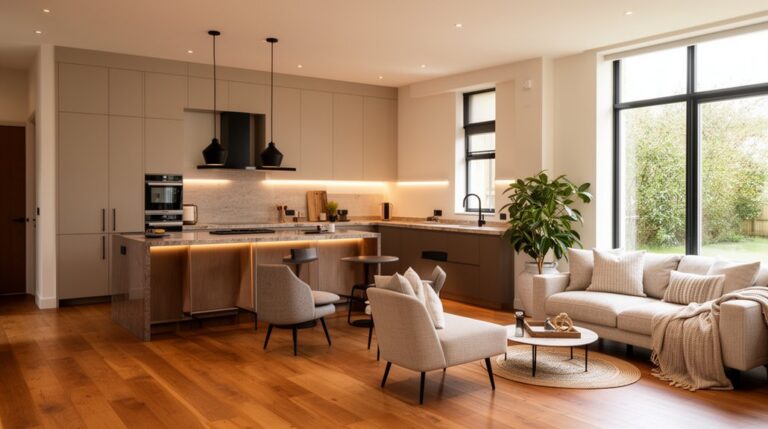
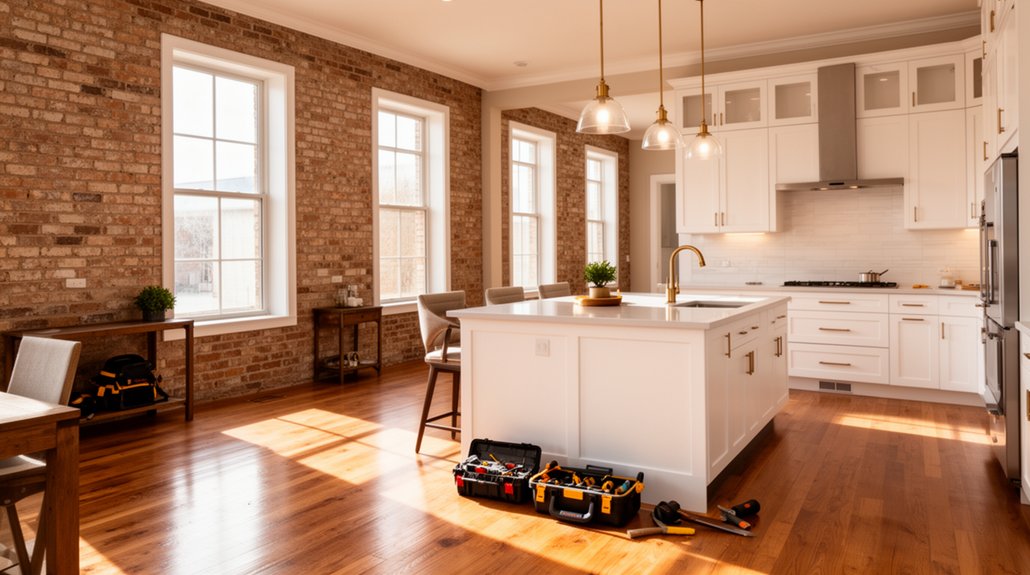
When you renovate an older home for resale, you can’t afford guesswork; every dollar needs to work harder. You’ll want to protect what buyers love—character, proportions, and craftsmanship—while upgrading what they won’t tolerate, like outdated kitchens or inefficient systems. The challenge is knowing where value actually shifts in your market, and where it quietly disappears, which is where most renovations go wrong…
Key Takeaways
- Prioritize high-impact upgrades like kitchens, bathrooms, and essential systems to maximize buyer appeal and return on investment.
- Sequence renovations properly by fixing structural, electrical, and plumbing issues before cosmetic improvements to avoid costly rework.
- Align upgrades with neighborhood comps to prevent overcapitalization and ensure finishes match local buyer expectations.
- Preserve original character features like hardwood floors and moldings while updating with subtle, period-appropriate finishes.
- Boost curb appeal and efficiency with landscaping, exterior updates, and energy-saving improvements that attract buyers and reduce long-term costs.
Where to Invest First in Older Home Renovations
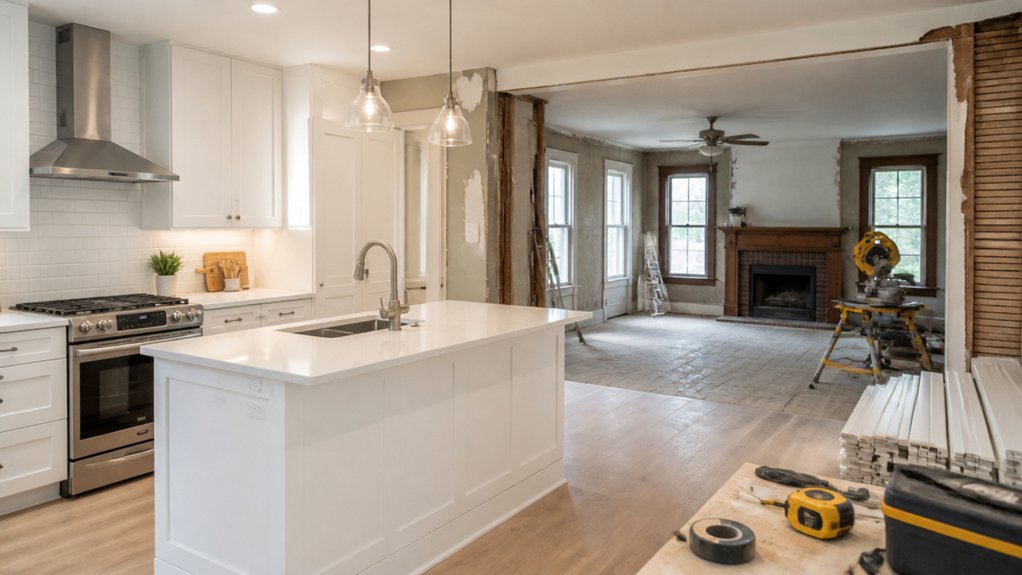
Start by targeting upgrades that buyers notice immediately and that deliver the highest return per dollar—typically kitchens, bathrooms, and structural essentials.
In older homes, you’ll gain traction by stabilizing what’s behind the walls before chasing finishes. Prioritize structural reinforcement, electrical updates, and plumbing reliability; buyers expect safety and predictability.
If your property carries character, lean into historical preservation, but keep interventions cost-aware so authenticity doesn’t inflate budgets.
Focus on visible integrity—level floors, tight windows, dry basements—signals that reduce perceived risk. You want buyers to feel they’re joining a well-cared-for home, not inheriting problems.
Sequence work to prevent rework, and track costs against neighborhood comps so every dollar aligns with market expectations.
Keep permits, inspections, and documentation organized to reassure cautious buyers and appraisers alike.
Highest ROI Renovations for Older Homes
Focus your budget on updates buyers value most, starting with kitchens and bathrooms where modern finishes and efficient layouts can justify higher offers.
Boost curb appeal with low-cost, high-impact changes like fresh paint, landscaping, and a clean entry to strengthen first impressions.
Prioritise energy efficiency upgrades—insulation, windows, and efficient systems—since buyers factor long-term running costs into what they’ll pay.
Kitchen And Bath Upgrades
Because buyers scrutinize kitchens and bathrooms more than any other rooms, targeted upgrades here tend to deliver the strongest return on investment. Focus on cost-smart improvements that respect historic preservation while aligning with current interior design trends.
You don’t need full gut renovations; refacing cabinets, updating hardware, and installing durable, midrange countertops can shift perception quickly.
In baths, prioritize new fixtures, efficient lighting, and fresh tile in neutral palettes buyers recognize. Keep layouts functional to avoid expensive plumbing moves.
Choose finishes that feel cohesive with the home’s era so you attract buyers seeking character and belonging. Invest where it shows: surfaces, lighting, and storage.
Skip over-customization, track comparable sales, and price your upgrades to match neighborhood expectations for maximum resale impact and appeal broadly.
Curb Appeal Improvements
After upgrading kitchens and baths, the next gains often come from what buyers see before they step inside. You don’t need luxury; you need clean, cared-for signals that fit your neighborhood.
Start with garden landscaping: trim overgrowth, edge paths, add mulch, and plant low-maintenance color that photographs well. Refresh paint on the front door, repair siding, and replace dated hardware for a modest spend that buyers notice.
Layer in exterior lighting to highlight the entry and improve evening showings without major cost. Clean driveways, update house numbers, and make certain the mailbox matches the home’s style.
These small, market-smart upgrades help your home feel welcoming and competitive, so buyers can picture themselves belonging there from the curb. Prioritize maintenance first; deferred fixes kill first impressions.
Energy Efficiency Enhancements
Where do you get the biggest return for every dollar spent on an older home? Energy efficiency upgrades consistently outperform cosmetic fixes because buyers expect lower running costs.
You can start with insulation, air sealing, and efficient windows; they’re relatively affordable and immediately reduce bills. Add smart thermostats to show modern control and data-driven savings buyers recognize.
If your budget allows, solar panels can differentiate your listing and signal long-term value, especially in energy-conscious markets. Keep documentation of utility savings to support your asking price.
Focus on upgrades with quick payback periods and visible impact. When you present a home that’s cheaper to run, you’re speaking directly to what today’s buyers care about: predictable costs, comfort, and responsible ownership in your local market today.
Upgrade Kitchens and Bathrooms for Resale Value
While cosmetic fixes can help, upgrading kitchens and bathrooms typically delivers the strongest return because buyers price these spaces heavily into their offers. Focus your budget where it shows: cabinets, countertops, lighting, and water-efficient fixtures. You don’t need luxury brands; you need durability, clean lines, and finishes that photograph well.
Think classic color schemes that appeal to most buyers and make spaces feel larger. If you keep any vintage fixtures, guarantee they’re restored, functional, and paired with modern conveniences. Replace worn flooring, regrout tile, and update hardware for a cohesive look.
In competitive markets, move-in-ready kitchens and baths reduce negotiation and time on market, helping you capture stronger offers without over-improving beyond neighborhood expectations. Price wisely and track comparable sales to guide each upgrade.
Keep Original Charm While Updating Key Features
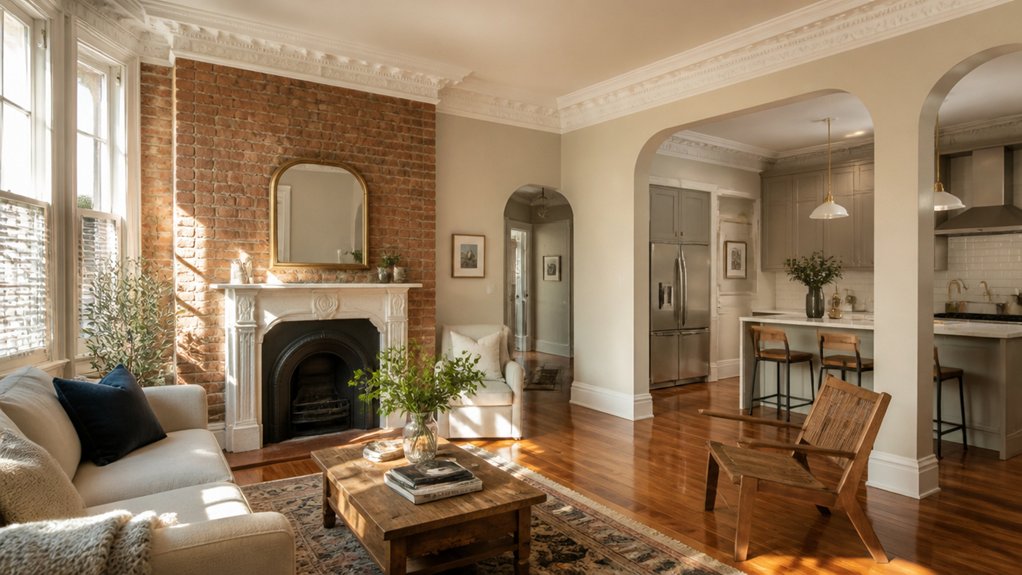
Although buyers expect modern comfort, you’ll protect—and often boost—value by preserving the home’s original character where it still adds appeal. Keep hardwood floors, trim, and period windows if they’re sound; repair, refinish, and reglaze before replacing.
Blend updates with aesthetic consistency by matching profiles, finishes, and hardware across rooms. Use historical preservation guidelines to prioritize features buyers recognize—mantels, built-ins, moldings—and document work to justify pricing.
Swap dated fixtures for classic designs, upgrade layouts subtly, and hide modern systems so sightlines stay authentic. Budget for selective restoration; targeted dollars here return more than wholesale replacements that erase identity.
Buyers pay premiums for homes that feel rooted yet refreshed, so you’ll compete strongly in character-driven neighborhoods. Focus on details; they signal care and justify higher offers.
Energy Efficiency Upgrades for Older Homes
After preserving character, turn to upgrades that cut operating costs and improve comfort without undercutting resale appeal. Start with insulation in ceilings, walls, and under floors; it delivers immediate savings buyers recognize.
Seal drafts, upgrade to double glazing where streetscape allows, and switch to efficient heat pumps. Smart thermostats help you control usage and signal modern living to buyers.
Consider Solar panels if orientation and local incentives stack up; they reduce bills and strengthen market appeal. Replace old hot water systems with efficient electric or solar options, and choose LED lighting throughout.
Keep documentation of improvements, as buyers value proof of lower running costs and easier ownership within a like-minded community. Focus on upgrades with clear payback to align with local buyer expectations today.
Avoid Overcapitalising When Renovating Older Homes
You need to set realistic budget limits so your renovation costs don’t outstrip what buyers in your area will pay. Keep a close eye on neighbourhood values and avoid upgrades that push your home beyond the local price ceiling.
Focus your spend on high-return improvements that buyers notice and value, so every dollar works toward a stronger resale outcome.
Set Realistic Budget Limits
Before committing to any upgrades, set a firm budget that aligns with local resale values rather than personal taste. Start with clear Budget planning and disciplined renovation planning so every dollar supports resale outcomes.
Price materials and labor using current quotes, then add a contingency buffer of 10–15 percent for surprises common in older homes.
Prioritise structural fixes and high-impact areas like kitchens and bathrooms, and cap cosmetic upgrades that won’t return value.
Track spend weekly, compare against your budget, and adjust scope early to stay within limits. This keeps your project competitive and financially sound, helping you avoid overcapitalising while still delivering a finish buyers expect.
Stick to comparable sales data when making trade-offs, and resist upgrades that inflate costs unnecessarily.
Match Neighbourhood Values
Although it’s tempting to add high-end finishes, align your renovation scope with the ceiling price of comparable homes on your street so you don’t outspend the market. Study recent sales and neighborhood trends to gauge buyer expectations and price limits.
Respect the home’s historical significance while keeping upgrades in step with nearby properties. If you overshoot, you risk pricing beyond local demand and shrinking your buyer pool.
Aim for consistency that helps your home feel like it belongs. Compare finishes, layouts, and curb appeal with similar listings so your spend reflects what buyers already value.
Staying market-aligned protects resale and keeps your investment disciplined. It also reassures buyers seeking familiarity within the area, strengthening perceived value without unnecessary expense or risk overall.
Prioritise High-Return Upgrades
When budgets are finite, every dollar should target upgrades that buyers consistently pay for rather than personal preferences. Focus on kitchens and bathrooms where returns are measurable, but keep finishes aligned with neighbourhood expectations to avoid overcapitalising.
Respect Historic preservation, retaining character features that signal authenticity while upgrading functionality.
Improve Interior lighting with layered, energy-efficient solutions that brighten rooms and photograph well. Choose durable materials, neutral palettes, and modest layouts that appeal broadly to buyers like your neighbours.
Track comparable sales, set a cap on spend, and prioritise upgrades with clear ROI so you belong within the market range. Avoid niche luxuries and over-customisation that shrink your buyer pool; invest in systems, insulation, and compliance that reduce risk and ownership costs for future owners.
Pre-Sale Checks That Maximise Renovation ROI
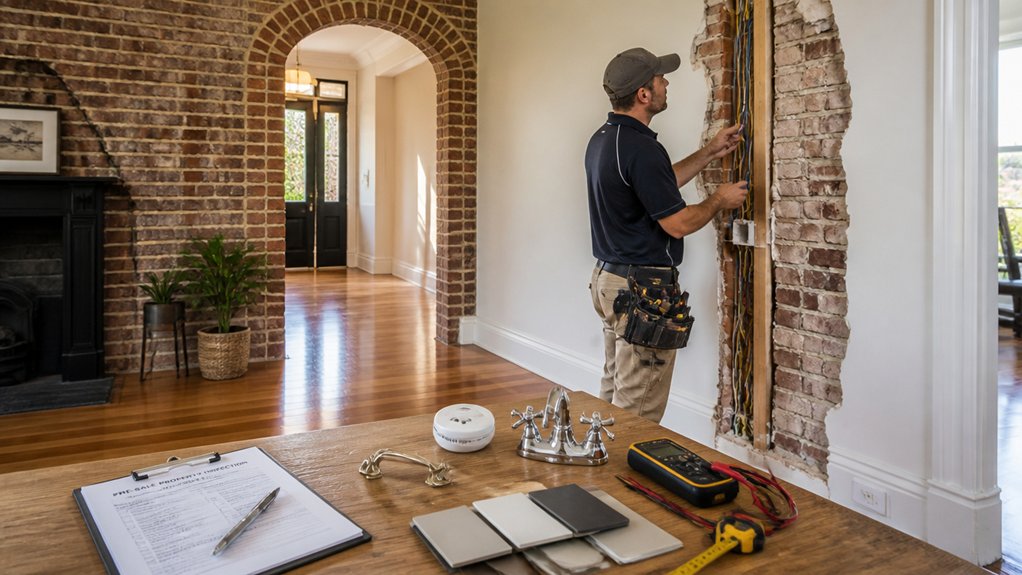
If you want your renovation budget to translate directly into a higher sale price, you need to validate every planned upgrade against current market expectations.
Start with inspections that confirm structural integrity and flag hidden costs before they erode your margin.
Align changes with local buyer demand, not personal taste, and respect historical preservation where it adds credible value.
Review recent comps, agent feedback, and days-on-market data to prioritise fixes buyers actually pay for.
Check permits, code compliance, and warranties so nothing delays closing or triggers renegotiation.
Price out finishes at multiple tiers, then choose the level that matches neighbourhood standards.
When your decisions mirror what informed buyers expect, you protect your spend and strengthen your negotiating position during appraisal and final buyer inspections.
About the Author