You can’t wait for obvious damage before you act. Small cracks, peeling paint, loose siding, and clogged gutters often point to bigger problems hiding beneath the surface. If you ignore roof leaks, failing seals, or foundation shifts, repairs get harder and more expensive fast. The smart move is to catch these issues early, but knowing which ones demand attention first can make all the difference.
Key Takeaways
- Inspect for exterior damage early, including peeling paint, cracks, loose trim, gaps, and standing water.
- Prioritise roof and gutter repairs to prevent leaks, water backup, and foundation damage.
- Fix damaged siding and peeling paint quickly to protect against moisture, pests, and drafts.
- Address foundation issues like stair-step cracks, uneven floors, and sticking doors as soon as they appear.
- Use professional repairs when problems worsen to protect safety, preserve curb appeal, and avoid costly damage.
Early Signs of Exterior Damage

Small exterior problems often show up long before serious damage sets in, so you need to spot them early. Walk your property often and look for peeling paint, cracked siding, loose trim, and gaps around windows. Check for standing water, shifted pavers, and uneven soil near your foundation. These clues can point to moisture issues or settling that need prompt attention.
Keep up with driveway maintenance by sealing cracks and clearing debris before they spread. In your garden landscaping, watch for eroded edges, broken borders, and plants crowding hard surfaces. When you catch these signs early, you protect your home, save money, and stay in control.
You’ll also fit right in with neighbours who keep their exteriors sharp and cared for.
Why Roof Repairs Come First
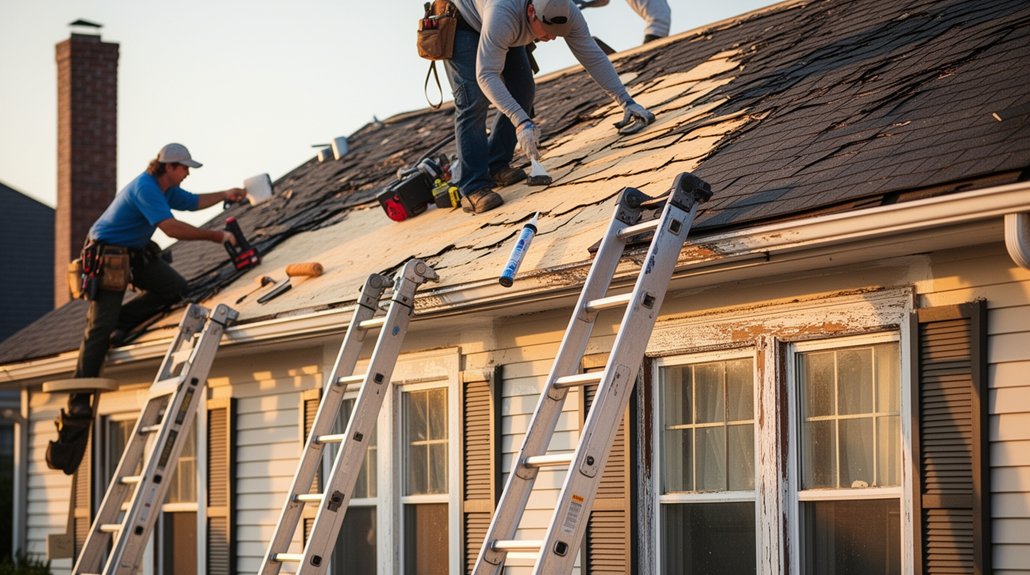
You should put roof repairs first because a small leak can quickly lead to costly water damage inside your home.
A sound roof also protects the structure from rot, mold, and other long-term problems.
When you fix roof issues early, you can also improve insulation and keep your energy bills in check.
Leak Prevention
When leaks start, roof damage usually spreads fast, so roof repairs should be your first priority. You can’t stop moisture with wishful thinking; you need quick fixes at the first sign of a stain, drip, or missing shingle. Act before water reaches insulation, ceilings, or walls.
A tight roof also protects the curb appeal you’ve built through landscaping aesthetics and exterior lighting, keeping your home looking cared for and welcoming. Check flashing, seal gaps, clear gutters, and replace damaged materials without delay.
If you stay ahead of leaks, you’ll avoid messy surprises and keep your neighbors seeing a home that fits right in. Prioritizing roof repairs now helps you protect your property, your routine, and the sense of pride that comes with a well-kept exterior.
Structural Protection
Roof repairs come first because the roof protects every other part of your home’s structure from water, wind, and shifting temperatures. When you delay repairs, you let damage spread to framing, walls, and the spaces that keep your home stable.
You belong to a smarter group of homeowners when you act early and protect the whole structure, not just the surface. Check for missing shingles, sagging areas, and damaged flashing after storms.
If your home shows movement or cracking, pair roof work with foundation reinforcement and, where needed, seismic retrofitting. These repairs work together to keep your home aligned, secure, and resilient.
Don’t wait for a small weakness to become a structural failure that costs far more than timely roof maintenance.
Energy Efficiency
A sound roof doesn’t just protect your home from weather; it also helps control heating and cooling costs. When shingles fail, insulation gets wet, air leaks grow, and your HVAC system works harder. Fix roof damage first, and you’ll feel the difference in comfort and monthly bills.
If you plan to add solar panels, a solid roof gives you a dependable base and avoids costly removal later. Good roofing also protects nearby exterior upgrades, including landscaping improvements, from runoff and moisture damage.
You don’t need to do everything at once, but you do need to prioritize the repairs that save energy and prevent waste. Start at the top, and you’ll make smarter, more efficient choices for the rest of your home.
How Clogged Gutters Damage Your Home
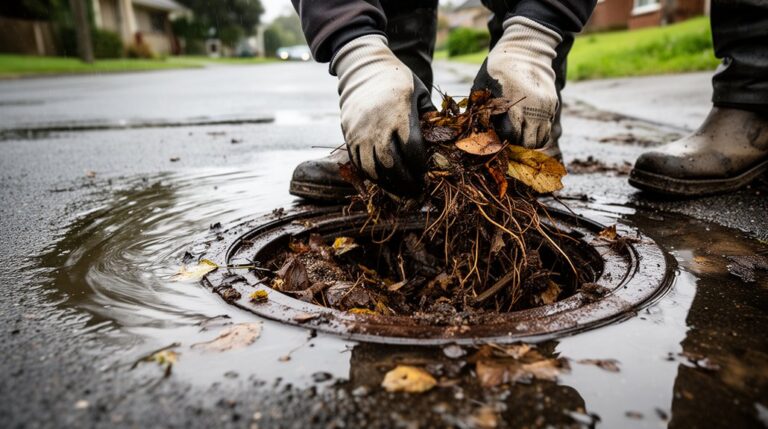
Clogged gutters can cause serious damage fast because they stop rainwater from flowing away from your home. When water backs up, it can overflow onto your roofline, soak fascia, and pool near your foundation.
You also invite rot, leaks, and costly repairs that could’ve been prevented with routine gutter cleaning and debris removal. Stay ahead by checking gutters after storms and clearing leaves, twigs, and grit before they build up.
If water spills over the edges, your home’s exterior is already under stress. Keeping gutters clear helps protect the structure you’ve worked hard to build and keeps your place looking cared for, secure, and ready for every season.
When to Fix Cracked or Loose Siding
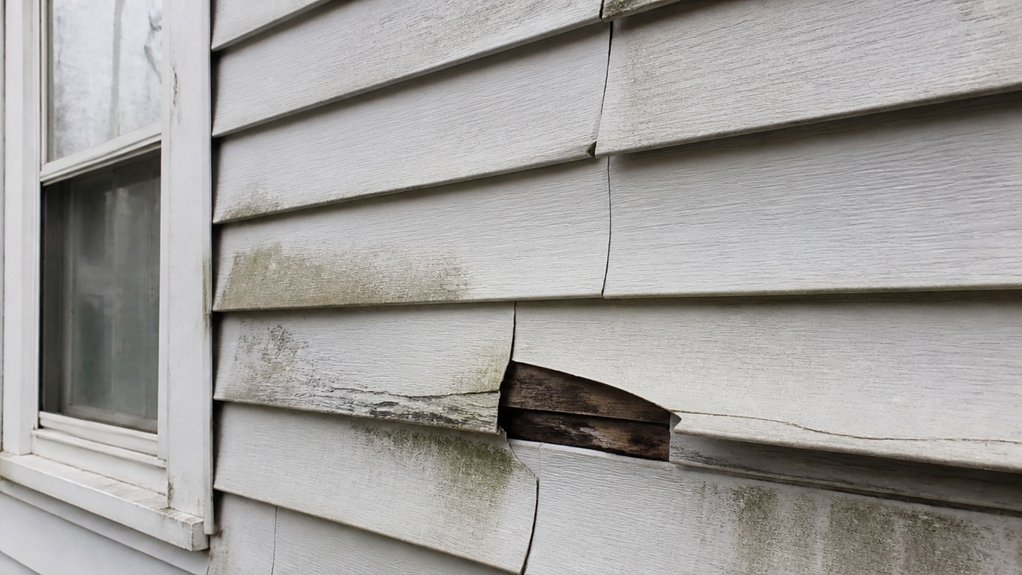
Loose siding needs attention as soon as you spot it, because gaps and cracks let water, pests, and drafts reach the layers underneath. You should act quickly after storms, freeze-thaw cycles, or any impact that leaves panels shifting or split.
Check seams, corners, and any area that feels soft or moves when you press it. Match your fix to the siding material, since vinyl, wood, fiber cement, and metal each need a different repair approach.
Small problems can grow fast, and waiting usually raises the repair cost. If you see repeated loosening, call a pro before the damage spreads.
When you keep siding tight and sound, you protect your home, stay ahead of bigger bills, and keep your property looking cared for.
Why Peeling Paint Needs Fast Attention
Peeling paint isn’t just a cosmetic issue; it lets moisture reach the surface beneath and can quickly lead to damage.
Once water gets in, wood rot can spread and weaken trim, siding, and other exterior parts.
You should fix peeling paint fast to stop small problems from turning into costly repairs.
Moisture Damage Risks
When exterior paint starts to lift, moisture can get into the surface beneath it and begin causing damage you may not see right away. You need to treat peeling as a warning, not a cosmetic flaw.
Water can seep behind the finish, weaken protective layers, and create conditions that spread deeper across your exterior. If you act quickly, you help preserve moisture barriers and keep your home’s envelope doing its job.
Check for leaks, seal gaps, and improve humidity control around enclosed spaces near the affected area. In a well-kept home, these small steps protect the whole structure and help you stay ahead of bigger repairs.
Make it part of your routine, and you’ll keep your place stronger, cleaner, and ready for the seasons.
Wood Rot Spread
Left unchecked, failing paint can let moisture settle into exposed wood and start rot that spreads fast. You might think it’s just a cosmetic issue, but peeling paint often signals deeper trouble.
Once water enters, wood decay weakens trim, siding, and window frames, and fungal growth can move through damp areas quickly. If you belong to a neighborhood of well-kept homes, you know these details matter: they protect curb appeal, structure, and resale value.
Inspect problem spots after storms, scrape loose paint, dry the surface, and seal gaps right away. If the wood feels soft or crumbles, call a pro before the damage spreads.
Fast action keeps small repairs small and helps your home stand strong for years.
When to Replace Window and Door Seals
If you notice drafts, rising energy bills, or water sneaking in around your windows and doors, it’s time to inspect the seals. Check window seals and door seals for cracking, shrinking, peeling, or gaps that let air move freely. If you feel a temperature change near the frame, the seal’s likely failing.
You should also replace seals when you see condensation between panes, musty odors, or light showing through edges at night. Don’t wait for bigger damage; worn seals strain your comfort and your budget.
Replacing them early helps your home stay efficient, dry, and secure, and it keeps your exterior in good shape. If you’re unsure, ask a trusted pro to assess the caulk and weatherstripping before small problems spread.
How to Spot Foundation Problems
Foundation problems often start with small signs you can catch early if you know what to look for. Walk around your home and check for cracks in brick, stucco, or drywall, especially stair-step patterns and gaps around windows or doors.
You may notice sloping floors, doors that stick, or trim that pulls away from walls. Look for uneven patios, separated steps, and soil that has shifted near the base of your house.
A careful Foundation inspection helps you compare changes over time and spot trouble before it spreads. Pay attention after heavy rain or dry spells, since soil stability can change fast and stress the structure.
When you notice several warning signs together, you’re not being alarmist—you’re protecting the home you belong in.
When to Call an Exterior Repair Pro

Once you’ve spotted warning signs like cracking, shifting, or sticking doors, don’t wait to see whether they get worse. Call an exterior repair pro when damage affects structure, drainage, siding, roofing, or trim, or when repairs need permits, specialty tools, or working at height.
You’ll protect your home faster, avoid costly mistakes, and keep your place safe for everyone who lives there. Bring in help if leaks return, masonry loosens, or rot spreads around windows and fascia.
A pro can also correct issues that hurt landscaping aesthetics or block exterior lighting, making your home look cared for and feel welcoming. When the fix is beyond a weekend skill set, trust a local expert who knows your neighborhood standards and can restore your home with confidence.
About the Author