Are the most urgent home repairs really the ones that save you the most later? You need to start with safety risks first: broken locks, loose railings, damaged steps, leaks, drafts, faulty wiring, and worn roofing can quickly turn into bigger, costlier problems. Fixing these essentials now protects your home, lowers waste, and keeps small issues from becoming major damage.
Key Takeaways
- Fix urgent safety hazards first: broken locks, loose railings, damaged steps, blocked exits, and missing smoke alarms.
- Inspect plumbing for leaks, drips, rust, and pooling water, and repair them quickly to prevent costly damage.
- Seal drafts and improve insulation around windows, doors, attics, and crawl spaces to reduce energy loss.
- Address electrical warning signs like flickering lights, warm outlets, tripped breakers, and frayed cords immediately.
- Repair exterior issues such as missing shingles, clogged gutters, damaged siding, and roof leaks to protect the home.
Start With the Most Urgent Home Repairs
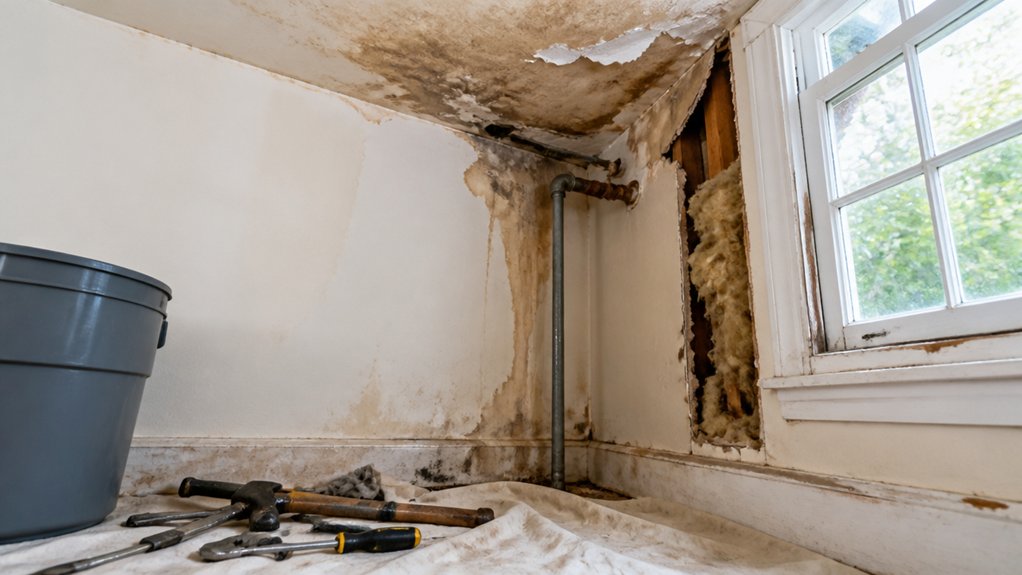
Before you tackle cosmetic fixes, start with the repairs that protect your home and your safety. Walk through your house and look for hazards that can injure you, damage your property, or slow your response in a crisis. Fix broken locks, replace missing smoke alarms, secure loose railings, and repair damaged steps or walkways.
Check your electrical system for exposed wires, tripped breakers, or outlets that feel warm, and call a pro if needed. Clear blocked exits, label shutoffs, and keep flashlights and batteries ready.
These actions strengthen home safety and support emergency preparedness, so your household can respond with confidence. If you live with family, make sure everyone knows the plan and shares responsibility.
Fix Plumbing Leaks Before They Spread
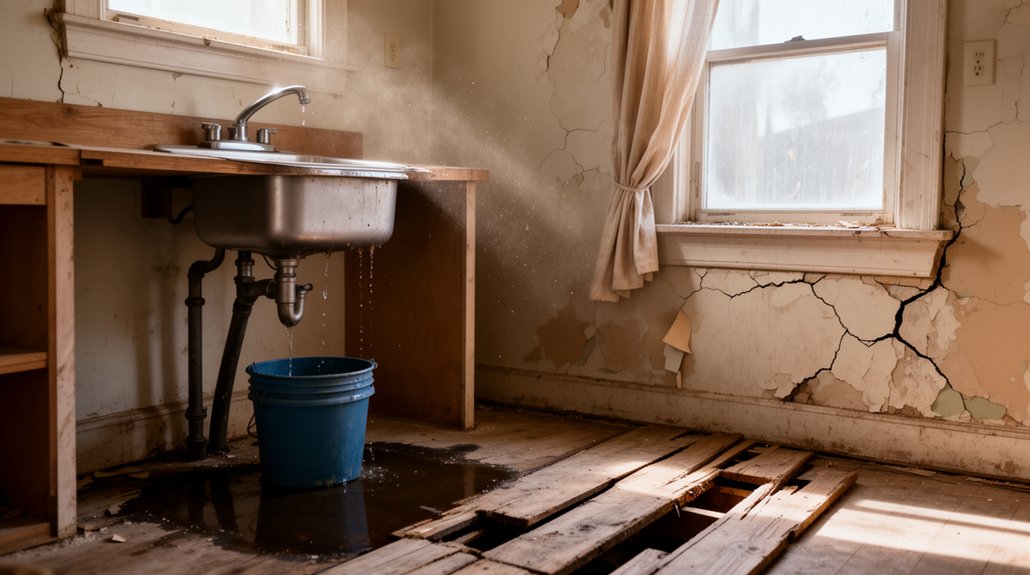
Even a small leak can turn into major damage fast, so check every sink, toilet, shower, appliance connection, and exposed pipe for drips, stains, rust, or pooling water. Tighten loose fittings, replace worn washers, and shut off the water before you test anything.
If you spot a steady drip, act now instead of waiting for a bigger repair bill. Watch your water pressure, because sudden drops or spikes can signal hidden trouble inside the line.
Wrap exposed pipes with pipe insulation to help prevent condensation and freezing-related cracking. You don’t need to fix everything alone, but you do need to stay alert and respond quickly.
When you handle leaks early, you protect your home, keep your household running smoothly, and stay part of the group of homeowners who get ahead of problems.
Seal Drafts and Improve Home Insulation
Once you’ve handled leaks, turn to the gaps that let air slip in and out of your home. You can tighten comfort fast by finding drafts around windows, doors, attic hatches, and utility openings.
Start with simple window sealing: add weatherstripping, caulk small cracks, and replace worn thresholds.
Then check your attic and crawl spaces for thin or missing insulation, since those areas often waste the most energy. Smart insulation upgrades help your home hold heat in winter and cool air in summer, so your family feels settled and protected.
Use foam sealant for larger gaps, but follow product directions closely.
When you seal drafts early, you lower bills, reduce strain on HVAC equipment, and make your home feel more welcoming for everyone inside.
Repair Electrical Hazards and Faulty Wiring
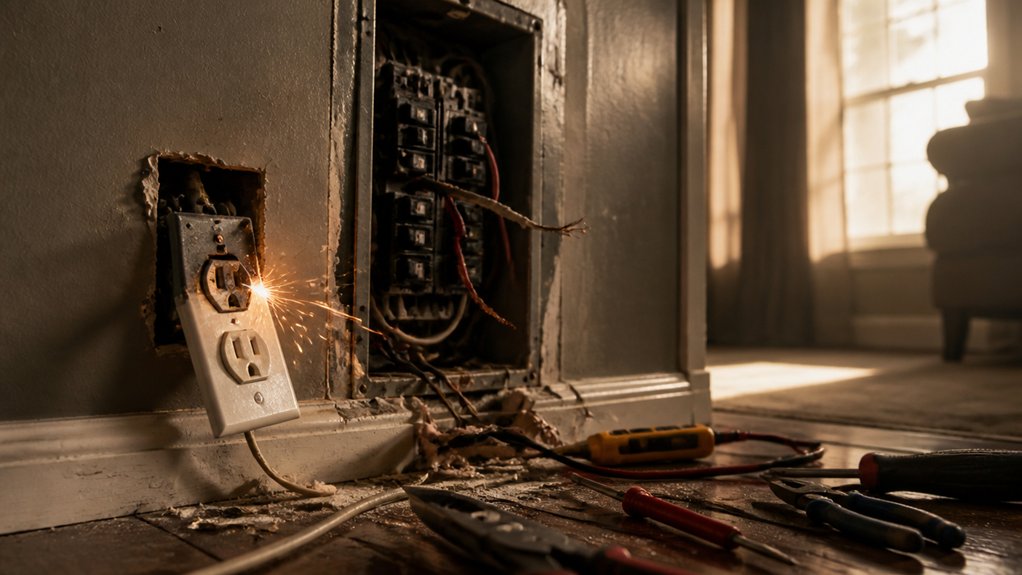
If you notice flickering lights, warm outlets, frequent breaker trips, or buzzing switches, treat them as warning signs and fix them right away. Protect your home by making circuit safety a priority. Turn off power before you inspect anything, and never ignore scorched plates, loose plugs, or frayed cords.
Schedule wiring inspections with a licensed electrician if you see outdated panels, aluminum wiring, or repeated shorts. You deserve a home that feels secure, and your neighbors would expect the same careful standard.
Replace damaged outlets, tighten connections, and label circuits clearly so you can act fast in an emergency. Don’t overload extension cords or daisy-chain power strips.
When you handle electrical problems early, you reduce fire risk and keep your household running smoothly.
Replace a Worn Roof, Gutters, and Siding
When your roof shows missing shingles, sagging areas, persistent leaks, or granule loss, replace it before water damage spreads through your home. You’ll protect your family’s comfort and keep repairs from piling up.
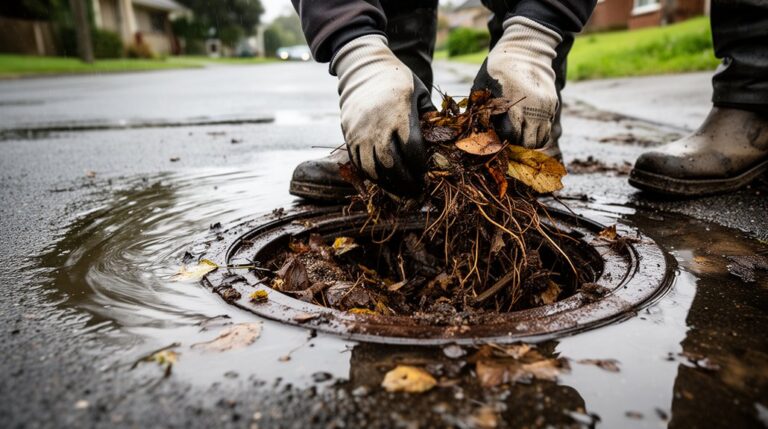
Check gutters for rust, clogs, and loose joints, then clear them so rain moves away from your foundation. If water overflows, patch or replace damaged sections fast.
For siding replacement, look for cracks, warping, rot, or mold that let moisture and pests in. Strong exterior materials help your home stay safe, dry, and welcoming.
Regular roof maintenance and timely updates also improve energy efficiency and curb appeal. When you handle these upgrades early, you’re not just fixing a house—you’re building a stronger place to belong.
About the Author