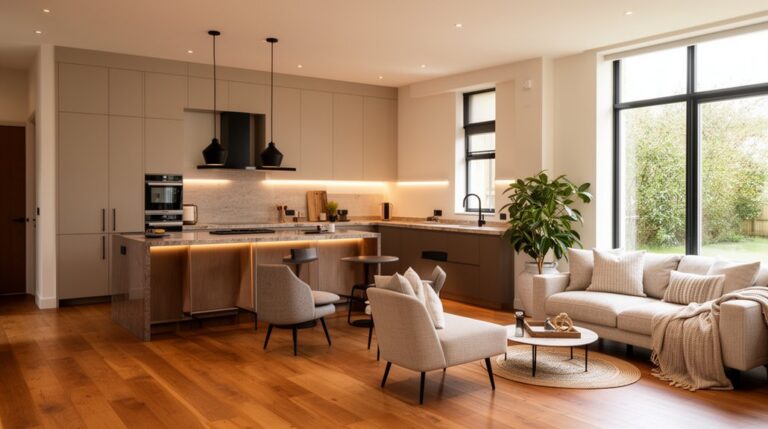
If you want long-term property growth, you can’t treat upgrades equally—you need to prioritize moves that compound value. Focus on improvements with proven ROI, low maintenance drag, and strong buyer demand, from kitchens to energy systems. Every dollar should either raise resale, reduce future costs, or both. The question isn’t what looks good—it’s what pays you back, and which upgrades quietly outperform the rest.
Key Takeaways
- Focus on high-ROI upgrades like kitchens, bathrooms, and curb appeal based on local market demand and rental or resale potential.
- Stay ahead of maintenance on roofing, HVAC, and moisture control to prevent costly damage and protect long-term property value.
- Add functional living space by converting garages or finishing basements with proper permits, insulation, and layout flexibility.
- Invest in energy-efficient systems like heat pumps, insulation, and solar to reduce costs and attract value-conscious buyers.
- Enhance aesthetics with neutral finishes, durable materials, and simple upgrades that improve perceived quality without major structural changes.
How to Prioritize High-ROI Property Upgrades
Because not all upgrades deliver equal returns, you should prioritize projects based on measurable impact—rental income potential, resale value, and cost recovery timelines.
You’ll get better outcomes when you anchor decisions in Market analysis and clear Investment timing signals.
Compare upgrade costs to projected rent premiums and exit pricing using comps from your immediate submarket.
Focus on kitchens, baths, and curb appeal only when data shows demand gaps you can monetize quickly.
Sequence projects to minimize downtime and align with leasing cycles, so you capture peak rents.
Track payback periods and adjust your pipeline as conditions shift, keeping capital working and your portfolio competitive.
Stay disciplined, benchmark against peers, and invest where evidence supports belonging within winning assets and resilient neighborhoods for durable growth.
Essential Maintenance That Preserves Property Value
While major upgrades grab attention, consistent maintenance is what actually protects your asset’s baseline value and prevents costly erosion over time. You stay ahead by scheduling routine inspections, tracking systems, and fixing small issues before they compound into capital expenses.
Data shows deferred maintenance can cut resale value by 5–10%, while disciplined upkeep preserves rent stability and buyer confidence. You build a repeatable process: quarterly checklists, annual structural assessments, and documented service histories.
Prioritize roofing, drainage, HVAC, and moisture control, where failures escalate fastest. Use contractors strategically, benchmark costs, and verify work quality.
You’ll protect margins, extend asset life, and signal professionalism to tenants and buyers who value reliability. Consistent records also strengthen financing terms and insurance outcomes across market cycles, reinforcing long-term growth.
High-ROI Kitchen Upgrades Buyers Expect
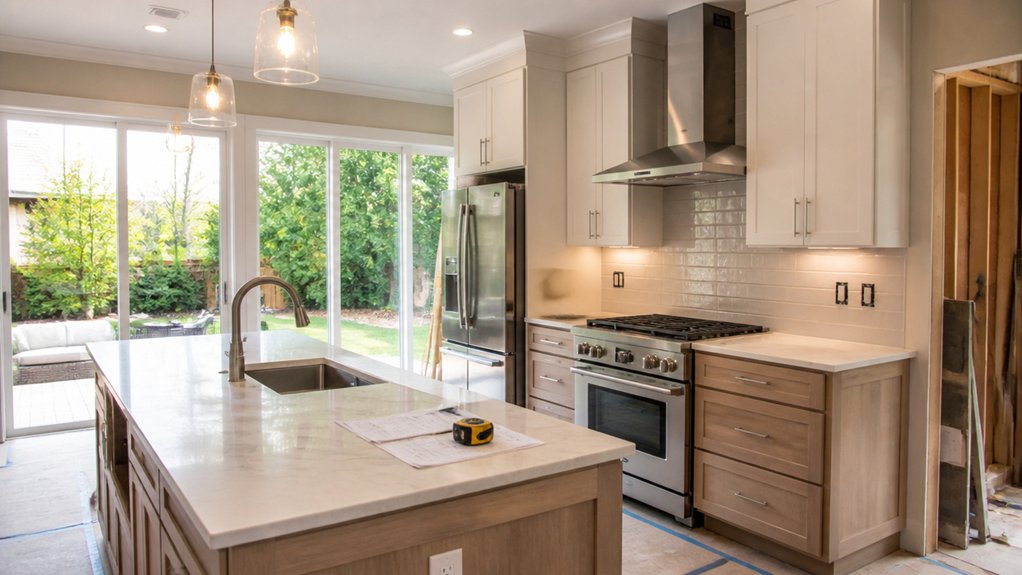
You’ll capture strong ROI by prioritizing kitchen upgrades buyers consistently value, starting with modern cabinet refacing that refreshes the space at a fraction of replacement cost.
Pair that with energy-efficient appliances to cut operating costs and signal long-term savings to prospects.
Finish with durable countertop materials that resist wear and photograph well, helping you justify higher asking prices and faster sales.
Modern Cabinet Refacing
How do you upgrade a kitchen’s perceived value without a full remodel? You reface cabinets. By keeping existing boxes and replacing doors, veneers, and fronts, you cut costs 30–50% while delivering a near-new look buyers expect. Data shows kitchens drive offers; refreshed cabinetry signals care, modernity, and move-in readiness.
Focus on shaker profiles, thermofoil or wood veneer, and color palettes. Pair upgrades with vintage cabinet restoration where feasible, preserving character that differentiates your home. Add decorative hardware accents—brushed brass pulls or matte black knobs—to boost perceived quality at low cost.
Keep layouts intact to avoid permit delays. Appraisers and buyers reward cohesive, updated kitchens; refacing investments can return 70–80% and shorten days on market, helping you compete within your cohort and capture stronger bids.
Energy Efficient Appliances
Why do energy-efficient appliances consistently move the needle on offers? Buyers quantify savings, and you can show them. When you install ENERGY STAR refrigerators, induction ranges, and high-efficiency dishwashers, you lower utility projections and shorten payback periods.
Pair upgrades with recent energy audits to document baseline reductions and expected annual savings. If your property also integrates with solar panels, you amplify the story: lower grid reliance, predictable costs, and resilience against rate hikes.
Appraisers increasingly recognize these efficiencies, supporting stronger comps. You’re not just updating a kitchen; you’re underwriting future cash flow.
In competitive markets, that clarity helps your listing stand out and justifies premium pricing without guesswork. That alignment signals disciplined ownership and places you among buyers and sellers who value measurable performance.
Durable Countertop Materials
While buyers may differ on style, they converge on one metric: surfaces that won’t fail under daily use, because durability translates directly into lower replacement costs and stronger resale comps.
You maximize ROI by choosing quartz surfaces, which resist stains, chips, and heat, reducing maintenance calls and vacancy risk.
Marble countertops signal luxury, but require sealing and careful use; price that upkeep into your underwriting to protect margins.
Prioritize edge profiles and slab thickness that limit cracking and simplify repairs.
Document warranties and install quality to support appraisals and buyer confidence.
In competitive comps, durable kitchens close faster and discount less, improving your hold strategy and exit timing.
Standardize finishes across units to streamline sourcing and control costs while maintaining a cohesive, market-ready look.
Bathroom Renovations With Strong Resale Value

In bathrooms, you’ll maximize resale by prioritizing timeless design choices that age well and appeal to the broadest buyer pool. You should focus on cost-effective upgrades like neutral tile, updated lighting, and water-efficient fixtures that deliver strong returns without overspending.
High-impact fixtures—such as modern vanities and walk-in showers—can materially increase perceived value and help your property compete at a higher price point.
Timeless Design Choices
Although trends shift quickly, buyers consistently pay a premium for bathrooms that feel neutral, functional, and durable, which makes timeless design one of the safest ROI plays in renovation. You should prioritize timeless aesthetics grounded in classic architecture, choosing balanced layouts, neutral palettes, and enduring materials that age well.
Data shows broad buyer appeal reduces time on market and protects resale pricing across cycles. You create cohesion with simple lines, consistent finishes, and well-proportioned fixtures that feel familiar yet current. Avoid niche statements that date quickly; they narrow your buyer pool.
Instead, align with what most buyers recognize as quality and comfort, so your bathroom fits expectations and supports long-term property growth. This approach signals reliability and helps your asset stay competitive over time.
Cost-Effective Upgrades
How do you boost resale without overspending on a bathroom remodel? Focus on updates buyers notice and appraisers value. You get strong returns by revitalizing grout, re-caulking, and repainting in neutral tones; these low-cost fixes signal care.
Replace worn flooring with durable, mid-range options and update vanities with clean lines. Improve lighting layout using efficient bulbs to brighten perceived space without costly rewiring. Add water-saving toilets or faucets only if failing; otherwise prioritize cosmetic cohesion.
Keep layouts unchanged to avoid plumbing costs. Pair interior gains with curb consistency: modest landscaping enhancements and exterior lighting reinforce perceived maintenance, supporting higher offers.
Track comps, target 60–70% cost recoup, and avoid overbuilding for your market. Stick to permits, timelines, and budgets to protect margins and buyer confidence.
High-Impact Fixtures
Which fixtures move the needle on resale without inflating your budget? Focus on high-efficiency toilets, quartz or solid-surface vanities, and thermostatic shower valves; they deliver durability and measurable buyer appeal.
Swap dated sconces for Vintage lighting to signal curated style without costly rewiring. Add clean decorative moldings around mirrors or ceilings to elevate perceived quality at low cost.
Stick to neutral tile palettes and large-format layouts that reduce grout maintenance. Prioritize water-saving fixtures with EPA WaterSense labels; buyers recognize operating savings.
Keep layouts intact to avoid plumbing moves. You align with what most buyers expect—reliability, efficiency, and understated polish that supports stronger comps and faster sales.
Consider matte black or brushed nickel finishes; they photograph online and standardize replacements, reducing future maintenance costs.
Energy Upgrades Buyers Will Pay More For
As energy costs keep rising and efficiency standards tighten, buyers increasingly pay premiums for homes that already deliver lower operating expenses. You can capture that premium by prioritizing measurable upgrades with clear payback.
Start with solar power and broader renewable energy systems; buyers recognize utility savings and resilience, often valuing them above cosmetic finishes. Add high-efficiency HVAC, heat pumps, smart thermostats, and upgraded insulation to reduce annual costs and improve energy ratings.
Replace single-pane windows, seal air leaks, and install LED lighting to compound savings. Document performance data, warranties, and incentives so buyers trust the numbers.
In competitive markets, homes with verified lower bills sell faster and closer to ask, strengthening your long-term growth and reinforcing your position among informed, value-driven owners today and
Ways to Add Livable Space That Boost Value
Lower operating costs attract buyers, but adding usable square footage often drives the biggest jump in resale value and appraisal comps. You capture that upside by converting underused areas into code-compliant living space.
Garage conversions can deliver strong ROI when you add insulation, HVAC, and egress, effectively creating an extra bedroom or office that comps support.
Basement finishing also performs well, especially when you include a bathroom and flexible layout. Finished basements can return 60–80% depending on market.
Prioritize permits, ceiling height, moisture control, and natural light so appraisers count the space. Keep designs neutral and durable to appeal broadly.
When you add functional square footage your future buyers recognize, you join the cohort of homes that consistently command higher prices over time and cycles.
Curb Appeal Upgrades That Raise Buyer Offers

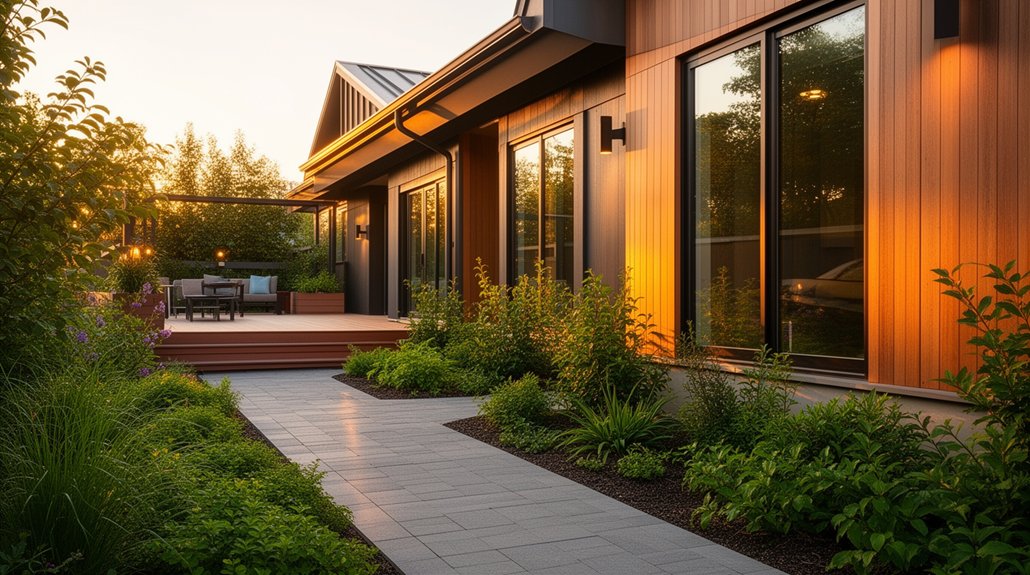
Because buyers form a price anchor within seconds of arrival, targeted curb appeal upgrades can lift perceived value and strengthen offers before anyone steps inside. Focus on high-impact, low-cost moves that photograph well and signal care.
Upgrade landscaping design with lines, native plants, and mulch; studies show tidy yards can add 5–10% to perceived value. Refresh paint on the front door and trim, replace dated hardware, and power-wash hardscapes to remove visual noise.
Install layered exterior lighting to highlight paths, entries, and architectural features, extending showing hours and improving safety. Define edges with crisp borders, repair driveways, and add house numbers buyers can read from the street.
These upgrades create cohesion, reduce buyer uncertainty, and help your home compete confidently within its peer set.
Smart Home Features Buyers Value Most
While flashy gadgets can date quickly, buyers consistently pay for smart features that improve security, efficiency, and convenience with minimal learning curve. You should prioritize Smart security systems with app alerts, video doorbells, and monitored sensors; they reduce perceived risk and can lower insurance costs.
Automated lighting delivers immediate utility: schedules cut energy use by up to 20%, and motion controls add safety without complexity. Smart thermostats typically return 10–15% savings annually and signal responsible ownership.
Stick to interoperable platforms buyers already trust, and document installation and energy data. You’ll attract a broader pool, shorten days on market, and defend premium pricing with clear, quantified benefits.
Keep controls simple, use neutral hardware finishes, and provide start guides so buyers feel confident from day one.
About the Author