
Many homeowners postpone repairs because the issue appears minor, the timing feels inconvenient, or the cost seems difficult to justify. While delaying repairs may seem like a way to save money in the short term, it often leads to much larger expenses over time. Small maintenance problems rarely resolve themselves. Instead, they tend to worsen, causing additional damage that affects multiple areas of a property.
From minor plumbing leaks and roof damage to electrical concerns and foundation issues, neglected repairs can create a chain reaction of problems that become increasingly expensive to fix. Understanding the hidden costs of delaying home repairs can help homeowners make informed decisions and protect their property investment.
Small Problems Often Become Major Repairs
One of the biggest risks of postponing repairs is that minor issues can quickly escalate into major problems. A small crack in a wall, a leaking pipe, or a missing roof shingle may seem insignificant initially, but these issues can grow worse over time.
For example, a small roof leak may allow water to enter the attic. Over weeks or months, moisture can damage insulation, weaken structural materials, promote mold growth, and stain ceilings. What could have been a simple repair may eventually require extensive restoration work.
Addressing problems early is usually faster, less expensive, and far less disruptive than dealing with the consequences of prolonged neglect.
Increased Repair Costs
The longer a repair is delayed, the more expensive it often becomes. Damage typically spreads beyond the original problem, affecting surrounding materials and systems.
Consider a leaking faucet. Initially, the repair may require a simple replacement washer or valve. However, if ignored, the leak may damage cabinetry, flooring, drywall, and nearby fixtures. In some cases, mold growth can develop due to prolonged moisture exposure.
Similarly, a cracked driveway can worsen due to weather conditions and repeated use. What might have been a small patching job could eventually require complete replacement.
Prompt repairs help minimize costs by preventing damage from spreading throughout the property.
Water Damage Can Become Extensive
Water is one of the most destructive forces affecting residential properties. Even small leaks can cause significant damage when left unresolved.
Common sources of water damage include:
- Leaking roofs
- Dripping pipes
- Faulty appliances
- Damaged water heaters
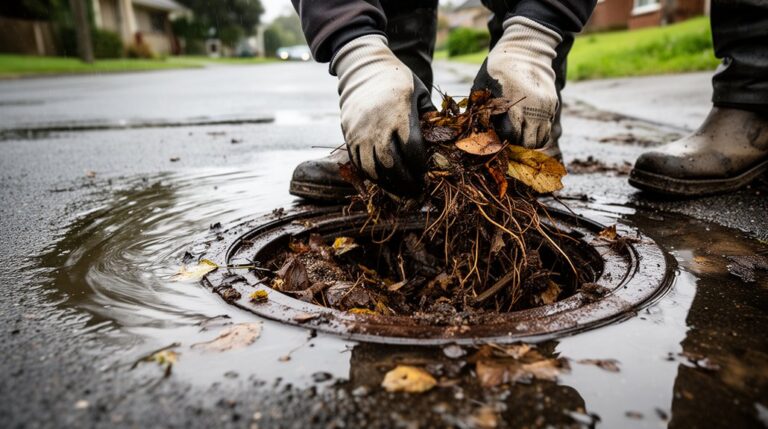
- Clogged gutters
- Poor drainage systems
Water intrusion can damage flooring, drywall, insulation, wood framing, and personal belongings. Moisture also creates ideal conditions for mold and mildew growth, which can further increase repair expenses.
The cost of repairing water damage often far exceeds the cost of fixing the original source of the leak.
Mold Growth and Indoor Air Quality Issues
Moisture-related problems frequently lead to mold growth. Mold can develop within 24 to 48 hours when water accumulates in hidden areas such as walls, ceilings, crawl spaces, and attics.
Once mold spreads, remediation can become expensive and time-consuming. In severe cases, affected materials may need to be removed and replaced entirely.
Beyond property damage, mold can negatively impact indoor air quality. Occupants may experience unpleasant odors, allergic reactions, respiratory irritation, and reduced comfort within the home.
Addressing leaks and moisture issues quickly helps prevent mold growth and protects both the property and its occupants.
Higher Energy Bills
Delaying repairs can also increase utility expenses. Many maintenance issues directly affect a home’s energy efficiency.
Examples include:
- Damaged insulation
- Drafty windows and doors
- Leaking ductwork
- Malfunctioning HVAC systems
- Worn weather stripping
When these problems are ignored, heating and cooling systems must work harder to maintain comfortable indoor temperatures. This increased workload results in higher energy consumption and larger utility bills.
A minor repair today can often lead to noticeable energy savings over time.
Reduced Lifespan of Home Systems
Home systems and appliances are designed to operate under specific conditions. When maintenance issues are ignored, these systems often experience additional strain that shortens their lifespan.
For example, a clogged HVAC filter restricts airflow and forces the system to work harder. Over time, this increased strain can cause premature wear on motors, compressors, and other components.
Similarly, plumbing systems with leaks or pressure issues may experience accelerated deterioration. Water heaters that are not maintained regularly may develop sediment buildup that reduces efficiency and shortens equipment life.
Routine repairs and maintenance help maximize the lifespan of valuable home systems and reduce replacement costs.
Structural Damage Risks
Some delayed repairs can threaten the structural integrity of a property. Problems involving foundations, roofing systems, support beams, and load-bearing components should never be ignored.
Foundation cracks, for instance, may initially appear harmless. However, shifting soil, water intrusion, and ongoing settlement can cause these cracks to expand over time. Eventually, homeowners may notice uneven floors, sticking doors, cracked walls, and other signs of structural movement.
Roof damage can also compromise structural components if water infiltrates framing materials. Prolonged exposure to moisture weakens wood and increases the likelihood of rot.
Structural repairs are often among the most expensive home improvement projects, making early intervention especially important.
Electrical Hazards and Safety Concerns
Electrical problems should always be addressed promptly. Faulty wiring, overloaded circuits, damaged outlets, and malfunctioning electrical panels can create serious safety risks.
Ignoring electrical issues may increase the likelihood of:
- Electrical fires
- Power outages
- Equipment damage
- Personal injury
Warning signs such as flickering lights, burning odors, warm outlets, and frequently tripped breakers should never be overlooked.
Professional inspection and repair can help identify hazards before they become dangerous or costly emergencies.
Pest Infestations
Delayed repairs can make a property more attractive to pests. Small openings, moisture problems, and structural damage often create ideal conditions for insects and rodents.
Examples include:
- Termites entering through damaged wood
- Rodents accessing attics through roof openings
- Ants attracted to moisture from plumbing leaks
- Cockroaches thriving in damp environments
Once pests establish themselves, extermination and property repairs can become costly. Preventive maintenance helps eliminate entry points and conditions that attract unwanted pests.
Decreased Property Value
A poorly maintained home often loses value over time. Potential buyers may notice visible signs of neglect, including peeling paint, damaged roofing, outdated systems, and unresolved maintenance issues.
Even if cosmetic concerns appear minor, buyers may worry about hidden problems elsewhere in the property. This perception can reduce buyer interest and lead to lower offers.
Regular maintenance and timely repairs help preserve property value and demonstrate responsible ownership. Homes that are well-maintained generally attract more buyers and sell more quickly.
Insurance Complications
Homeowners insurance policies may not always cover damage resulting from neglected maintenance. Insurance providers typically expect homeowners to take reasonable steps to maintain their properties.
For example, if a homeowner ignores a known roof leak for months and extensive water damage occurs, the resulting claim may be denied or partially covered.
Keeping up with maintenance responsibilities can help avoid insurance disputes and reduce the likelihood of uncovered repair expenses.
Increased Stress and Inconvenience
Beyond financial costs, delayed repairs often create unnecessary stress and inconvenience. Living with ongoing maintenance issues can affect comfort, productivity, and peace of mind.
Unexpected emergencies frequently occur at the worst possible times. A burst pipe, HVAC failure during extreme weather, or major roof leak can disrupt daily routines and require urgent attention.
By addressing repairs promptly, homeowners can avoid many of these stressful situations and maintain a safer, more comfortable living environment.
The Benefits of Proactive Maintenance
Preventive maintenance is one of the most effective ways to avoid the hidden costs associated with delayed repairs. Regular inspections allow homeowners to identify potential problems before they become serious.
Key preventive measures include:
- Inspecting roofs annually
- Servicing HVAC systems regularly
- Checking plumbing fixtures for leaks
- Cleaning gutters and downspouts
- Monitoring foundation conditions
- Testing safety devices
- Maintaining exterior surfaces
A proactive approach helps reduce long-term expenses while preserving the overall condition of the property.

Conclusion
Delaying home repairs may seem like a cost-saving decision, but the reality is often quite different. Minor issues can quickly develop into major problems that require extensive repairs, increase utility costs, reduce property value, and create safety concerns.
Whether it’s a leaking pipe, damaged roof, malfunctioning HVAC system, or foundation crack, addressing problems early is almost always more affordable than waiting. Timely repairs protect your investment, improve comfort, and help maintain a safe and efficient living environment.
By prioritizing regular maintenance and responding quickly to repair needs, homeowners can avoid hidden costs, preserve property value, and enjoy greater peace of mind for years to come.
About the Author