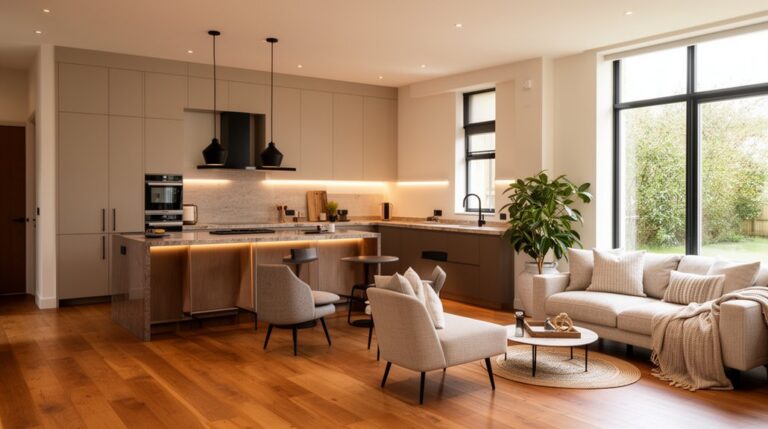

What looks like a money pit can become a profitable asset if you approach it with discipline. You start by separating cosmetic flaws from structural risks, then price every fix with resale in mind. Focus on layout, systems, and durable finishes that buyers expect, not extras they won’t pay for. When you align upgrades with neighborhood value, the numbers begin to shift—and that’s where the real opportunity starts to take shape.
Key Takeaways
- Evaluate structure, systems, and location first to ensure the property supports profitable renovation and aligns with market demand.
- Identify hidden value like hardwood floors, usable layouts, and convertible spaces to minimize costly structural changes.
- Build a detailed budget with a 10–20% contingency, aligning renovation costs with neighborhood resale values.
- Prioritize high-impact upgrades—kitchens, bathrooms, lighting, and curb appeal—using durable, midrange finishes.
- Stage and price strategically using local comps to present a clean, move-in-ready home that attracts buyers quickly.
What Makes a Rundown Property Worth Renovating?
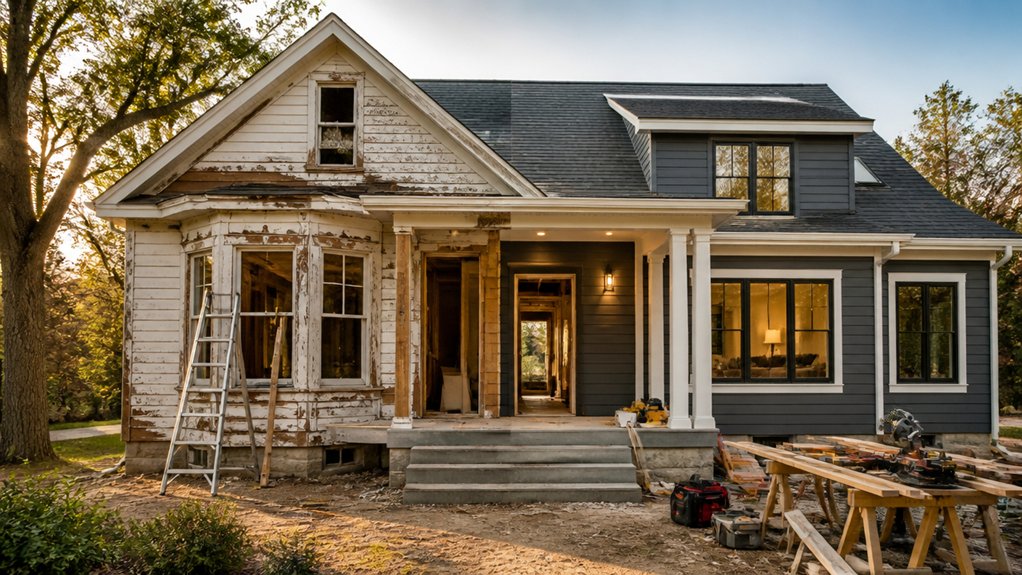
While a rundown property can look like a money pit at first glance, it’s worth renovating if the numbers and structural fundamentals check out. You focus on load-bearing integrity, roof age, and foundation stability before emotions kick in.
You compare acquisition cost, rehab budget, and after-repair value to confirm margin. If zoning aligns and utilities are serviceable, you reduce risk and timeline.
Properties with Historical significance can justify careful upgrades, while Architectural preservation can protect character that buyers value.
You prioritize layouts that convert cleanly, minimizing costly reconfiguration. When systems are outdated but accessible, you plan phased replacements to control cash flow.
You verify permits, liens, and environmental concerns to avoid surprises. Choose assets that fit your standards, so you can deliver a home.
Spot Hidden Value in Rundown Properties
Because profit often hides in plain sight, you look past cosmetic neglect and scan for features that can be accessed cheaply. You check bones first: roof lines, foundation cracks, mechanical systems, and layout efficiency. If structure’s sound, you’ve found leverage.
You notice original hardwood under carpet, solid doors, and trim with historical significance that buyers value but sellers ignore. You weigh neighborhood appeal by tracking nearby sales, walkability, schools, and planned improvements.
You spot underused spaces—attics, basements, garages—that convert without major structural work. You prefer simple fixes: paint, lighting, hardware, and curb upgrades that shift perception fast.
You’re not chasing perfection; you’re isolating changes that reliably raise resale demand and shorten time on market. That discipline keeps costs tight and returns predictable across cycles.
Set a Budget for Renovating Rundown Properties
You need an accurate cost assessment first, so walk the property, price out labor and materials, and verify quotes before committing.
Build a contingency fund of at least 10–20% to cover hidden issues like structural damage or outdated systems.
Then prioritize renovation expenses by focusing on high-ROI upgrades and deferring cosmetic work that won’t move the resale value.
Accurate Cost Assessment
Before committing to any demolition or design plans, map out a realistic, line‑item budget that reflects the true condition of the property. Walk the site, document structural issues, and price labor, materials, permits, and inspections with current local rates.
Account for upgrades that protect historical significance while improving aesthetic appeal, since these choices influence resale value and buyer trust. Get multiple contractor bids, compare scopes, and normalize estimates so you’re not misled by omissions.
Break costs into phases—stabilization, systems, finishes—and assign timelines to control cash flow.
Use recent comps to validate whether projected spend aligns with neighborhood ceilings. Track every assumption in a shared sheet so you and your partners stay aligned, confident, and ready to execute without surprises on schedule and within scope.
Contingency Fund Planning
Even with a tightly scoped budget, unknowns will surface in rundown properties, so set a contingency fund that’s realistic, not symbolic. Aim for 10–20% of total project costs, adjusted for age, access, and inspection gaps.
Keep these funds liquid, separate from your core budget, and treat them as Emergency savings reserved strictly for surprises like hidden water damage, outdated wiring, or structural fixes.
Track draws against this reserve weekly to protect your renovation timeline and prevent cascading delays. If the fund remains untouched, you’ve preserved margin; if it’s used, you’ve avoided costly financing or rushed decisions.
Build this discipline into your process so you stay aligned with experienced investors who plan for variance, not perfection and keep your numbers credible to partners and lenders.
Prioritize Renovation Expenses
With a contingency fund in place to absorb surprises, the next step is deciding where each dollar works hardest. Start your renovation planning by ranking repairs by impact and necessity: safety, structure, then systems, then finishes. You can’t market a home with faulty wiring or a leaking roof, so fund those first.
Next, target kitchens and baths where returns are strongest, but cap upgrades to neighborhood comps to protect budget management. Choose durable, midrange materials that photograph well and last.
Bundle trades to reduce mobilization costs, and lock scopes to avoid change orders. Track every line item weekly, compare bids, and keep a small reserve for price swings.
You’re building a shared standard—smart, disciplined spending that turns risk into resale value for your team.
Which Renovations Add the Most Resale Value?

When you’re deciding where to spend your renovation budget, focus on upgrades that buyers consistently value and that deliver a strong return per dollar rather than just visual impact. Start with kitchens and baths; modest, durable updates—new fixtures, energy‑efficient appliances, clean tile—recoup reliably.
Address curb appeal through exterior landscaping and entry improvements; first impressions convert to offers. Preserve character where possible; thoughtful historic preservation details can differentiate your home without overspending.
Replace aging systems—roofing, HVAC, plumbing—because buyers price risk aggressively. Add usable space, like finishing basements or creating flexible rooms, only when costs stay controlled.
Stick to neutral finishes, consistent flooring, and good lighting so buyers feel at home immediately and see clear value. Avoid overbuilding; match neighborhood standards to protect resale value overall.
Plan High-ROI Renovations for Market Readiness
Because every dollar should move the sale forward, start by scoping renovations against local comps, target price, and time to list.
Prioritize visible, buyer-facing upgrades with proven returns: fresh exterior painting, clean lines, neutral palettes, and durable finishes that photograph well.
Invest in garden landscaping to boost curb appeal quickly—trim, mulch, low-maintenance plants, and lighting that frames entry points.
Inside, fix what buyers notice first: flooring, fixtures, lighting, and hardware; repair defects before cosmetic work to avoid redoing.
Get three bids, lock scopes, and track unit costs so you don’t overspend.
Stage selectively, skip over-customization, and choose materials available on short lead times to keep schedules tight.
Document every decision, align contractors weekly, and hold contingency at ten percent to protect margins and timelines.
Upgrade Layouts for Modern Buyers
You’ll increase buyer appeal by opening up key living areas, removing non-structural walls where cost and layout allow.
Prioritize an open-concept kitchen, dining, and living zone that maximizes light, sightlines, and usable square footage without major structural expense.
Add value with flexible multi-use spaces—like a home office or guest room—that adapt to buyer needs without significant build-out costs.
Open Concept Living
While older homes often divide space into small, inefficient rooms, opening key walls can create a more functional layout that today’s buyers expect and will pay for. You should remove non load bearing partitions between kitchen, dining, and living areas to improve sightlines and traffic flow.
Budget for structural beams where needed, permits, and electrical rerouting, and avoid over demolition that drives costs without adding value.
Align the interior openness with strong first impressions by coordinating finishes with your garden landscaping and exterior facades. Use durable, mid range materials, consistent flooring, and efficient lighting to keep costs controlled while delivering a cohesive, welcoming environment buyers feel connected to immediately.
Focus on clear spans around islands to maximize usability and avoid awkward circulation pinch points.
Flexible Multi Use Spaces
As buyer demand shifts toward rooms that serve multiple functions, you should design spaces that convert quickly without costly rework. Prioritize flexible layouts using sliding partitions, pocket doors, and modular built-ins that reconfigure in minutes.
Define zones with lighting, flooring, and furniture rather than permanent walls, keeping costs down while preserving flow. Plan adaptable spaces like guest room plus office, or dining plus workspace, with ample outlets, data drops, and storage to support quick switches.
Choose durable finishes that handle varied use and reduce maintenance. Align layouts with common buyer scenarios so visitors can see themselves living there, today and tomorrow.
This approach improves resale appeal and keeps budgets predictable during renovations and limits change orders during construction and leasing adjustments later on smoothly.
Choose Finishes That Help Homes Sell Faster
Although flashy upgrades can be tempting, the finishes that actually move a property faster are the ones that feel clean, durable, and broadly appealing without inflating your budget. Skip ultra-personal luxury finishes and highly specific custom fixtures that limit buyer imagination and raise replacement concerns.
Choose neutral paint in warm whites, consistent flooring, and midrange hardware that looks cohesive across rooms. You’ll signal care and reliability without shouting style, which helps more buyers see themselves fitting in.
Prioritize easy-to-maintain surfaces like quartz-look counters and durable LVP over trendy, fragile materials. Keep finishes consistent from room to room so the home reads complete, not pieced together.
When you control costs and avoid over-customization, you protect margins and shorten days on market for faster, cleaner closings.
Add Energy-Efficient Upgrades Buyers Want

Because buyers increasingly factor monthly operating costs into their decisions, energy-efficient upgrades can make your property feel both modern and financially smart. You’ll attract budget-conscious buyers by prioritizing Energy savings that lower utility bills immediately.
Start with high-impact Eco upgrades like attic insulation, air sealing, and smart thermostats that pay back quickly. Replace outdated HVAC with efficient systems, install LED lighting throughout, and choose Energy Star appliances buyers recognize.
Consider double-pane windows and low-flow fixtures to reduce waste and signal long-term value. Document upgrades with specs and estimated monthly savings so buyers can quantify benefits.
Keep costs controlled by focusing on items with short payback periods and minimal disruption during renovation. You’ll position the home as efficient, comfortable, and ready for today’s expectations buyers.
Stage and Price Renovated Properties to Sell
With efficiency upgrades documented and costs dialed in, you now need to present and price the home to convert interest into offers.
Stage with purpose: define each room, neutralize bold finishes, and highlight the Architectural style with lighting, scale, and flow.
If the property has Historical significance, showcase it with restrained décor and clear placards, not clutter.
Use comps within a tight radius, adjust for square footage, condition, and days on market, and set a price band that invites competition.
Budget staging at one to three percent of target price, track carrying costs weekly, and pre-plan reductions.
You’re not just listing a house; you’re positioning a credible, move‑in‑ready option buyers feel they belong in.
Price confidently, but leave room for appraisals and inspection concessions.
About the Author