
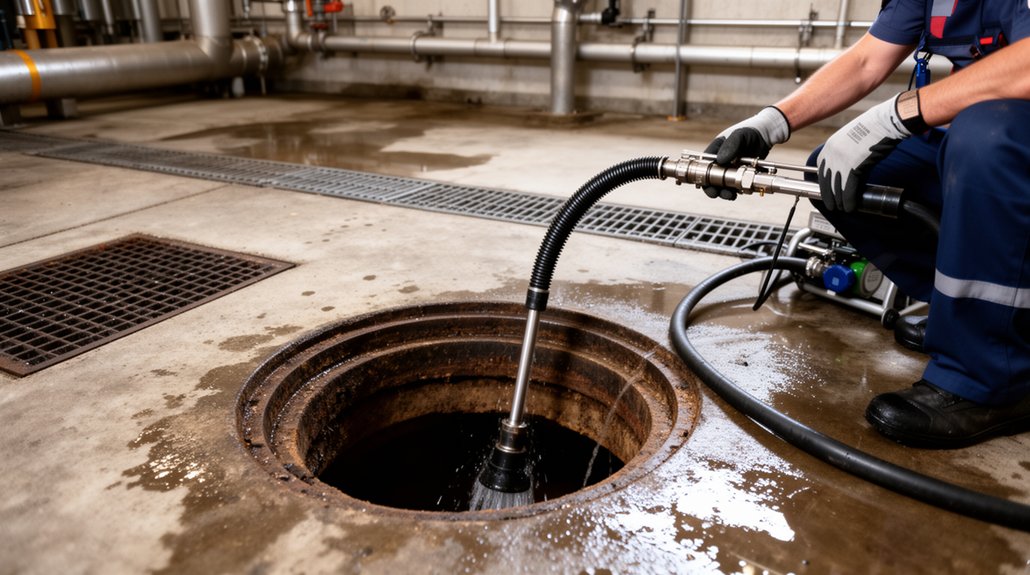
Could it be that most drain and sewer problems start with habits you barely notice? You can spot the real causes, catch early warning signs, and handle simple clogs before they turn into costly backups. This guide shows you which fixes are safe at home, when tools matter, and when you need a professional to protect your system.
Key Takeaways
- Slow drains, foul odors, gurgling sounds, and backups are common signs of drain or sewer problems.
- Grease, hair, soap scum, food scraps, wipes, and tree roots are major causes of clogs and sewer blockages.
- Try safe DIY methods first, including plungers, drain snakes, hot water, and removing visible debris.
- Prevent future clogs by disposing of grease properly, using drain covers, and avoiding items that cling inside pipes.
- Call a professional for recurring clogs, multiple slow fixtures, sewage backups, or when camera inspection is needed.
What Causes Drain Clogs?
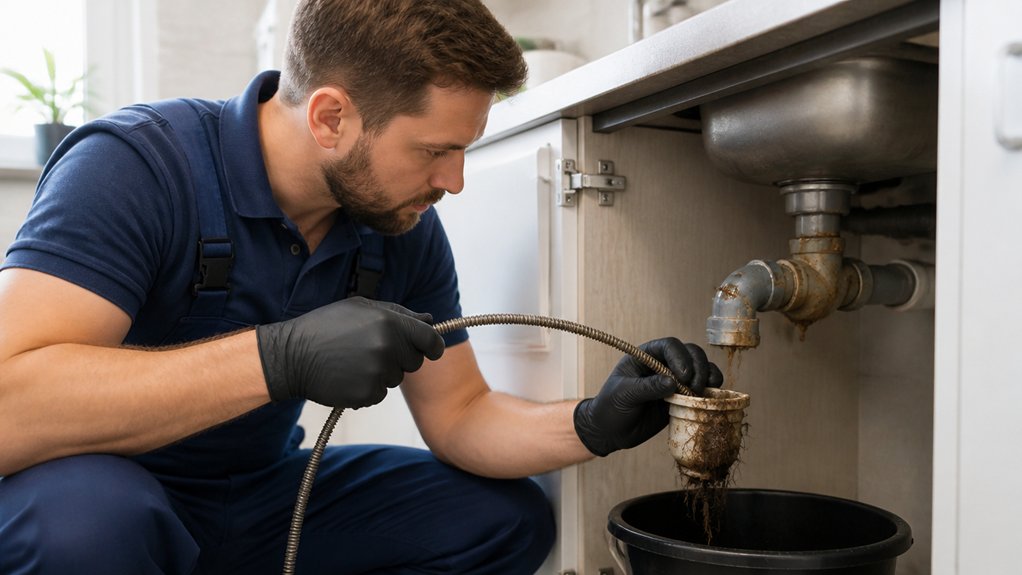
Drain clogs usually happen when grease, soap scum, hair, food particles, and other debris build up inside the pipes over time. You can slow the problem by watching what goes down the drain, but once residue sticks, it traps more waste and narrows flow.
In kitchen lines, grease buildup hardens and clings to pipe walls. In bathroom drains, hair and soap combine into dense mats.
You may also face root intrusion, where tree roots enter small cracks and block the line. Even small habits, like rinsing oils or flushing wipes, can create recurring clogs.
When you understand these causes, you’re better prepared to protect your plumbing and keep your home in the clear.
What Causes Sewer Backups?
When a clog goes beyond a single fixture, it can lead to a sewer backup that sends wastewater back into your home. You’re most likely dealing with a blockage in the main line, tree roots invading pipes, or a sagging sewer pipe that traps debris.
Grease, wipes, and other nonflushable items can build up over time, narrowing the line until flow stops. Heavy rain can also overwhelm municipal systems and push water back toward your property.
Regular sewer maintenance helps you reduce these risks, while scheduled plumbing inspections can catch hidden damage before it spreads. When you stay proactive, you protect your home, your neighbors, and your peace of mind from costly cleanup and disruption.
Warning Signs Your Drain Needs Cleaning
If your sink, tub, or shower starts draining slowly, you’re likely seeing the first sign that buildup is restricting flow.
You may also notice foul odors rising from the drain, which often means debris or trapped waste needs attention.
When these warning signs appear, you should act quickly to prevent a bigger plumbing problem.
Slow Drainage Signs
A slow drain is often the earliest sign that buildup is narrowing your pipes and restricting flow. You may notice water lingering in the sink, tub, or shower longer than usual, even after you’ve run only a small amount. That delay tells you the line needs attention, not more patience.
Good drain maintenance helps you catch these changes before they turn into a clog that disrupts your routine. During a careful pipe inspection, you can look for repeated backups, gurgling, or water level changes after use.
If several fixtures drain slowly at once, the problem may be deeper in the system. Act early, and you’ll protect your plumbing, reduce stress, and keep your home running the way it should.
Foul Odors Coming Up
Foul odors coming up from a drain usually mean waste, grease, or organic buildup is trapped inside the line and starting to break down. You shouldn’t ignore that smell or rely on air freshening alone, because it only masks the problem.
Instead, inspect nearby drains, traps, and venting, then flush the line with hot water if it’s safe for your plumbing. If the odor returns, you likely need a deeper cleaning to remove the source.
Use odor neutralizers only as a temporary aid while you address the blockage. When you act early, you protect your home, reduce health concerns, and keep your plumbing working the way it should.
You’re not dealing with this alone; these warning signs are common and manageable.
How To Clean Drains Safely At Home
When you clean a drain at home, start with the safest, least invasive methods first: remove visible debris, flush the line with hot water, and use a plunger or a drain snake before trying any chemical product. These simple steps protect your pipes and support routine drain maintenance.
For reliable DIY tips, wear gloves, keep the area dry, and work slowly so you don’t push buildup deeper. If the drain still moves sluggishly, repeat the process once and use steady pressure instead of force.
You’ll get better results by staying patient and methodical. Finish by rinsing with warm water and wiping the fixture clean.
With consistent care, you can handle many clogs confidently and keep your home’s plumbing running smoothly.
When To Call A Professional
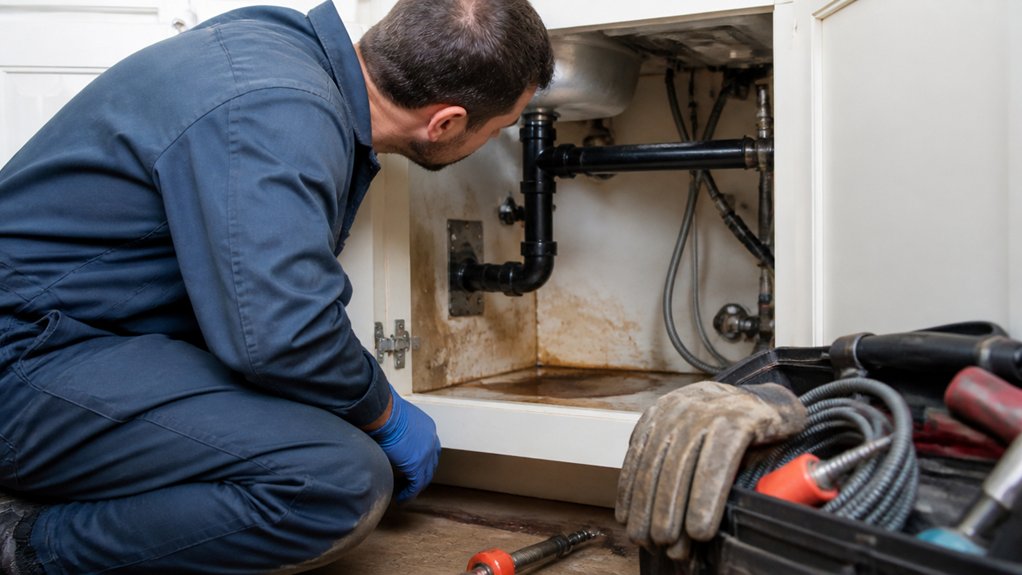
If a clog keeps coming back, affects multiple fixtures, or causes slow drains, backups, or bad odors, it’s time to call a licensed plumber. You shouldn’t wait when water rises in sinks, toilets gurgle, or sewage appears, because those signs can point to deeper sewer problems.
In emergency situations, fast professional help can limit damage and protect your home. A plumber can inspect the line, find the root cause, and restore proper flow safely.
Cost considerations matter, but delaying service often leads to bigger repairs, property damage, and higher bills. You’ll save time and stress by getting expert help when DIY fixes no longer work.
Trust your instincts: if the issue feels beyond a routine clog, you’re probably right.
Best Tools For Drain Cleaning
Having the right drain cleaning tools can help you handle simple clogs before they turn into bigger problems. You’ll want a sturdy plunger for sinks, tubs, and toilets, plus a hand-crank snake for tight blockages near the trap.
Drain snakes work well when hair, soap, or small debris is slowing flow, and they let you clear the line without harsh chemicals. For tougher buildup, choose auger tools that reach deeper into the pipe and break apart compacted material.
A drain brush can help scrub accessible openings, while a wet-dry vacuum can pull out loose debris. Keep gloves, a bucket, and a flashlight nearby so you can work safely and confidently like part of a well-prepared crew.
How To Prevent Future Blockages
Preventing future blockages starts with what you let go down the drain. You keep your pipes flowing by disposing of Kitchen grease in a sealed container, not the sink, and by wiping pans before washing.
In bathrooms, use drain covers to catch Hair accumulation, then clean them often so buildup doesn’t return. Flush drains with hot water regularly, but don’t rely on it to fix poor habits.
You also protect your system by avoiding food scraps, wipes, and other debris that can cling inside pipes. Stay alert to slow draining, gurgling, or odors, because early action keeps small issues from becoming stubborn clogs.
When you make these routines part of your home care, you’re joining the group of homeowners who keep drains clear and reliable.
How To Choose A Sewer Cleaning Service
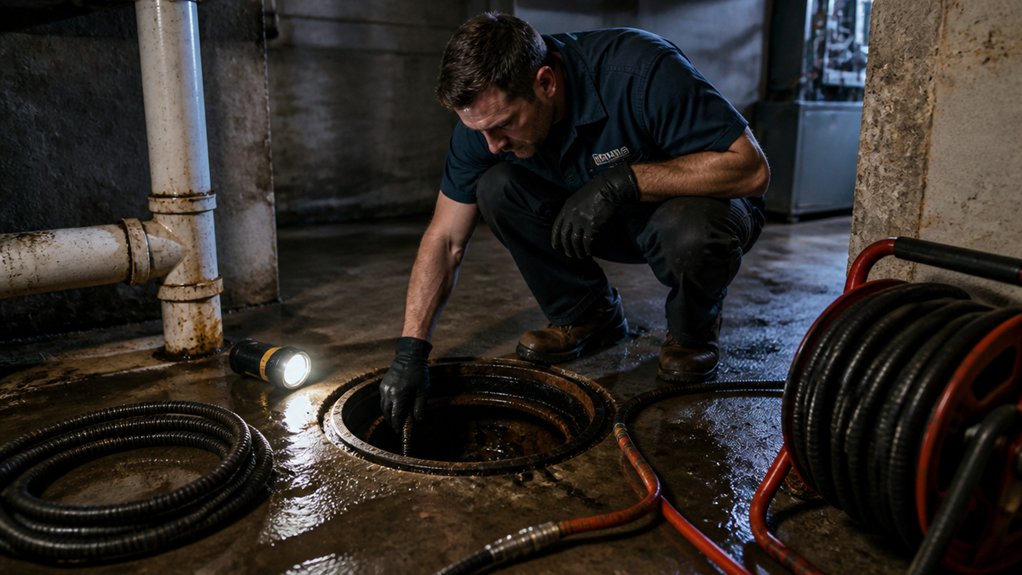
When you choose a sewer cleaning service, verify its credentials first so you know the team is licensed, insured, and qualified for the job.
You should also ask about the equipment and methods they use, since the right tools and techniques can protect your pipes and clear the line more effectively.
A reliable provider will explain its process clearly and match the service to your system’s needs.
Service Credentials
A reputable sewer cleaning service should back its work with the right licenses, insurance, and experience. You should ask for service credentials before you book, because they show whether the team meets local requirements and protects your property.
Look for professional certification, current permits, and proof of liability coverage. These details tell you the company takes your home and your trust seriously.
You can also check how long they’ve served homeowners in your area and whether they handle similar jobs with confidence. A qualified crew communicates clearly, follows regulations, and stands behind its work.
When you choose providers with verified credentials, you join a group of customers who value safety, accountability, and dependable results.
Equipment And Methods
The right sewer cleaning service should use equipment that matches the problem, not a one-size-fits-all approach. You want a team that can explain when Drain snakes handle minor clogs and when Hydro jetting clears grease, scale, and debris more thoroughly.
Ask how they inspect lines before starting, because cameras help them choose the safest method and protect your pipes. A reliable crew won’t push the same fix for every backup; they’ll assess line size, material, and blockage type.
That matters when you want lasting results and fewer repeat calls. You should also look for technicians who maintain their tools and follow clear procedures, so you feel confident you’re working with neighbors who know the job and respect your property.
About the Author


