
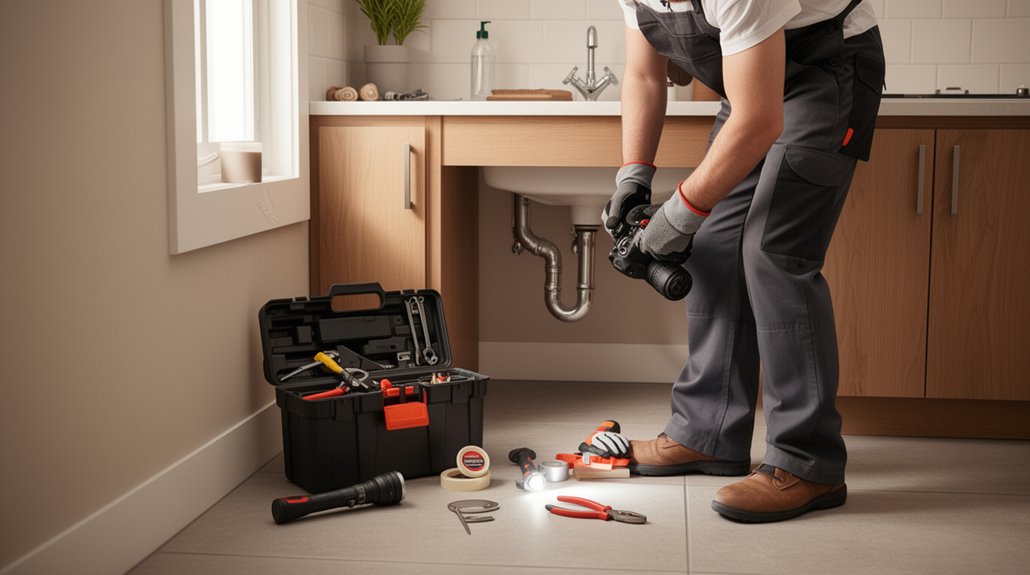
You notice a dripping faucet late at night, then hear a slow drain and a flickering hallway light. Those small issues can turn into bigger, costlier problems if you ignore them. You can keep your home running smoothly by handling easy repairs early, checking leaks, maintaining HVAC filters, clearing drains, and spotting electrical trouble before it spreads. A simple monthly routine can save you more than you’d expect.
Key Takeaways
- Fix common problems first: sticky doors, loose handles, dead bulbs, and worn weatherstripping.
- Check for leaks monthly under sinks, around toilets, and near appliances to prevent water damage.
- Replace HVAC filters regularly and clear vents to keep heating and cooling efficient.
- Keep drains clear by avoiding grease and scraps, and flush them with hot water and baking soda.
- Inspect cords, outlets, and breakers for damage, and call an electrician for buzzing, burning, or warm outlets.
Start With Easy High-Impact Repairs
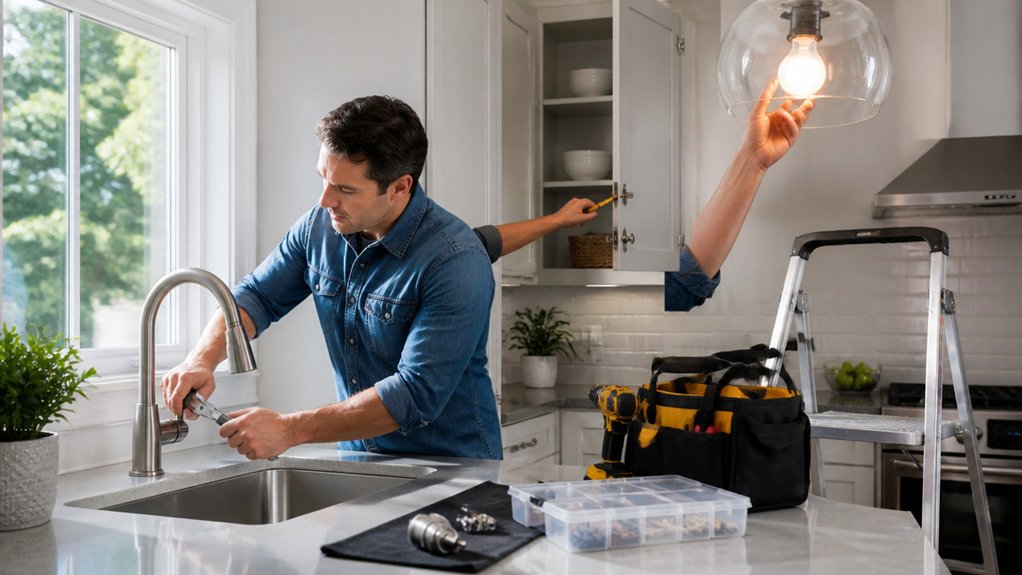
Start with easy, high-impact repairs that solve the most common problems fast. You’ll feel more in control when you tackle sticky doors, loose cabinet pulls, worn weatherstripping, and dead bulbs first. These fixes improve comfort, safety, and the look of your space without draining your weekend.
Check smoke alarms, test outlets, and tighten handrails so your home supports you every day.
Refresh tired trim, touch up scuffed walls, and replace cracked switch plates to lift your home decor fast.
Outside, prune overgrown plants, clear clutter from paths, and follow simple gardening tips to keep curb appeal strong.
When you handle these basics early, you join the group of homeowners who keep small issues from becoming hassles and enjoy a smoother, calmer home.
Stop Small Leaks Early
A small drip can turn into a costly problem fast, so tackle leaks as soon as you spot them. You protect your home and support water conservation when you check faucets, toilets, under-sink pipes, and appliance connections each month.
Use simple leak detection: listen for running water, watch for damp spots, and test your water meter when no one’s using water.
Tighten loose fittings, replace worn washers, and seal minor gaps before they spread. If you see repeated moisture, call a pro before hidden damage grows.
Staying ahead of leaks keeps your space dry, lowers utility bills, and helps your household run with fewer surprises. When everyone in your home treats small leaks seriously, you build a smoother, more reliable routine together.
Keep Your HVAC System In Shape
After handling leaks, turn your attention to the system that keeps your home comfortable year-round. Replace filters on schedule, clear dust from vents, and listen for unusual sounds so you can catch trouble early. Keep your thermostat calibration accurate; even a small error can waste energy and make rooms feel uneven.
If your unit struggles to keep up, consider HVAC upgrades that improve efficiency and comfort without adding hassle. Seal gaps around windows and doors to help the system work less, and schedule professional maintenance before peak seasons.
You’re not just protecting equipment; you’re keeping your home steady, welcoming, and ready for everyone who lives there. A little routine care now helps your HVAC run smoothly and gives you one less thing to worry about.
Prevent Plumbing Clogs And Drain Issues
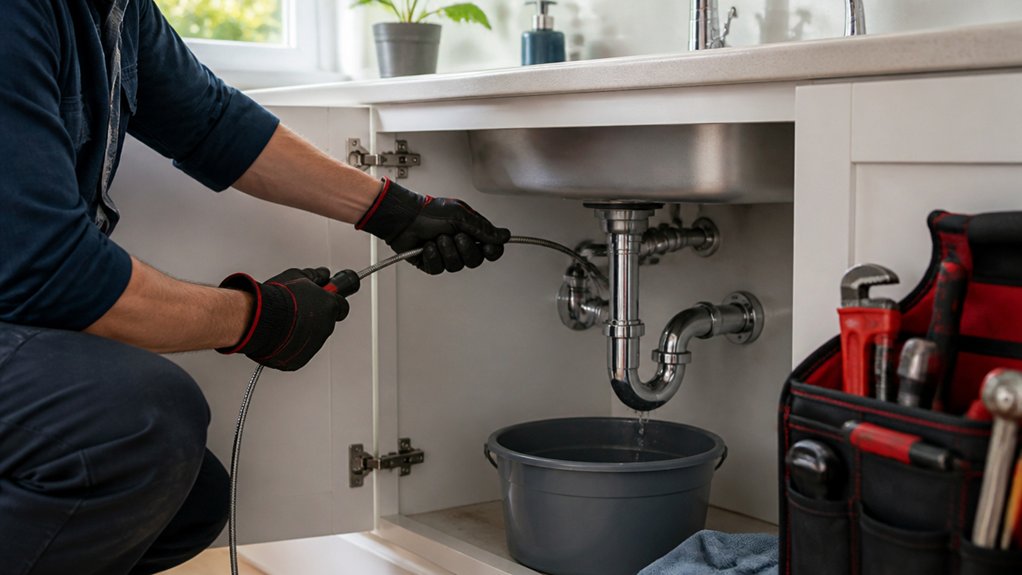
You can prevent most plumbing clogs by keeping grease, coffee grounds, wipes, and food scraps out of your drains.
Run hot water regularly, use drain strainers, and clean sink stoppers before buildup starts.
If you stay consistent with these simple habits, you’ll cut down on backups and keep water moving freely.
Clog Prevention Tips
Clogs are easier to prevent than to clear, so keep grease, food scraps, hair, and wipes out of your drains from the start. You can protect your home by scraping plates into the trash, using sink strainers, and tossing oils into a sealed container.
In kitchens and baths, smart storage keeps drain-safe supplies handy, while ventilation improvement helps reduce damp buildup that traps debris and odors. Stay mindful of what goes down every drain, and your household runs cleaner together.
If you share a space, make the simple rules clear so everyone follows the same habits. Small choices now save you stress, money, and surprise messes later.
Drain Maintenance Habits
Even with good clog prevention, you still need a simple drain-care routine to keep water moving freely. Run hot water after greasy dishes, and wipe pans before washing. Use strainers in sinks and showers, then empty them often. Don’t flush wipes, cotton swabs, or food scraps, because they build trouble fast.
Once a week, flush drains with warm water and a little baking soda, then rinse well. If you notice slow drainage, treat it early with safe drain cleaning methods instead of waiting for a backup.
You’ll protect pipes, cut repair costs, and support water conservation by avoiding wasted water from leaks and overflows. Keep these habits consistent, and your household will stay cleaner, calmer, and better connected to the people who live there.
Catch Electrical Issues Early
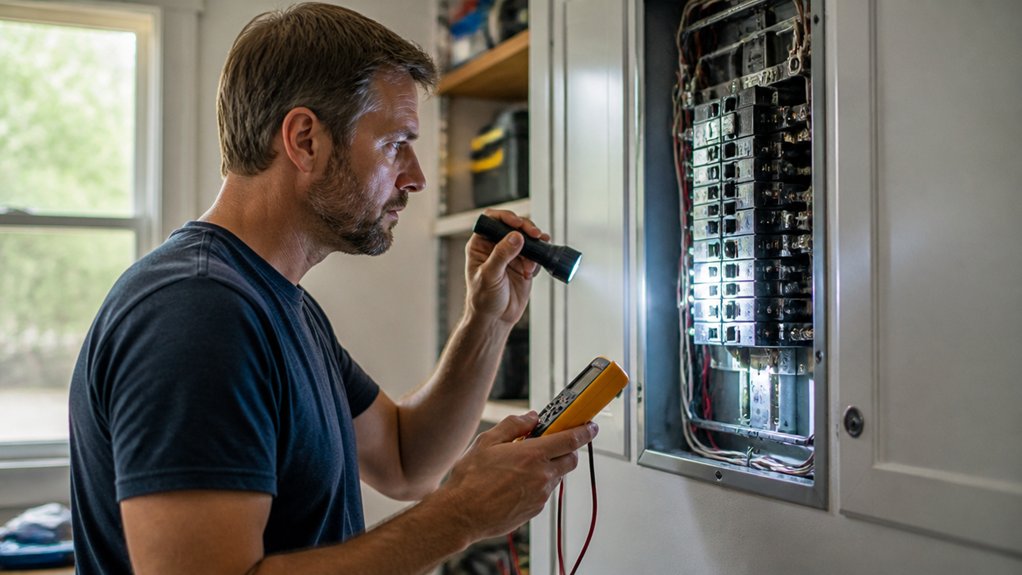
If your lights flicker, breakers trip often, or outlets feel warm, don’t ignore it—small electrical warning signs can turn into bigger problems fast. You can protect your home by checking cords, plugs, and switches for damage, then shutting off power before you inspect anything suspicious.
If you notice buzzing, burning smells, or discolored outlets, call a licensed electrician right away. Good wireless safety habits help too: keep chargers and devices in open air, not under blankets or behind furniture.
Simple circuit troubleshooting starts with labeling panels and noting which room loses power. When you catch issues early, you help your household stay safe, confident, and ready for everyday life together.
Create A Monthly Maintenance Checklist
Create a monthly maintenance checklist so you can tackle the most important tasks before small issues turn into bigger repairs. Walk through each room and note what needs attention, from filters and fixtures to leaks, vents, and safety devices.
Set a regular day each month for these checks so you stay organized and keep your home running smoothly.
Task Priorities
When you map out a monthly maintenance checklist, you can keep small chores from turning into expensive repairs. Rank tasks by safety, cost, and time so you always know what needs attention first. Start with items that protect your home’s systems, then move to jobs that improve comfort and energy efficiency.
This simple order supports better home organization and helps you stay on top of upkeep without feeling overwhelmed. Keep your list visible, set a realistic date each month, and check off tasks as you finish them.
If you live with others, share the checklist so everyone can pitch in. That sense of teamwork makes maintenance feel manageable and keeps your home running with less stress.
Room-by-Room Checks
A room-by-room monthly maintenance checklist keeps you focused and helps you catch issues before they spread. Start in the kitchen: wipe vents, check under sinks, and test appliances.
In bathrooms, look for leaks, mildew, and weak caulking.
In bedrooms and living areas, inspect windows, outlets, and smoke alarms, then dust hidden spots behind decor. While you’re there, review furniture arrangement for blocked vents, tight cords, or wear on flooring.
In closets and storage spaces, sort clutter and check for pests.
As you move through each room, note small repairs and simple decorating ideas that improve function without adding mess.
This steady routine helps your home stay comfortable, safe, and welcoming for everyone who lives there.
Monthly Scheduling
To keep home maintenance manageable, you should build a simple monthly checklist and stick to it. Pick recurring tasks you can finish in one session: test smoke alarms, replace HVAC filters, inspect under sinks, clean vents, and reset any home automation alerts.
Add one indoor and one outdoor item each month so nothing piles up. Use your phone calendar or a shared app to set reminders, and check off each task as you go. That steady rhythm keeps you in control and helps everyone at home share the load.
Review your list at the start of each month, then adjust for seasonal preparations like sealing drafts, clearing gutters, or checking weatherproofing. When you stay consistent, your home stays safer, smoother, and easier to manage.
About the Author


